

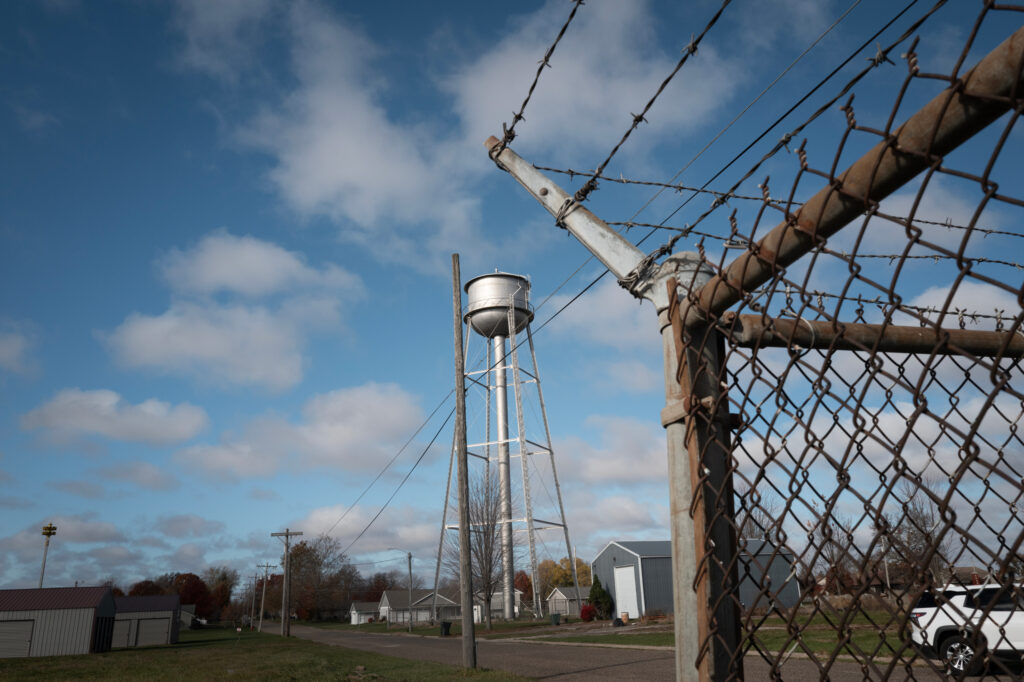
The U.S. Army’s planned detonation of nearly 5 tons of unstable lead azide explosives in southeast Iowa on Wednesday morning will have long-lasting impacts on human health and the environment, experts warn.
Even with mitigation measures in place, such as blast containment walls and water misters, the controlled detonation of bomb-making materials in Middletown will release a toxic dust cloud that the Army projects will travel over 100 miles to the southwest.
There is no safe level of lead, which can damage the brain, nervous system and reproductive health and is particularly harmful to young children. Scientists and health professionals warn that lingering contamination after the detonation, particularly in the air and soil, could pose problems long after the blast for residents in the plume’s path and beyond.
We deliver climate news to your inbox like nobody else. Every day or once a week, our original stories and digest of the web’s top headlines deliver the full story, for free.
Our #1 newsletter delivers the week’s climate and energy news – our original stories and top headlines from around the web.
Dan Gearino’s habit-forming weekly take on how to understand the energy transformation reshaping our world.
A once-a-week digest of the most pressing climate-related news, written by Kate Waxman and released every Tuesday.
Don’t miss a beat. Get a daily email of our original, groundbreaking stories written by our national network of award-winning reporters.
A digest of stories on the inequalities that worsen the impacts of climate change on vulnerable communities.
Source link





