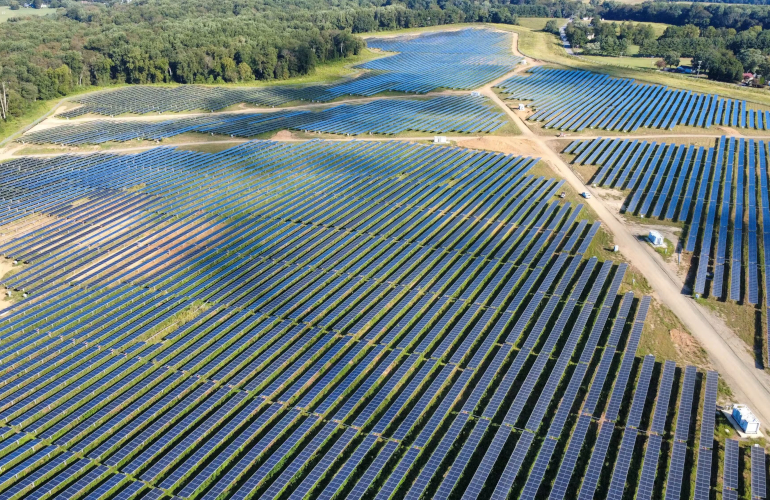
Grid curtailment in India reached 6,825 GWh in the first half of 2026, equivalent to 4.9% of renewable generation and already 1.8 times the total recorded in 2025. Solar accounted for 4,729 GWh of that volume. Oversupply curtailment, the energy limited when generation exceeds demand and systems lack the flexibility to absorb, totaled 2,526 GWh over the same period. The losses are concentrated in Rajasthan and Gujarat, particularly in the Bhadla, Bikaner and Fatehgarh clusters.
Most of that exposure sits with projects on Temporary General Network Access (T-GNA). Introduced in 2022, T-GNA allows projects to begin injecting power before the transmission infrastructure required for firm access is completed. That was sensible when the wait was short, but as those waits have stretched from months to years, it has become a risk that neither developers nor lenders can ignore. Curtailment under T-GNA is not compensated, and injection rights are revised weekly according to available headroom. Reports estimate that around one-third of the 54.8 GW of recently commissioned renewable capacity was on T-GNA as of May 2026, with solar-hour curtailment of 50% to 60%, and with more than 35 GW likely to be affected by fiscal 2027.
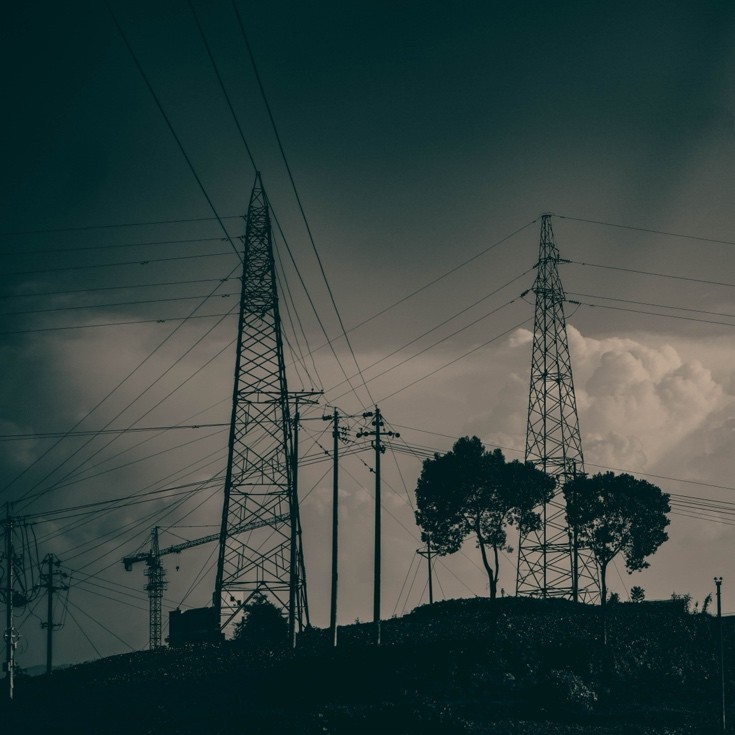
Around 107 GW of renewable projects are scheduled to connect between 2026 and 2031. The key question is whether the transmission infrastructure required to support them arrives on time. According to ICRA, only 12% of competitively bid transmission projects commissioned until March 2026 were on schedule, with slippage ranging from two months to three years and a median delay of more than 10 months.
Source link