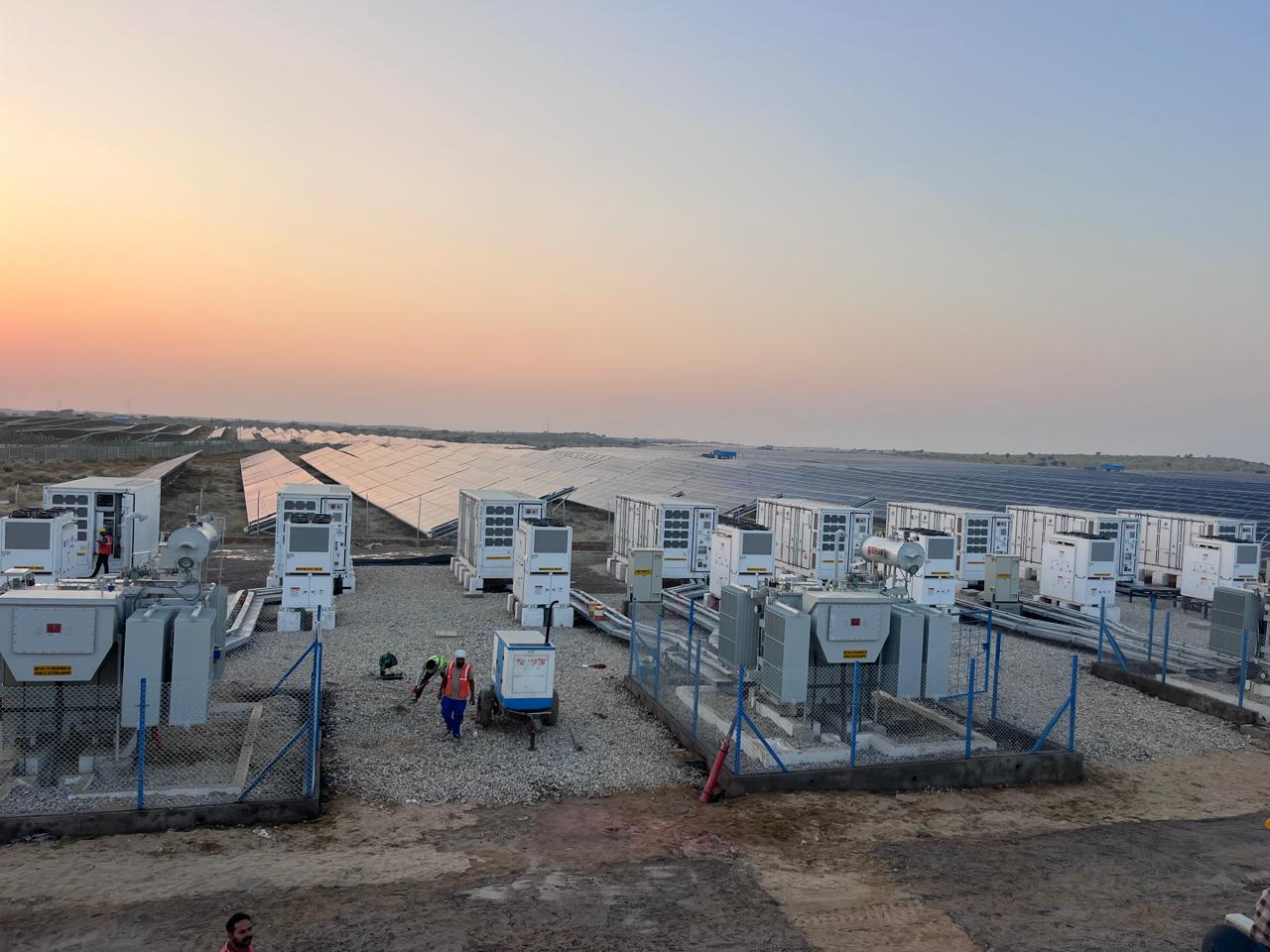
The Indian cabinet, chaired by Prime Minister Narendra Modi, has approved a viability gap funding (VGF) scheme to support the development of grid-scale energy storage systems. The scheme provides INR 14,500 crore ($1.53 billion) in financial support from fiscal 2026-27 to fiscal 2030-31.
VGF is a government funding mechanism designed to support infrastructure projects that are economically beneficial but not commercially viable without financial assistance. Typically provided as a capital grant, it helps bridge funding gaps and attract private investment in public-private partnership (PPP) projects.
The scheme aims to support the development of 92 GWh of energy storage capacity across India, equivalent to 170% of the country’s existing grid-scale energy storage capacity. It is expected to contribute toward India’s projected requirement of 411 GWh of grid-scale energy storage capacity by fiscal 2031-32.
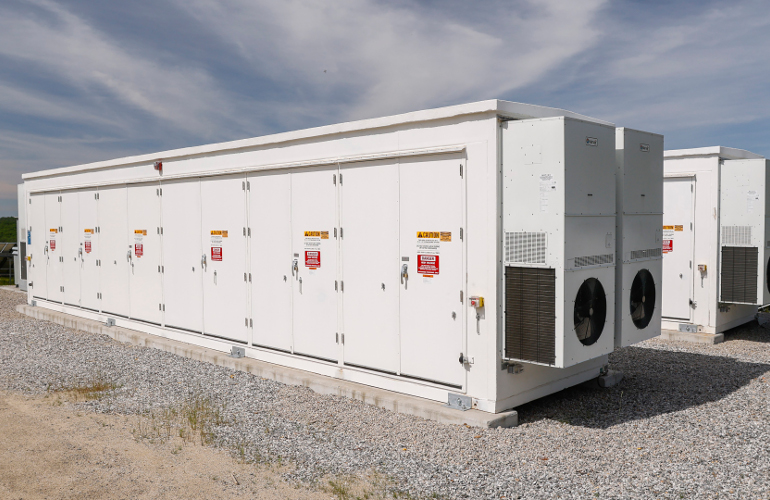
The planned capacity includes 60 GWh of pumped hydro storage, 30 GWh of battery energy storage systems (BESS), and 2 GWh from alternative energy storage technologies. The projects are expected to attract a combined investment of INR 97,600 crore.
Energy storage capacity under the scheme will be allocated through tariff-based competitive bidding. Public and private electricity distribution companies will be eligible for VGF support for BESS and pumped hydro storage projects, while projects involving alternative energy storage technologies will be developed by public and private sector entities.
The scheme also aims to strengthen India’s domestic energy storage manufacturing ecosystem through demand-side financial support and reduce reliance on imported components. To encourage local manufacturing, BESS projects will be subject to a minimum domestic content requirement (DCR) of 40%.
Source link