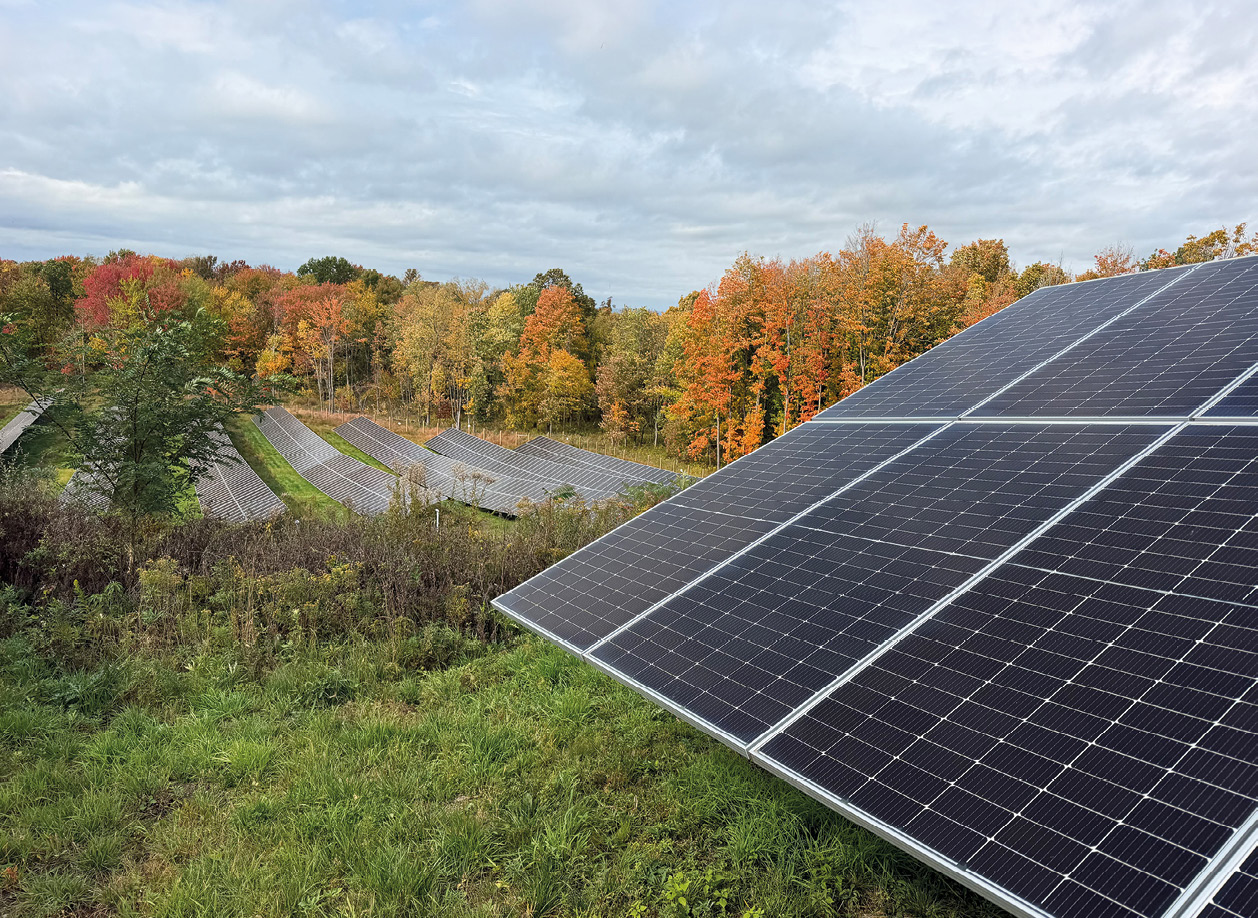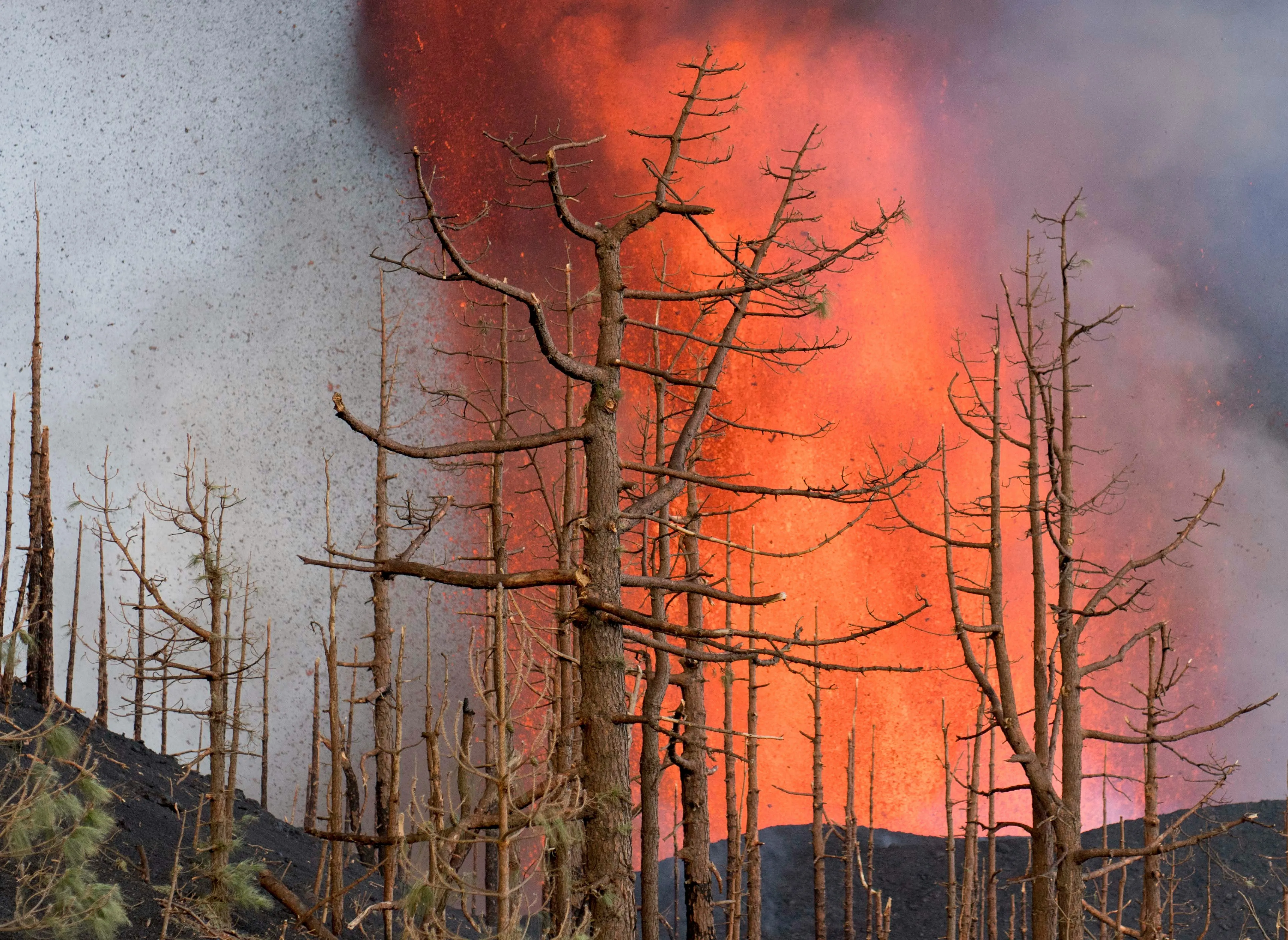
Climate change substantially amplified the scale of the 2025 wildfire season in the Iberian Peninsula, according to a new international assessment published during the COP31 climate conference.
The State of Wildfires 2025–2026 report found that human-driven warming increased the likelihood of extreme fire weather in northwest Iberia by about threefold. The resulting burned area was also approximately three times greater than it would have been without the influence of climate change.
The fires caused 14 deaths and more than 42,000 evacuations. Spain recorded its largest burned area since 2002, while Portugal experienced its biggest single wildfire on record.
The analysis drew on satellite observations of fires, vegetation and weather, combined with climate and fire modelling. Researchers from the Met Office, the European Centre for Medium-Range Weather Forecasts (ECMWF), the University of East Anglia and the UK Centre for Ecology & Hydrology contributed to the report.
Scientists identified a sequence of unusually wet weather, increased vegetation growth and subsequent rapid drying as a key factor behind the Iberian fires. Extreme heat and drought then created conditions for particularly intense burning, a process known as hydroclimatic rebound.
The report warns that comparable European fires could burn around one-third more land over the next 20 years. Under a high-emissions scenario, similar events in northwest Iberia could affect about 78% more area by the end of the century, with some projections indicating increases of up to sevenfold.
Despite severe regional events, global burned area and fire emissions in the 2025–2026 season were the lowest recorded since 2002, largely because of reduced fires in African savannas.
Source link