
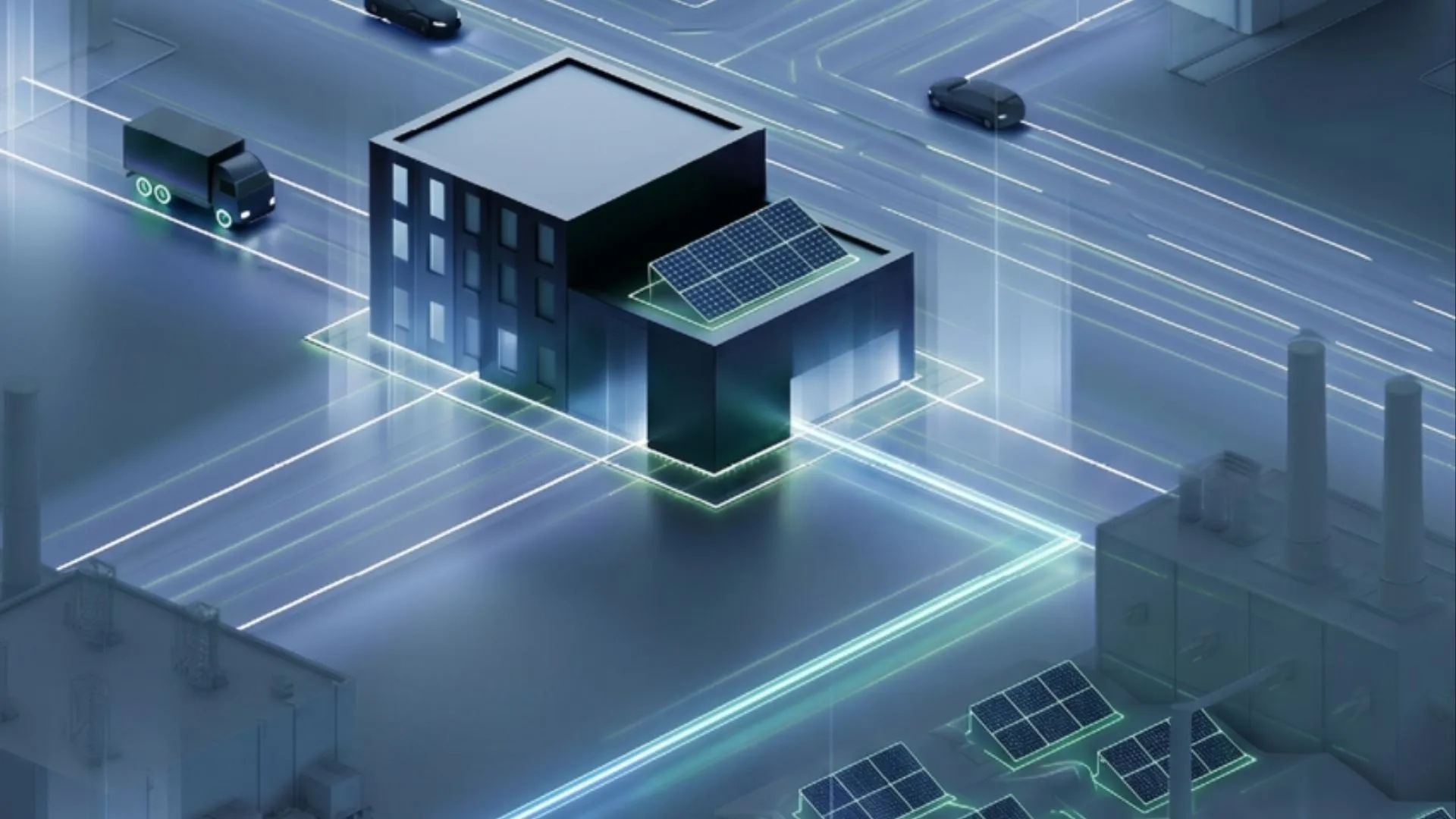
For more than a century, the electricity grid has mostly worked in one direction. Power plants generate electricity, grids deliver it, and homes, factories and businesses consume it. That model is starting to look a little dated.
As solar panels, batteries, electric vehicles and connected devices spread, millions of things that consume electricity can also store it, shift when they use it or, in some cases, send it back. “Everything-to-grid” is the emerging idea of coordinating those resources so they become active parts of the power system rather than simply sitting at the end of the network. The World Economic Forum included the concept among its Top 10 Emerging Technologies of 2026.
The simplest way to think about it is to imagine the grid gaining millions of tiny batteries, generators, and adjustable loads. An electric vehicle plugged into a charger is normally a consumer. But with bidirectional charging, its battery can potentially send electricity back to a building or the grid.
A building with solar panels and batteries can generate, store, and supply electricity. A factory could shift some electricity-intensive processes away from peak-demand periods.
Instead of asking only, “How much electricity do we need?”, an everything-to-grid system also asks, “What can we move, store, or temporarily switch off right now?” That flexibility can be valuable when electricity demand suddenly rises, or renewable generation fluctuates.
Electric vehicles are one of the most obvious pieces of this puzzle because their batteries can store substantial amounts of electricity while the vehicles are parked for much of the day.
Source link





