This article has been reviewed according to Science X's editorial process and policies. Editors have highlighted the following attributes while ensuring the content's credibility:
The arrival of cooler weather following a summer of heat waves is a timely reminder that the U.K. electricity system must be resilient to the effects of temperature extremes at both ends of the thermometer.
The Royal Meteorological Society has released a new report that highlights how recent weather conditions have influenced electricity generation, demand and the infrastructure that connects them.
Authored by experts from the society, the Met Office and multiple U.K. universities, the State of the Climate for the UK Energy Sector Report 2025-26 shows that more energy is being provided by weather-dependent renewable sources. But high and low temperatures will continue to put the energy grid's capacity and infrastructure to the test.
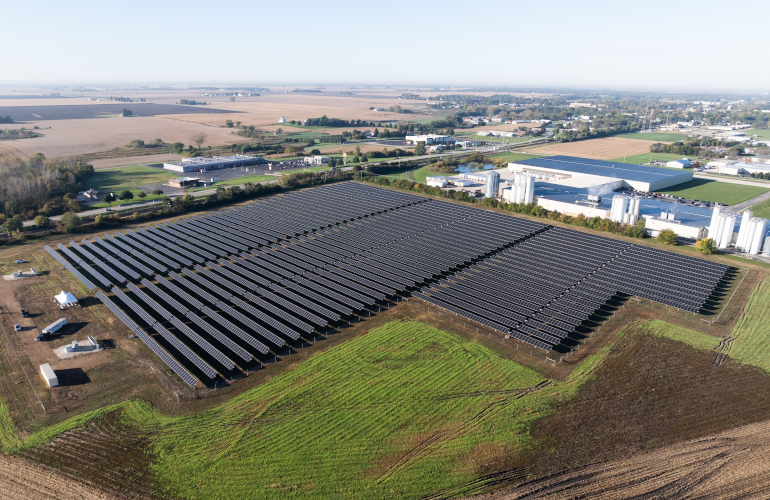
Data from the National Energy System Operator (Neso) show that renewable energy formed a higher percentage of overall energy generated in the U.K. over the reporting period (April 2025–March 2026) than in any other year on record. The proportion coming from the combination of solar and wind increased, providing more than 38% of the nation's electricity. The proportion of gas-powered generation decreased to 25%.
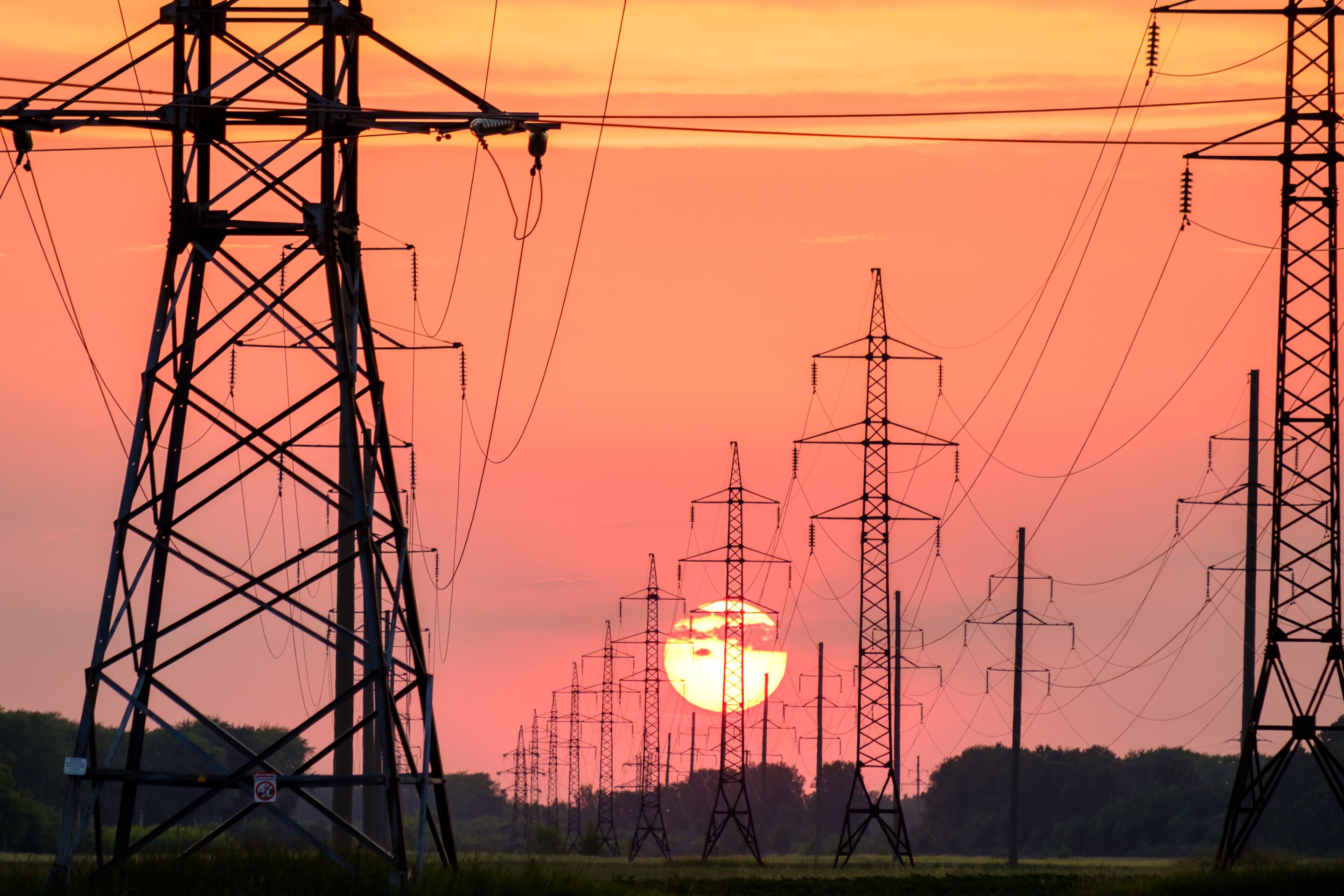
However, the report highlights how extreme weather tests the resilience of the grid. The conditions that lead to very high and low temperatures create different challenges through increasing electricity demand, limiting generation and damaging network infrastructure. 's energy network is having to adapt to cope with increasingly extreme temperatures.
Source link