

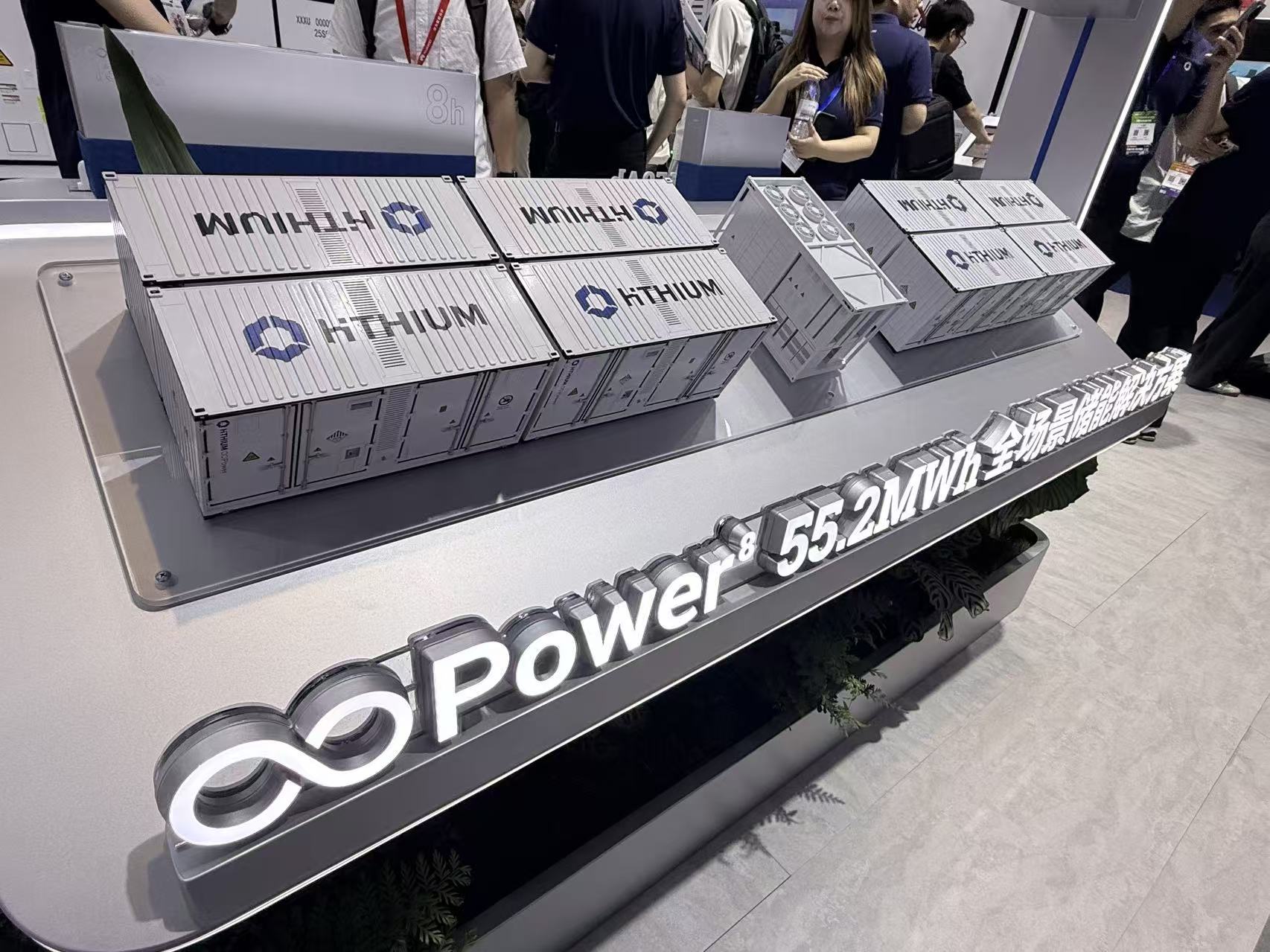
ESS News: Your company has progressed rapidly in sodium-ion cells and energy storage systems. Is this the major step the technology needed, or do you expect advances of this significance to continue at a similar pace?
Leb Lan, senior product manager, Hithium: We see this launch as an important step in moving sodium-ion energy storage from technology validation toward large-scale deployment. As materials, manufacturing processes and the supply chain continue to mature, we expect further improvements in both performance and economics.
The motivation goes beyond introducing another battery chemistry. As global energy storage deployment expands, the industry is paying closer attention to the concentration of lithium resources, cyclical lithium carbonate prices, and the availability and predictability of materials over the 20- to 30-year life of energy infrastructure.
Sodium is abundant and widely distributed. This can reduce dependence on concentrated critical resources. Sodium-ion technology also has strong potential for long cycle life, which can reduce replacement and augmentation requirements over the project lifetime and lower the cost of delivered energy. This supports energy equity by making reliable storage more accessible and affordable across different markets.
Further progress will come from coordinated improvements in materials, cells, manufacturing and system design. We expect continued gains in energy density, manufacturing consistency, system efficiency and supply-chain scale. However, the most important measure of progress is not the size of each technology announcement. The real measure of progress is our ability to translate laboratory performance into energy storage products that can be manufactured consistently, validated thoroughly and deployed at a bankable scale.
Source link





