
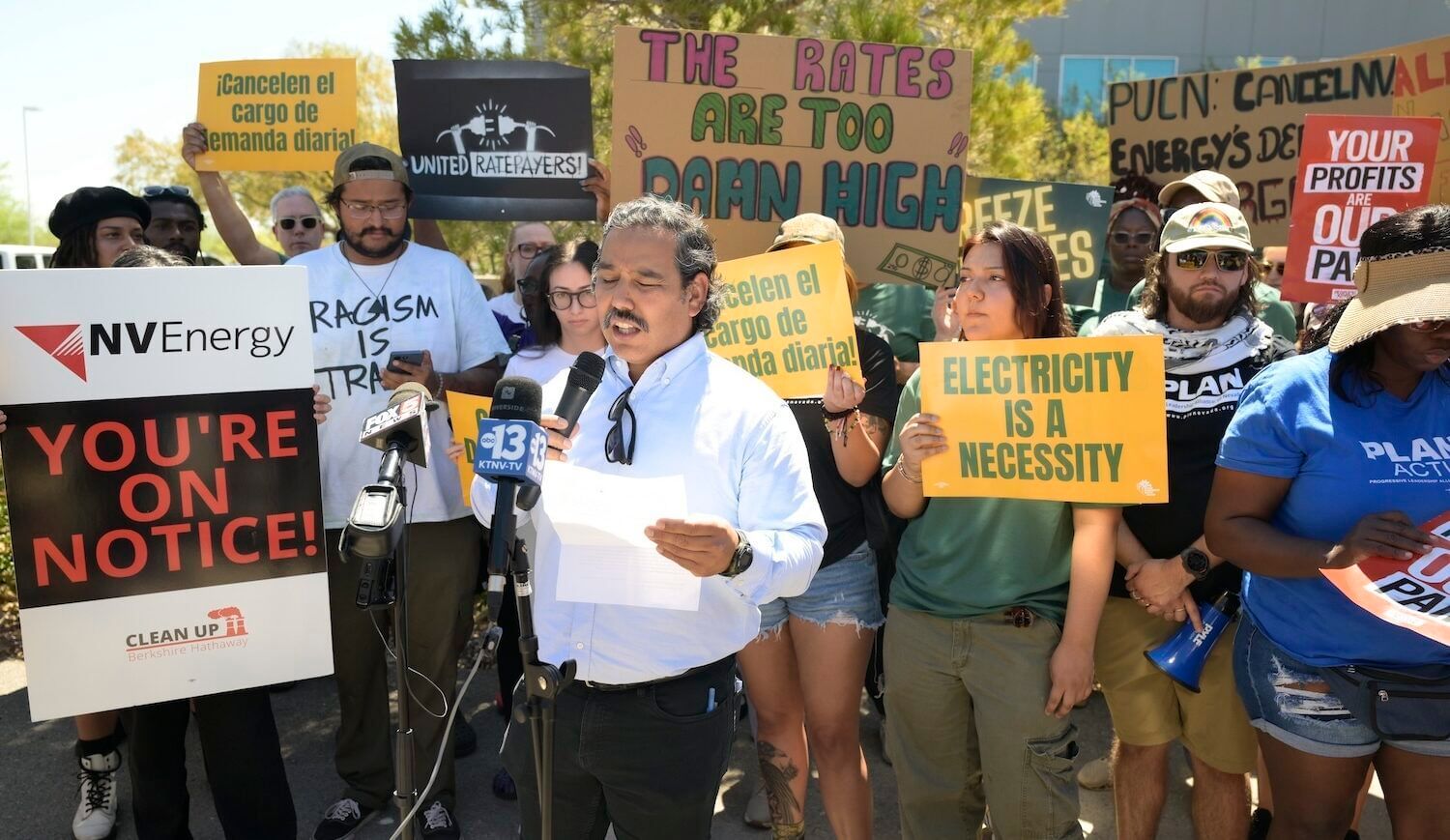
Election season is heating up, and while fewer candidates are mentioning climate change, everyone seems to be talking about energy affordability.
The topic defined the contests for governor in Virginia and New Jersey, and the usually sleepy election for utility regulators in Georgia. In all those cases, Democrats won.
Since then, the cost of energy has only become more salient. Oil prices are up around 60% since the start of the year, due to disruptions to the flow of Middle Eastern oil stemming from the war with Iran. Diesel prices have risen even further.
Americans are also seeing record-high power bills. Utilities so far this year have asked for more than $18 billion in rate increases, according to a survey by the consumer advocacy group PowerLines, setting up 2026 to potentially beat 2025 for the most utility rate requests on record.
Political candidates this fall have taken note and started talking more about energy costs. But often, they frame the issue in politically expedient terms — blaming the opposing party or data centers — that fail to grapple with the root causes, which are complex and nuanced. To help you navigate election-season talking points, here’s a rundown of the causes of — and some promising solutions to — the energy affordability crisis.
To hear some critics tell it, skyrocketing energy bills begin and end with the man in the White House. The problem with this account is that energy costs have been rising steadily for years in response to structural problems unrelated to the executive branch.
Source link





