

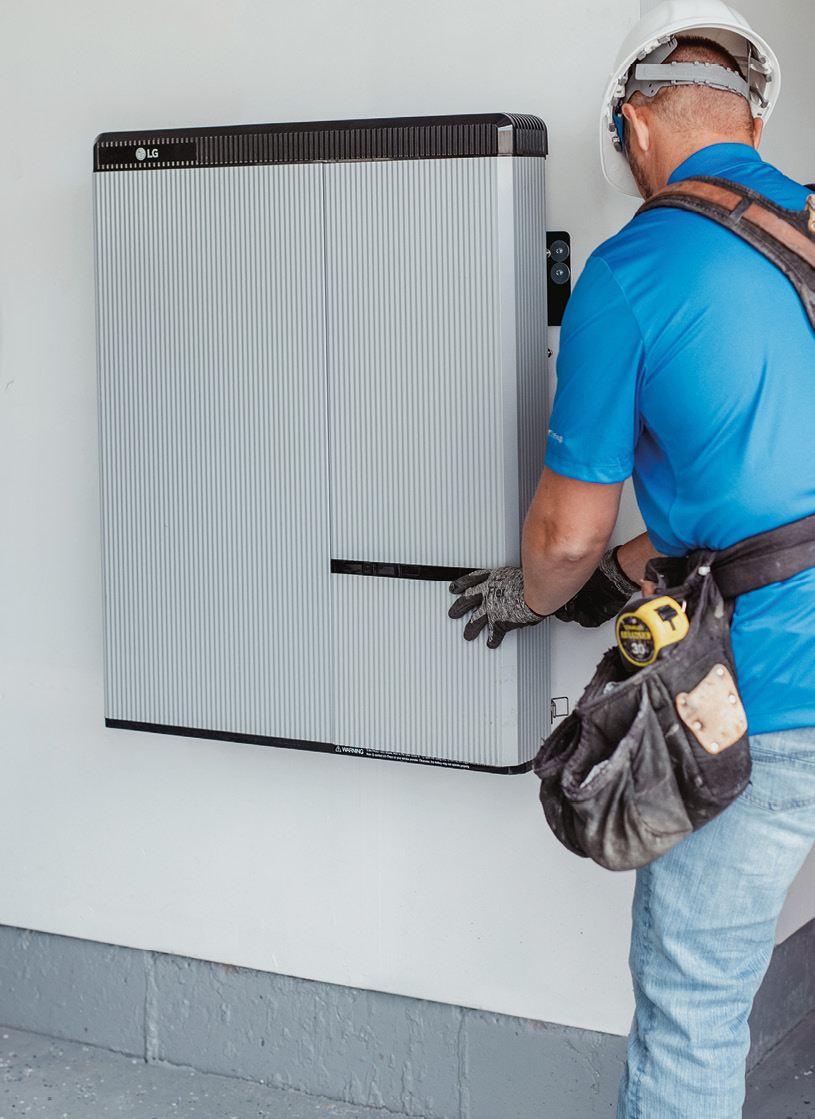
California built one of the biggest battery-based VPPs in the world with the Demand Side Grid Support (DSGS) program that began in 2023. More than 600 MW of battery capacity was enrolled in the program in 2026, most of which is aggregated from residential customers who each received an annual check for a couple of hundred dollars.
The downside of the program was that it relied on appropriations from the state budget and the legislature never gave it long-term funding. Project developers couldn’t present the value to customers when selling a system because they had no certainty the program would be there for more than a year. It was good value for the state – every dollar put in from the state budget resulted in $1.20 to $2 in rate reduction – but budget times are tight and funding anything is a struggle. The program is not funded for next year, though a narrower emergency response program will continue.
Another shortcoming of the DSGS was that it didn’t incorporate the value of avoiding utility spending on transmission and distribution. As we electrify everything, if we rely solely on the traditional approach of building bigger substations and more wires to faraway power sources, California’s already high rates will soar even higher.
Battery aggregators are capable of operating fleets differently behind each substation depending on the timing of local peak demand. Compensating us to do that can be cheaper than substation upgrades and line reconductoring.
In 2025, Governor Gavin Newsom vetoed all three of the bills the legislature passed on VPPs.
Source link





