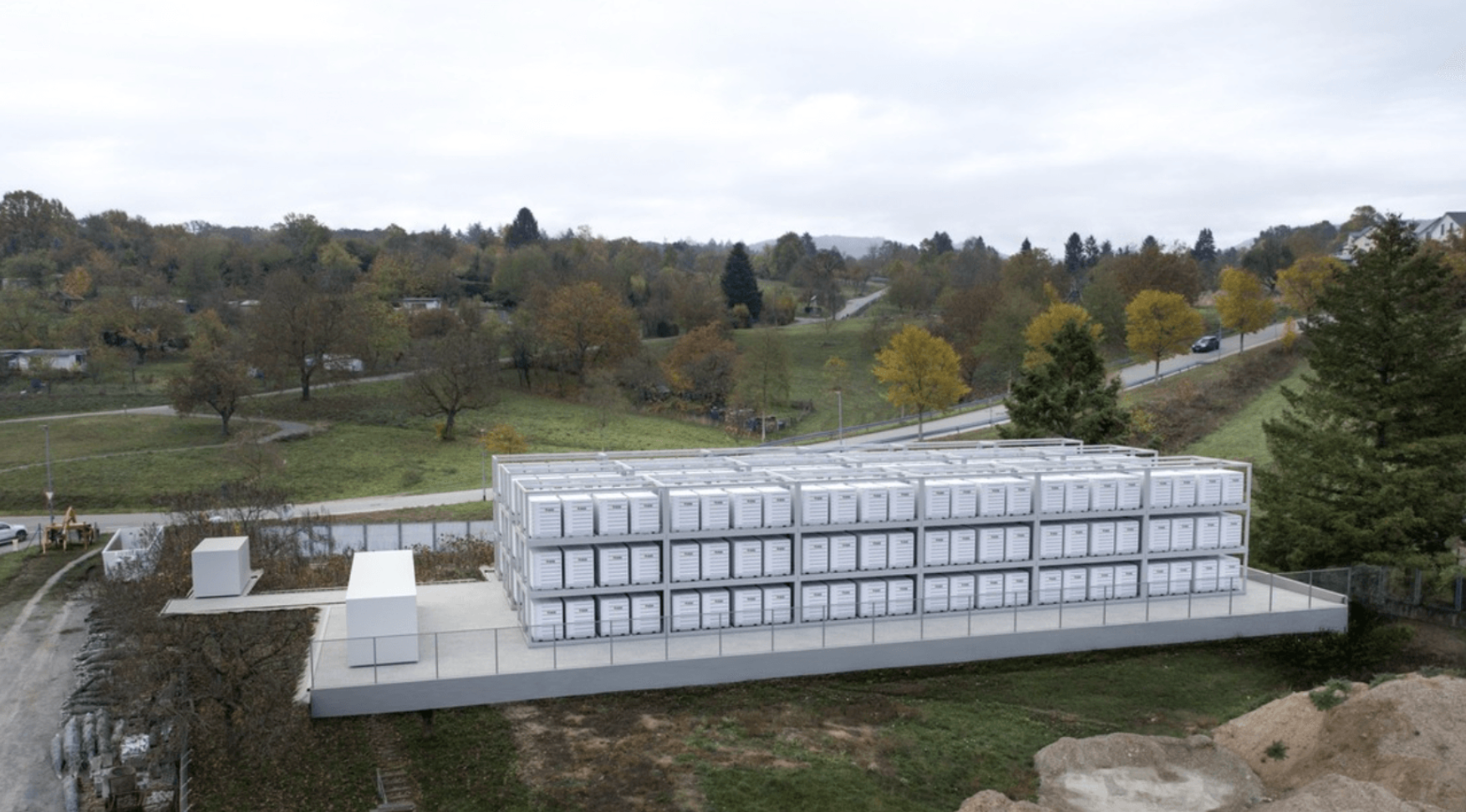
Stadtwerke Gaggenau, the municipal utility of southwest German town Gaggenau, and German energy infrastructure company Capac AG are planning a stackable, large-scale battery energy storage system (BESS) based on zinc-bromide technology.
Construction of the 7.5 MW/30 MWh system, which will be built on the former site of the utility’s liquefied gas plant, is set to begin next year. Capac is acting as general contractor, handling the technical planning, procurement, system integration and construction up to commissioning, which is planned for 2028.
Benjamin Henecka, CEO of Capac Energy, told ESS News the main benefit of zinc-bromine technology is the combination of a non-flammable, water-based electrolyte, a long expected operating life and low projected capacity degradation.
“The zinc-bromine battery technology is designed for a 25-year operating life with capacity degradation of around 3.6% over that period,” Henecka explained. “These characteristics make it an attractive option for utilities taking a long-term infrastructure investment approach. The safety case is also critical as there is no thermal runaway and the water-based electrolyte is non-flammable.”
Stadtwerke Gaggenau and investment company JP Holding, parent company of Capac, are jointly investing €15.2 million ($16.8 million) in the project. Henecka said that from the companies’ perspective, the economic question is not simply which battery has the lowest purchase price but also which system delivers the required storage service most economically over the full investment period.
“A higher initial investment can be justified by low capacity degradation and a reduced need for subsequent capacity additions or replacements,” he explained. “That comparison must also account for auxiliary consumption, maintenance and financing costs under the same operating profile.
Source link