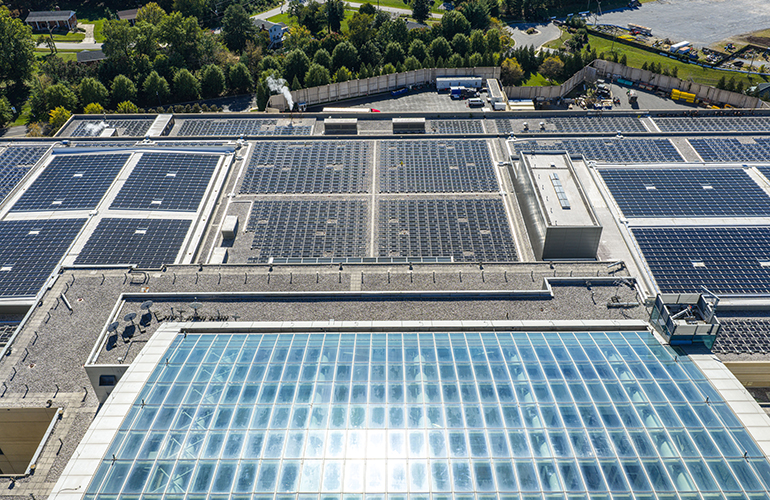
Using refuse-derived fuel (RDF) to produce cement could help reduce the carbon footprint of the industry, which relies heavily on fossil fuels.
The researchers said clearer standards would be essential to support wider and more responsible use of waste-derived fuels.
Using refuse-derived fuel (RDF) to produce cement could help reduce the carbon footprint of the industry, which relies heavily on fossil fuels.
Cement manufacturing accounts for an estimated 8% of global carbon dioxide emissions, largely because key ingredients must be fired in massive kilns at extreme temperatures.
RDF is made from processed non-recyclable waste. Cement kilns can use these fuels alongside traditional fuels in a process called co-processing.
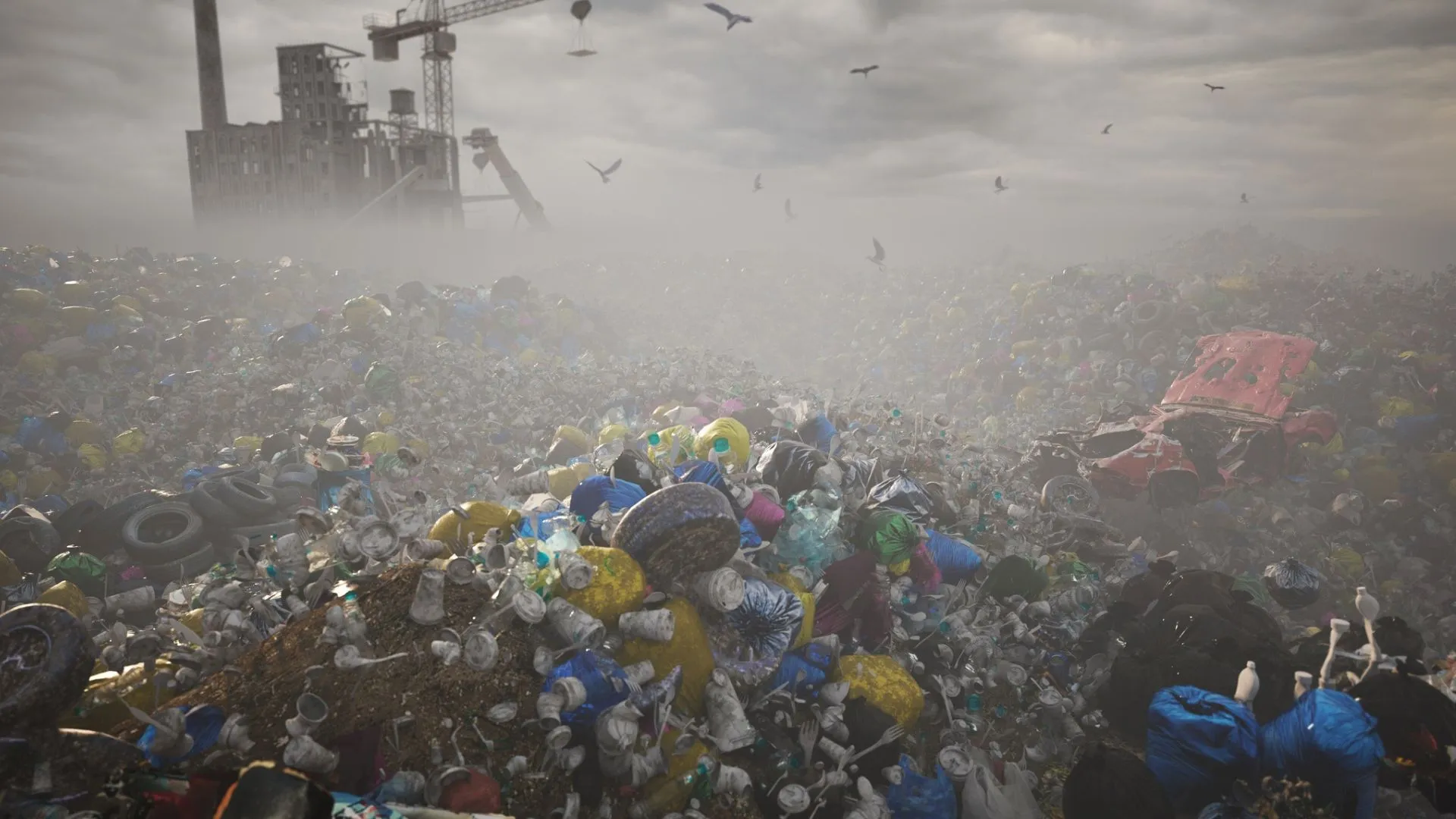
Researchers at the University of Adelaide studied whether fuel made from non-recyclable waste could make cement production cleaner and reduce waste sent to landfills.
They conducted a literature review of more than 200 research articles published between 1991 and July 2025.
The findings showed growing interest in RDF as a way to reduce landfill waste and cut fossil fuel use in cement production.
Based on her analysis, Geethmi Thisakya, a PhD candidate in the School of Civil Engineering and Construction at the university, said that waste management could be linked with industrial decarbonization.
”Previous research has highlighted the potential of refuse-derived fuel to turn suitable waste materials into a useful resource rather than sending them to landfill,” she said.
For RDF to help cut carbon emissions , it will need consistent quality, clear regulations, and stronger evidence of its environmental and economic impacts, the study said.
Source link