
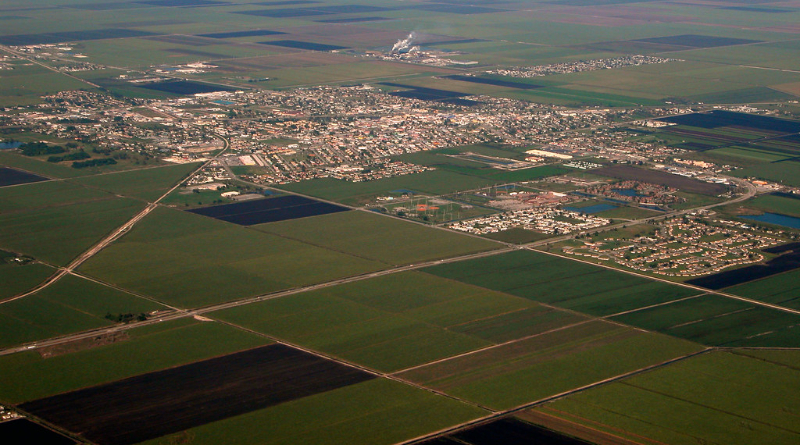
As the supervisor of dune plantings at our coastal Florida community, I was keenly aware of the rare February 2026 freeze. Plants that generally resist drought, wind, and salt were burnt by the 26°F temperatures. Luckily, most of our east coast plants survived and have returned to robust health after a series of late summer rains.
But many Florida farmers weren’t so lucky. The state has 44,000 farms on 9.7 million acres, which comprise about 30 percent of the state’s total land. As reported by Sara Pepitone on Inside Climate News, Florida farmers experienced estimated losses of $3.2 billion in 2026. Add to that number the impending consequences of an extended drought, increased wildfire activity, and a warming climate; the threats to local agriculture are palatable.
Not all of Florida’s farmers are succumbing to what might seem inevitable, though. Some growers have decided that regenerative agriculture may be at least a partial solution to their pressing dilemmas.
Renew. Repair. Reinvigorate. Restore. Revive. Each of these verbs helps us to understand what regenerative agriculture practices mean.
Soil is not static: its composition is changeable, based on the weather, which organisms constitute it, which plants grow in it, and other variables. It’s a complex living ecosystem teeming with microbes, nutrients, and other organisms. Healthy soil contains everything necessary for plants to thrive.
Healthy soils are the foundation for agricultural development, food security, ecosystem functions, biodiversity, and resilience to climate change. Why is this?
By building organic matter into soils, regenerative agriculture produces stronger yields and nutrient-rich crops.
Source link