A national bill proposing the legalization of plug-in solar was proposed in the House of Representatives on Oct. 19.
Since late 2025, legislative bodies have been passing bills permitting the consumer-level use of these portable solar generation devices within particular states. HR 10851, also known as the “Socket Full of Sunshine Act,” is the first bill to be drafted supporting nationwide use of plug-in solar products.
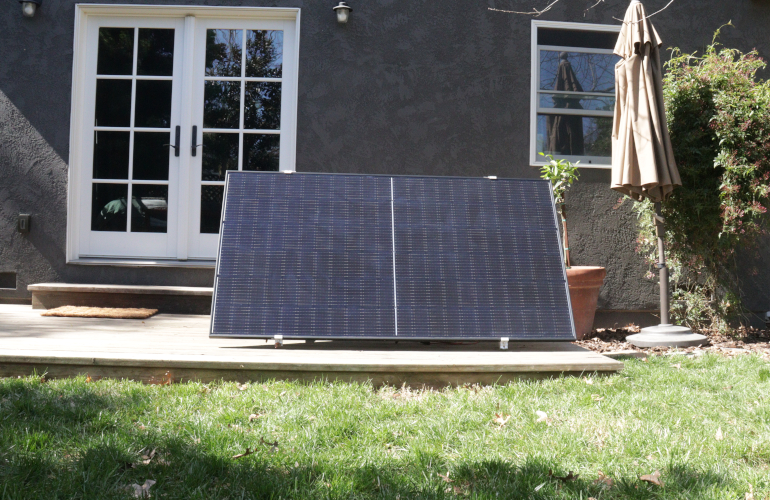
Unlike interconnected solar projects, which require permits for construction, plug-in solar setups use one or more solar modules connected to a microinverter that literally plugs into an AC outlet. Rep. Rob Menendez, a Democrat congressman from New Jersey, authored the bill.
“Families are getting squeezed by electric bills that keep going up,” Menendez said in a press release. “Plug-in solar is a simple, affordable way to cut those bills, but outdated rules and unnecessary fees are standing in the way.”
Socket Full of Sunshine proposes removing any interconnection barriers for portable solar systems; and system owners would not be required to obtain utility approval to use them or incur any insurance or operating fees. If enacted, this would apply to plug-in solar systems with a power rating of 1.2 kW or lower.
This legislation would amend a section of the Public Utility Regulatory Policies Act of 1978 (PURPA), a historic bill that made utilties reponsible for purchasing energy from alternative sources, like wind and solar. Through it, Socket Full of Sunshine would require state utility regulators to initiate preparations for plug-in solar within one year of passage, and establish a standard for it within two years.
Source link