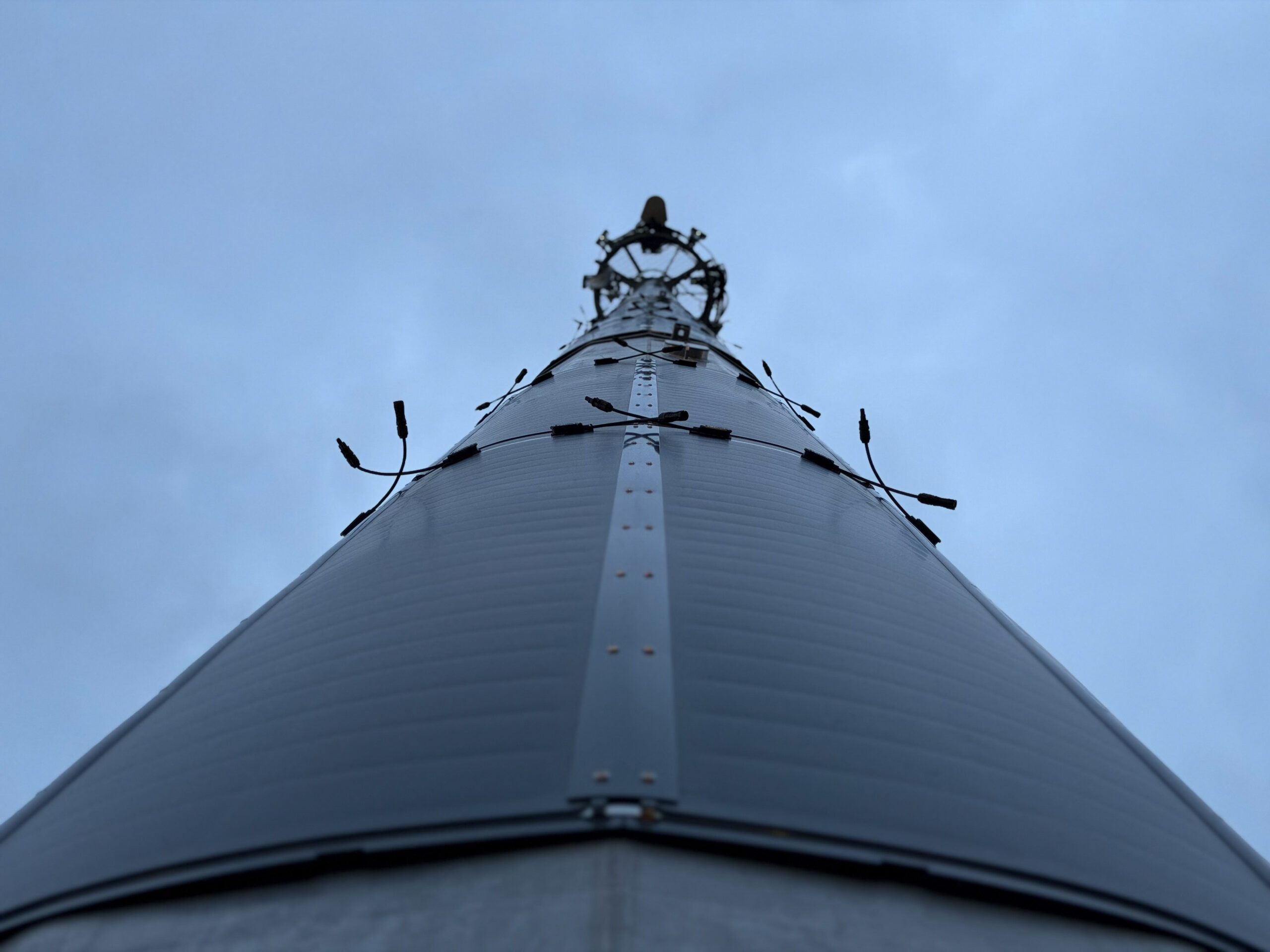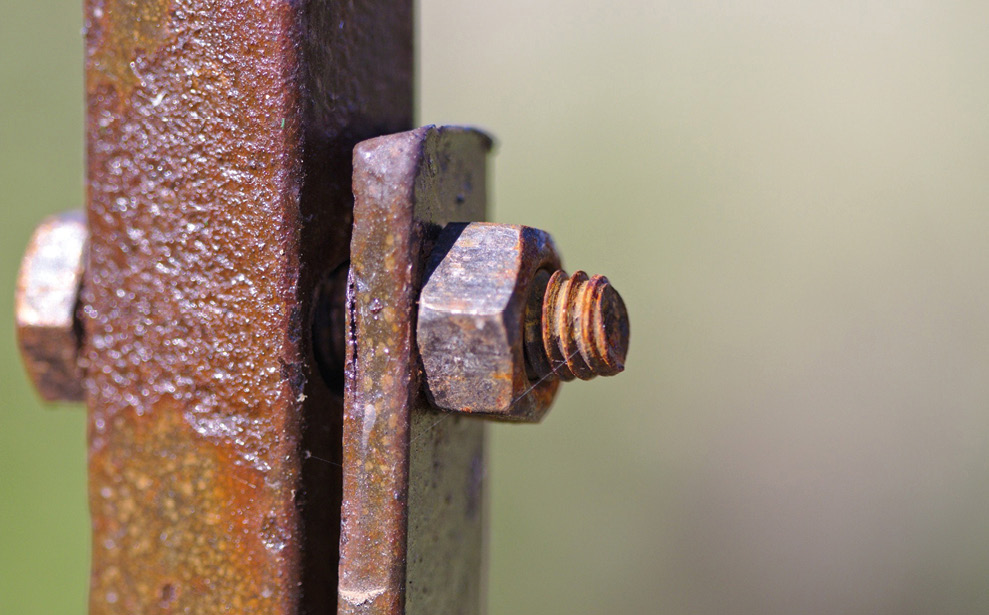
The owner of a solar park on Portugal’s Atlantic coast was walking his dog when he noticed something. His solar park was only two years old, but there were rusting bolts.
The project was built by a German EPC company with a workmanship guarantee. The owner called the EPC to invoke the warranty, a quality manager inspected the site, and issues were found.
This is the go-to anecdote for Alexander Gebert, sales director at German distributor and wholesaler Tobsteel, who is passionate when selling the importance of quality fasteners.
In the case of the rusty coastal solar plant, the EPC chose hot-dip galvanized fasteners at the site. Workers installing the racking had scratched the galvanized coating during the installation and, as Gebert explained, once the coating was scratched, the corrosion protection was finished.
“The bolts, they will rust. They won’t stop. For the moment there is nothing, but what will we have in five or six years? If the wind from the sea will come, the panels will fly away,” Gebert said. Not good. On the Portuguese coast, the EPC sent seven men to change all the fasteners. But they used the wrong bolts. Expensive.
“He gave these invoices to the insurance and three or four weeks later he called saying ‘I have nothing in my account, please send me the money.’ But the insurance rejected the case and justified: ‘We can’t do that, it’s negligent what you did’.”
Since 2015, DIN EN 1993-1-4:2015-10/Eurocode 3 has been the relevant standard in Europe for selecting materials.
Source link