

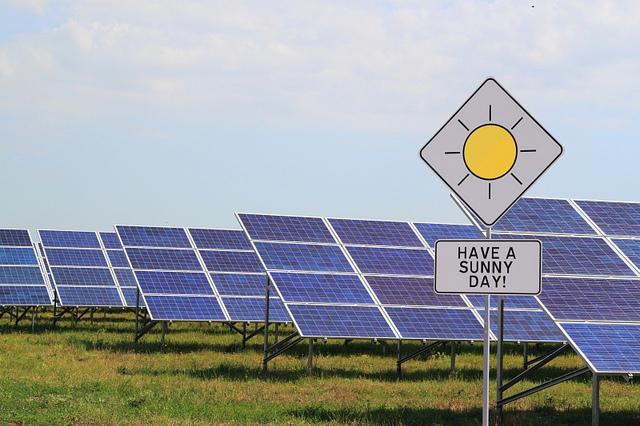
Europe’s solar fleet is delivering. The rules, grids, and investment framework around it are struggling to keep up.
SolarPower Europe’s September mid-year assessment describes a familiar contradiction: solar is contributing more to energy security and affordability, yet weakening policy support, grid constraints, and insufficient flexibility threaten continued growth.
In its September newsletter, the association reported that solar became Europe’s largest electricity source in June and estimated that it avoided more than €30 billion in gas imports for power generation over six months of the Middle East conflict. At that point, it forecast a slight contraction in EU solar deployment in 2026.
Europe’s ambition to become an electrostate is stuck in a State of Confusion and will remain unconvincing unless its rules and networks catch up. The challenge is no longer simply building solar. It is connecting it, using it, and making participation easier.
Preliminary results showed that a 50 MW solar auction attracted three bids totalling 38.99 MW. A separate 100 MW solar-plus-storage auction attracted 26 bids totalling 385.9 MW.
The terms differed: price ceilings were €0.08/kWh for standalone solar and €0.12/kWh for solar-plus-storage. These were bids, not completed projects. The results demonstrate stronger participation in the hybrid auction—not proof that adding batteries is inherently more profitable.
Physical projects show the transition too. A September report described Romania’s 918 MWh battery under construction and a separate 120 MWh system commissioned at Teiuș. Bulgaria’s Devnya solar plant expanded from 5 MWp to 65 MWp, adding 60 MW/165 MWh of storage.
Source link





