This article has been reviewed according to Science X's editorial process and policies. Editors have highlighted the following attributes while ensuring the content's credibility:
A new class of iron-based catalysts could bring scientists a step closer to developing cheaper and more sustainable rechargeable batteries that use carbon dioxide (CO₂), according to research from the University of Surrey.
Lithium-CO₂ batteries are being explored as a promising alternative to today's lithium-ion batteries because, in theory, they could store substantially more energy for the same weight. However, the technology is still in the early stages of development, with commercial lithium-ion batteries currently outperforming them in areas such as reliability and lifespan.
One of the biggest challenges with lithium-CO₂ batteries is finding catalysts—materials that speed up chemical reactions—that can help them charge and discharge efficiently. Many of the most effective catalysts rely on expensive and scarce precious metals such as platinum, ruthenium and iridium, raising concerns about their cost and suitability for large-scale production.
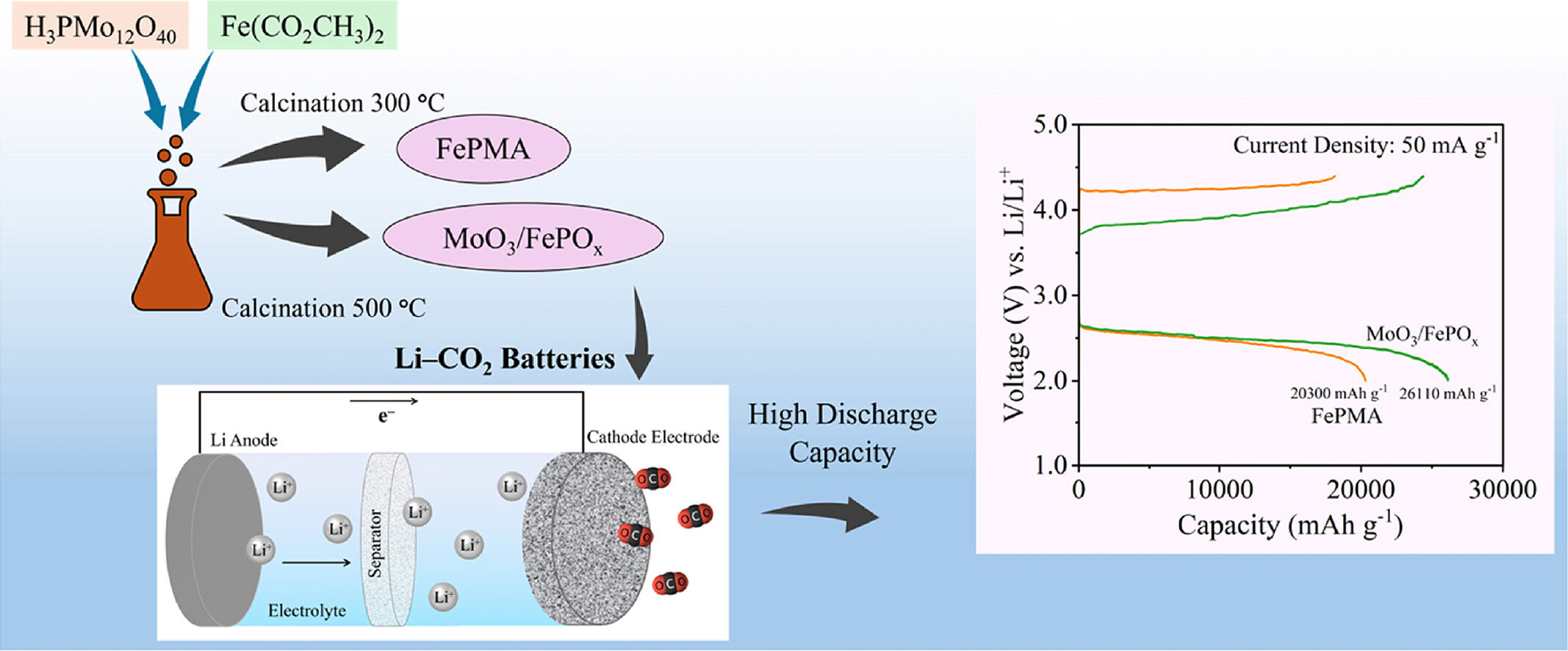
In a study published in the Journal of Power Sources, Surrey researchers have shown that catalysts made using more widely available metals, including iron and molybdenum, can perform in a way that is comparable to, and in some measures better than, previously reported catalysts containing expensive precious metals.
In tests, the team's best-performing catalyst delivered nearly four times the discharge capacity of an unmodified reference material, meaning it could release substantially more electrical charge. It also recovered 93% of the electrical charge during recharging and completed 92 charge-discharge cycles in the laboratory, where the amount of charge released during each cycle was deliberately limited.
Source link