This article has been reviewed according to Science X's editorial process and policies. Editors have highlighted the following attributes while ensuring the content's credibility:
Space is the primary challenge when implementing improvements offshore. For some platforms, electrification has served as a solution to secure clean electric power while simultaneously reducing emissions. However, this approach is not feasible for every platform.
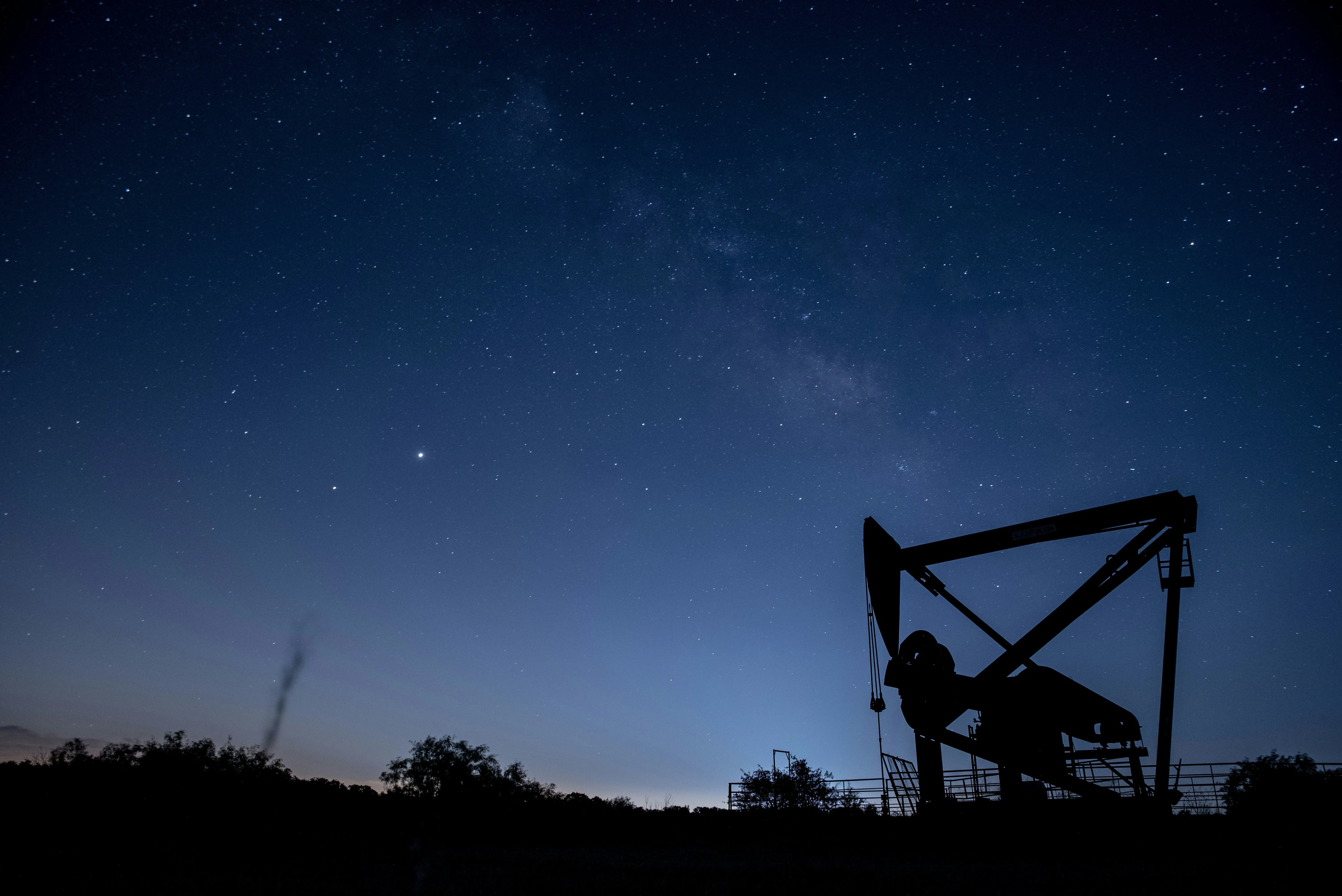
Approximately 250 gas turbines are installed on Norwegian platforms, providing electricity for offshore oil and gas production. Some gas turbines have been replaced by power supplied from the mainland, but the availability of power and the distance from shore influence the choice of solution. Beyond generating electricity for operations and providing mechanical power for equipment like export compressors, these gas turbines also release vast amounts of heat—along with CO₂—directly into the atmosphere via their exhaust.
On land, this issue was resolved long ago. Gas-fired power plants can capture exhaust heat, use it to generate steam and then employ that steam to drive an additional turbine. Known as a "bottoming cycle," this process yields significantly more electricity from the same amount of fuel consumed.
On offshore platforms, implementing a similar system has been virtually impossible, as the necessary equipment has simply been too large and heavy to fit on board. Some of the older and larger platforms were able to adopt this type of combined-cycle power generation, installing bottoming cycles as long as a quarter of a century ago. However, platforms that still operate using gas turbines are now so cramped that there is no room to install such traditional bottoming cycles.
Source link