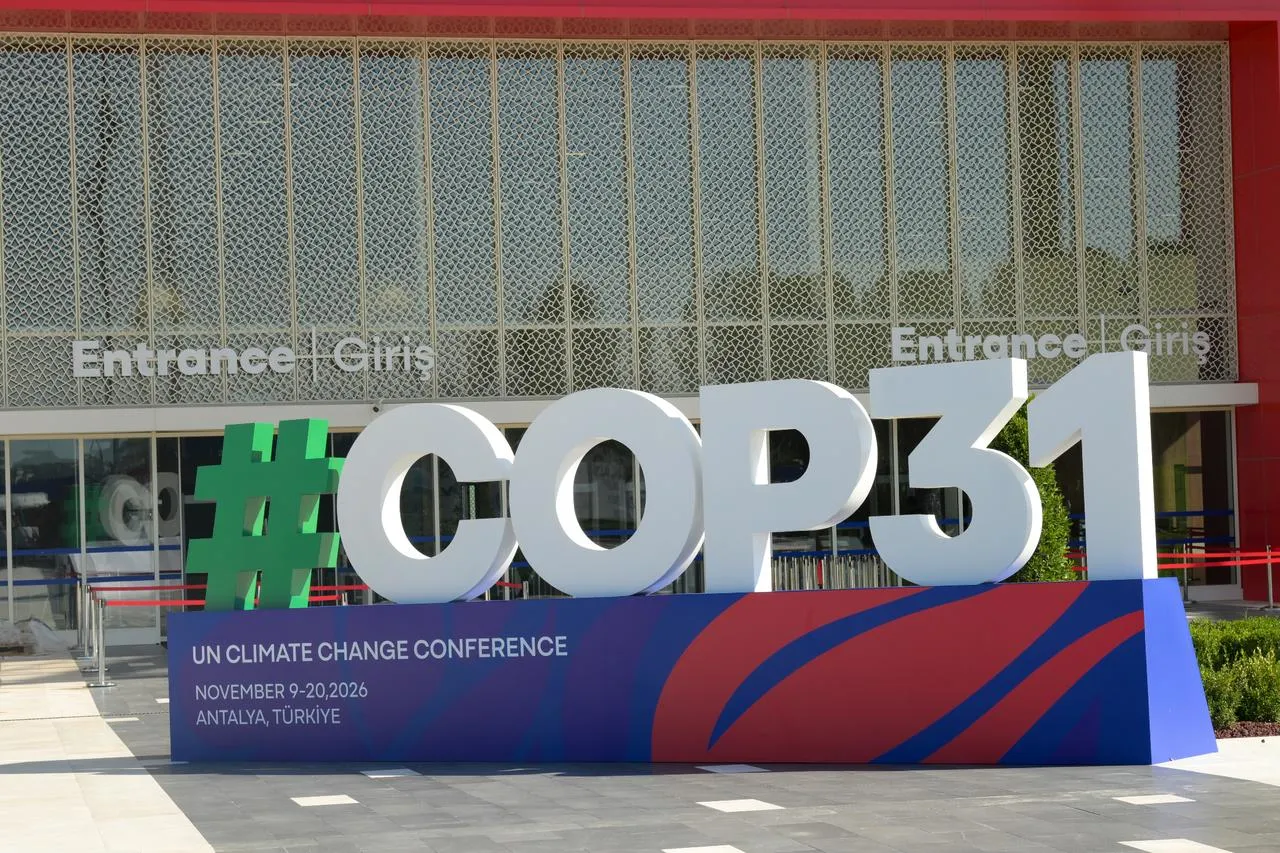
The energy transition is attracting billions in new commitments at COP31, but the investment flowing into electrification is unfolding alongside continued expansion of the conventional energy industry. The contrast is becoming one of the defining business stories of the summit.
Türkiye’s COP31 presidency is rallying governments, companies and financial institutions behind a global electrification target: raising electricity’s share of final energy consumption from around 23% today to 35% by 2035. The initiative aims to accelerate the electrification of transport, buildings and industry, while reducing dependence on imported fossil fuels.
The private-sector response is substantial. More than 180 companies, including Volvo, Uber, IKEA and Siemens, representing $1.69 trillion in annual revenues, have backed faster electrification. The Utilities for Net Zero Alliance has increased its annual investment commitment in grids, renewables and storage from $148 billion to $156 billion. Meanwhile, a new international finance coalition, with the World Bank and African Development Bank as inaugural co-chairs, aims to unlock capital for developing economies.
The push comes against a changing emissions backdrop. Global fossil-fuel CO2 emissions are forecast to edge down in 2026, although the projected decline does not yet signal a sustained reversal in global emissions. Whether electrification can deliver lasting reductions will depend heavily on how quickly electricity generation itself becomes cleaner.
That question is particularly relevant as Abu Dhabi’s ADIPEC concluded last week with more than 50,000 agreements worth an estimated $67 billion. The deals highlight the scale of investment still moving through the broader energy industry, including conventional energy infrastructure and the role carbon capture will need to play.
Source link