During a panel at the Nordic Pavilion at COP31 in Antalya, Türkiye, key representatives, including Winston Beck of Heidelberg Materials, Jared Daniels of the Global CCS Institute, and energy and climate officials from Norway and Brazil, emphasized that cross-value-chain partnerships and long-term state commitment are critical to scaling carbon capture and storage (CCS).
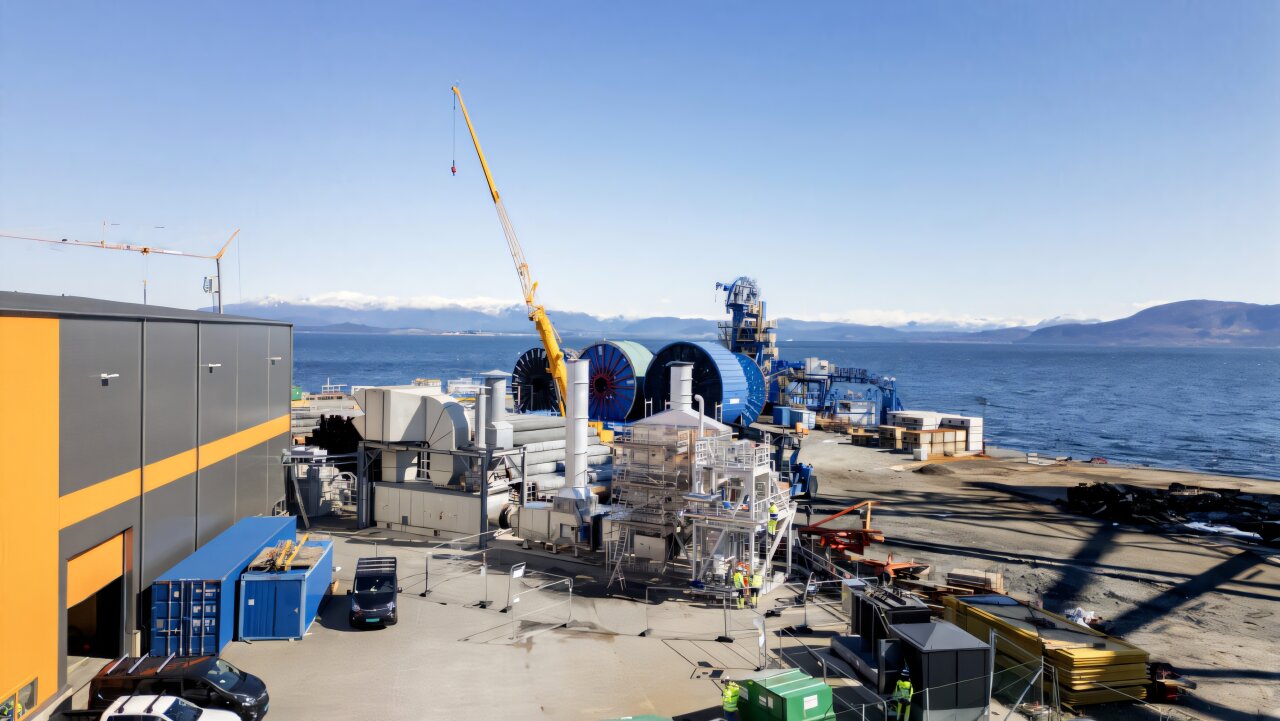
Highlighting Heidelberg’s Brevik CCS initiative – set to become the world’s first full-scale carbon capture plant at a cement facility, capturing 400,000 metric tons of CO2 annually (50% of the plant’s emissions) – Winston Beck underscored the pivotal role of partnering with the Northern Lights transport and storage project to move captured CO2 via specialized ships to subsea offshore storage.
Panellists stressed that scaling such capital-intensive, multi-sector infrastructure requires active de-risking mechanisms, shared commercial liabilities between public and private entities, temporary capture-side incentives, and the creation of robust lead markets for net-zero and low-carbon industrial products.
Norway’s three-decade legacy of CCS leadership, spanning from the 1996 Sleipner offshore project to the flagship Longship initiative, serves as a vital blueprint and knowledge-sharing hub for emerging carbon management markets.
Representatives from developing regions highlighted how Norway’s regulatory evolution, technical expertise, and monitoring frameworks are actively guiding new project development globally.
In Brazil, where bioenergy with CCS (BECCS) and offshore storage offer massive opportunities, the CCS Brazil Association is leveraging Norwegian diplomatic, technical, and supply-chain support to shape country-specific regulatory frameworks and MRV (monitoring, reporting, and verification) standards.
Ultimately, the panel reinforced that overcoming value-chain bottlenecks and replicating the Nordic model requires sustained international collaboration, targeted carbon pricing, and open knowledge transfer.
Source link