This article has been reviewed according to Science X's editorial process and policies. Editors have highlighted the following attributes while ensuring the content's credibility:
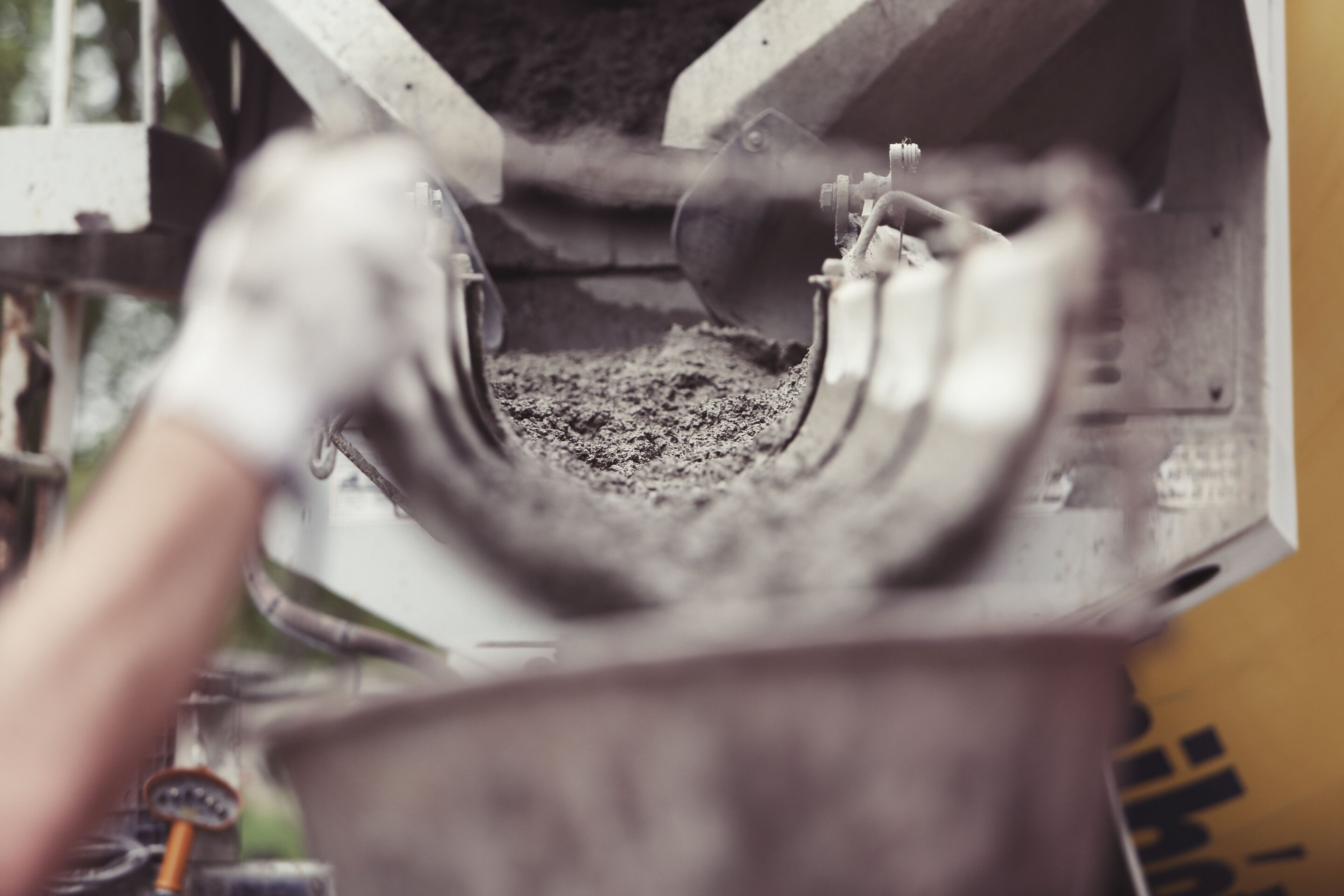
Concrete is the most widely used human-made material on Earth. Billions of tonnes are produced every year.
Unfortunately, concrete is responsible for 5%–8% of global carbon dioxide emissions. Concrete is typically made of sand, gravel and cement, the binding agent. The manufacturing of cement is the main reason why concrete is so high-emitting.
For two centuries, cement makers have relied on the portland cement method. This requires heating limestone to about 1400°C (2,550 degrees Fahrenheit) in kilns. At these temperatures, limestone breaks down, releasing carbon dioxide. Kilns often run on coal or gas, which release even more CO₂ when burned.
Low-emissions concrete is entirely possible, and it depends on substituting another binder for limestone cement. One of the best alternatives is geopolymer concrete, which often uses industrial byproducts. Emissions from geopolymers are up to 80% lower than those from portland cement concrete. Australia has one of the largest geopolymer cement projects in the world—Queensland's Wellcamp Airport near Toowoomba, which used about 40,000 cubic meters (52,000 cubic yards) of geopolymer cement.
But over a decade after the airport was built, geopolymer cement hasn't taken off. Here's why—and what we can do about it.
A polymer is a long molecule made up of repeating smaller chemical units. Geopolymers are polymers made from minerals. They're typically produced from mining byproducts such as clay or industrial byproducts such as fly ash and slag from blast furnaces.
Source link