

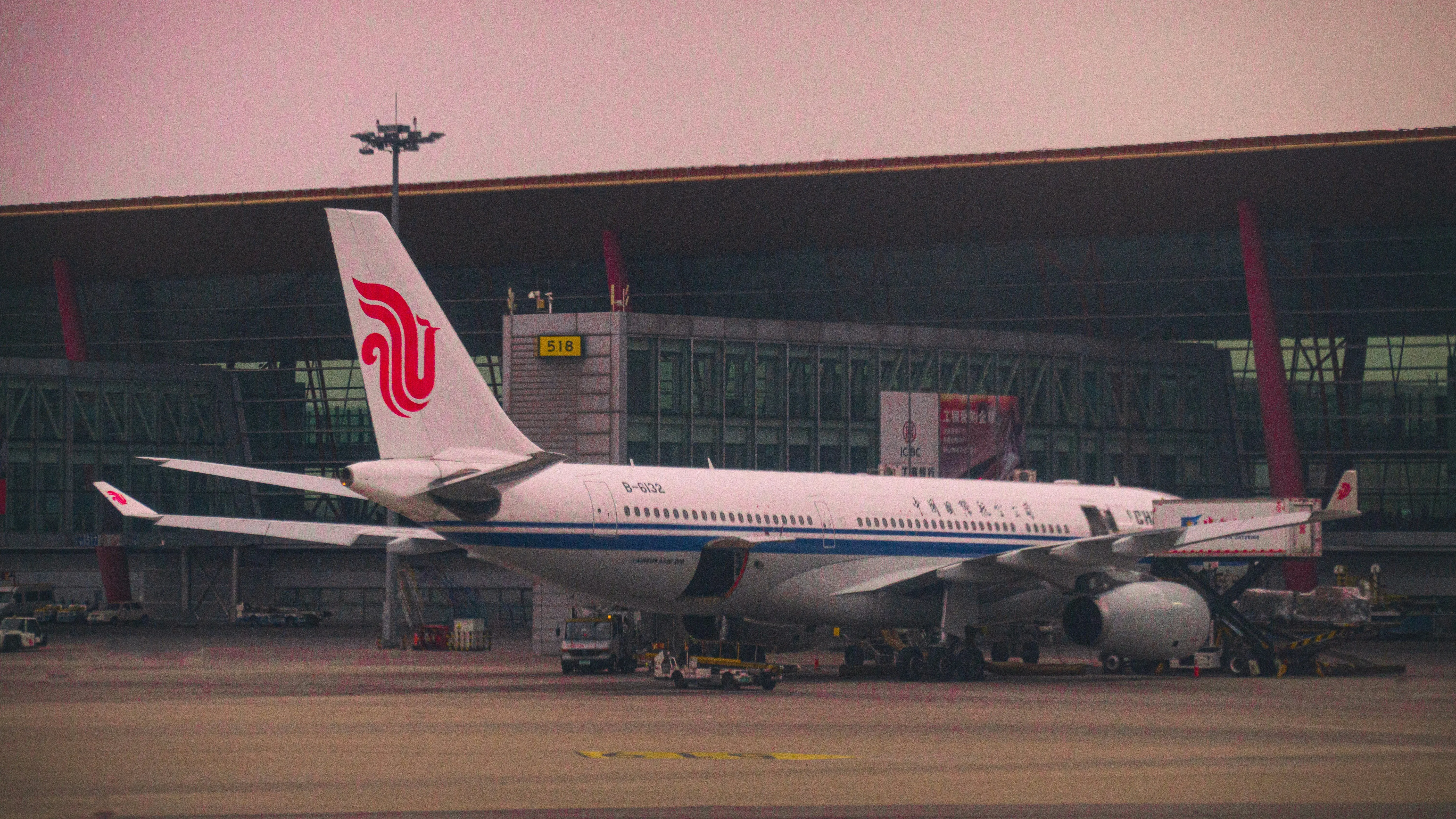
China has signalled a significant shift in its approach to international aviation emissions, confirming that it intends to participate in the Carbon Offsetting and Reduction Scheme for International Aviation (CORSIA) from 2027. The announcement puts China CORSIA participation, aviation carbon credits and Article 6 implementation firmly in focus as the global market prepares for the scheme’s next compliance phase.
In a statement published on November 23, China’s Civil Aviation Administration (CAAC) said the country would participate voluntarily and in an orderly manner between 2027 and 2029.
However, Beijing will retain oversight of the carbon instruments used by domestic airlines. Offset products must receive approval from the Chinese government, while China’s position beyond 2030 will depend on the outcome of subsequent international negotiations.
The accompanying CAAC policy explanation highlighted China’s existing involvement in the mechanism, including its emissions monitoring, reporting and verification system established in 2019. The authority also said China would continue contributing to discussions on CORSIA standards and implementation.
Established by the International Civil Aviation Organization (ICAO) in 2016, CORSIA is designed to address the growth of CO2 emissions from international aviation through eligible carbon credits.
For the 2027–2029 period, ICAO has approved several crediting programs, including American Carbon Registry, Gold Standard, Architecture for REDD+ Transactions and Verra’s Verified Carbon Standard. Eligibility applies only to qualifying units, rather than every credit issued under those programs.
China’s announcement arrives as the market faces growing demand for eligible units. The International Air Transport Association (IATA) estimated in September that airlines could need 200–250 million eligible emissions units by January 2028, while available supply remained considerably lower.
Source link





