China has a significant cost advantage over Germany, the United States and Japan in green hydrogen production, with average costs projected at $120/MWh, according to a recent analysis by the Institute of Energy Economics at the University of Cologne (EWI). China could meet its entire hydrogen demand through domestic production, without relying on imports.
Germany ranks second, with average costs of $175/MWh, based on a combination of domestic production and imports from North Africa and other European Union countries.
The United States could also meet its entire hydrogen demand domestically, but at a higher cost of $225/MWh. Japan, meanwhile, has limited and expensive domestic production potential. With no pipeline connections to the mainland, the island nation would have to rely on seaborne hydrogen imports, adding an estimated $80/MWh in transport costs.
Despite these additional costs, imports from China would remain cheaper than domestic production in Japan, averaging $190/MWh, according to EWI. Without Chinese supplies, Japan’s hydrogen import costs would exceed $300/MWh.
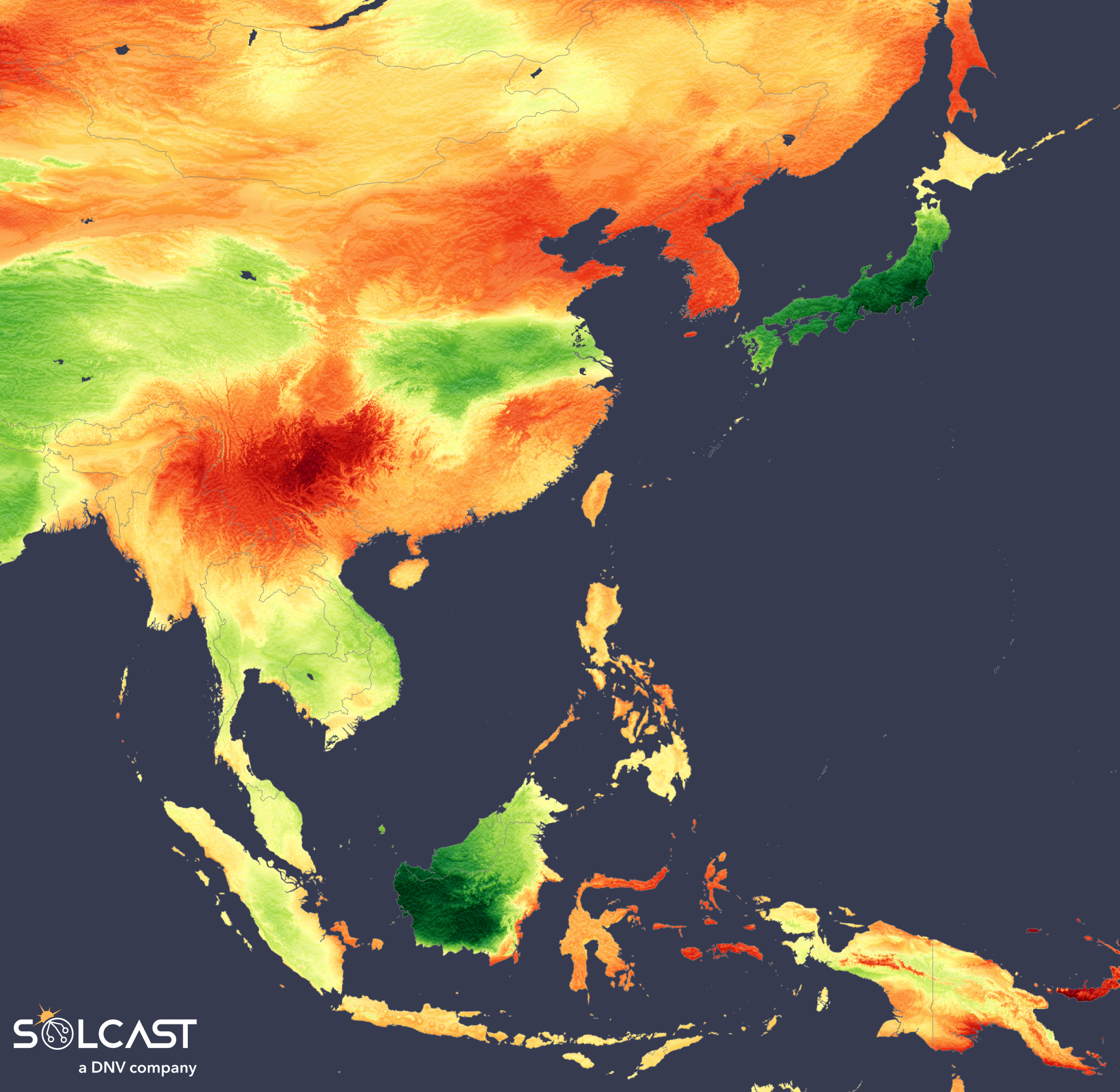
EWI attributes China’s cost advantage to favorable wind and solar resources, lower investment costs for renewable energy installations and electrolyzers, and lower labor and financing costs.
For Germany, the researchers identify import dependence as a potential risk to security of supply.
The analysis is based on EWI’s Global PtX Cost Tool, which calculates technically feasible green hydrogen supply worldwide, along with production and transport costs. The tool also covers hydrogen derivatives, including ammonia, methane, methanol and Fischer-Tropsch fuels, and accounts for transport by pipeline and ship.
For its 2026 update, EWI revised key assumptions, including capital expenditure for renewable energy installations and electrolyzers, as well as country-specific weighted average costs of capital (WACC).
Source link