
This article has been reviewed according to Science X's editorial process and policies. Editors have highlighted the following attributes while ensuring the content's credibility:
Data centers need water. And water byproducts from oil and gas and other industries need to go somewhere.
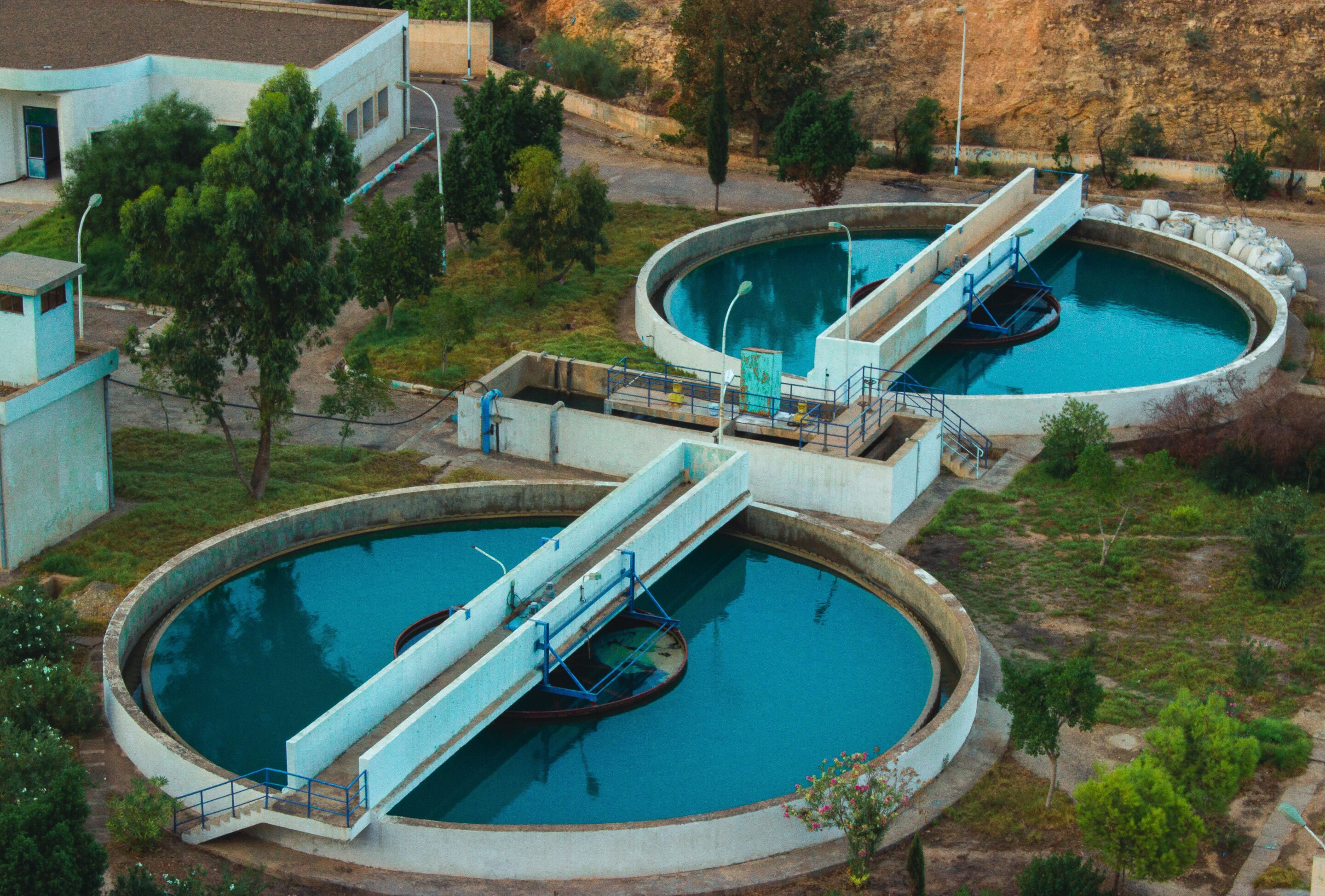
These two dynamics could be a match made in resource-sharing heaven, according to new research. Researchers from The University of Texas at Austin found that desalination technology—a process for separating salt from water—is a strong candidate for treating salty or contaminated water to help meet data centers' cooling needs, reducing pressure on local water supplies. They examined how several data centers could do this and looked at how treatment choice influences cost and environmental impact.
"We're not waiting for a futuristic technology to come along and solve this problem for us," said Vaibhav Bahadur, a professor in the Cockrell School of Engineering's Walker Department of Mechanical Engineering and one of the leaders of the research published recently in Water Research. "We can solve parts of this problem with the technology we already have; there's just a cost to it."
There are two main ways to separate salt from water: membranes (reverse osmosis) or heat. Membranes are more energy-efficient but struggle with water saltier than seawater. Using heat to turn water into vapor and then condense it back into fresh water works well for very salty water. But it uses much more energy and is hampered by scaling of equipment.
Even the most energy-intensive water treatment uses a small fraction of a data center's total energy footprint, the researchers say.
Source link





