
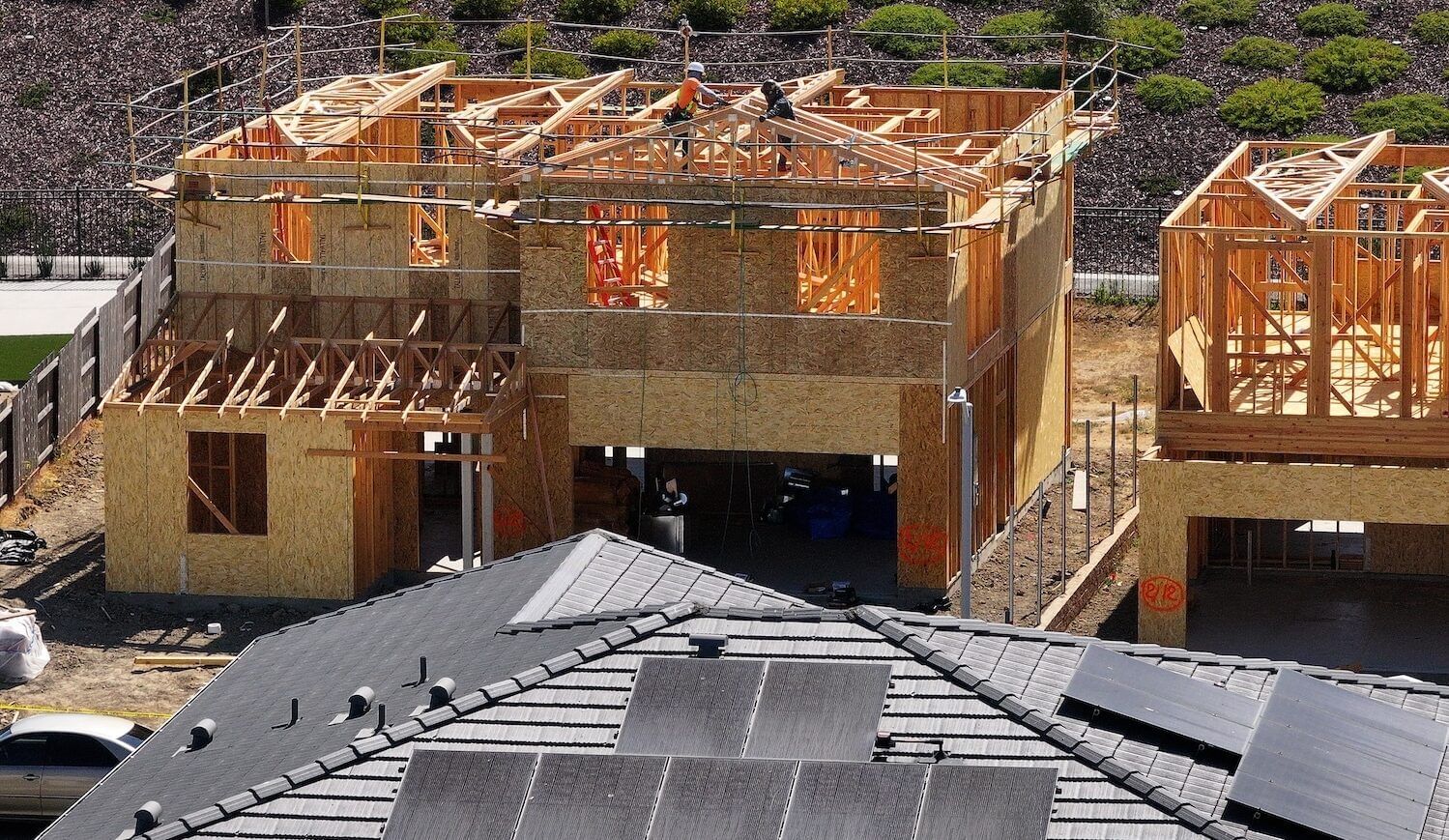
More than a dozen California cities and counties have been trying for months to get climate-forward building standards enacted. But they’ve been caught in regulatory purgatory thanks to legislation meant to address the state’s affordable housing crisis.
Last year, in an effort to ease development, California hit the brakes on updates to state and local building codes meant to make buildings safer and more efficient. But the law that established the six-year moratorium, Assembly Bill 130, left some exceptions for local governments — including a narrow legal pathway to adopt emissions-cutting rules to support their preexisting climate goals.
Since the pause went into effect Oct. 1, 2025, 21 cities and counties have passed such building ordinances. These “reach codes” go beyond the state’s energy-efficiency standards in encouraging building owners to ditch fossil fuels. For example, 14 localities have adopted rules to incentivize households to replace broken one-way air conditioners with two-way heat pumps, which provide both heating and cooling. The approach nudges homes toward electrified heating, since when the furnace dies, the installed heat pump is ready to take its place.
Reach codes have the potential to be among “the most impactful ordinances” that local agencies can adopt to tackle climate change, said Anthony Eulo, senior manager of public sector services for Silicon Valley Clean Energy, a public energy agency.
Localities must get the green light from the California Building Standards Commission, followed by a thumbs-up from the state energy commission, before they can implement those codes.
Source link





