This article has been reviewed according to Science X's editorial process and policies. Editors have highlighted the following attributes while ensuring the content's credibility:
A blockchain-based system for trading electricity directly between households and businesses could cut energy costs by up to 56% and increase the income of small-scale producers by almost 150%, according to research in the International Journal of Industrial and Systems Engineering.
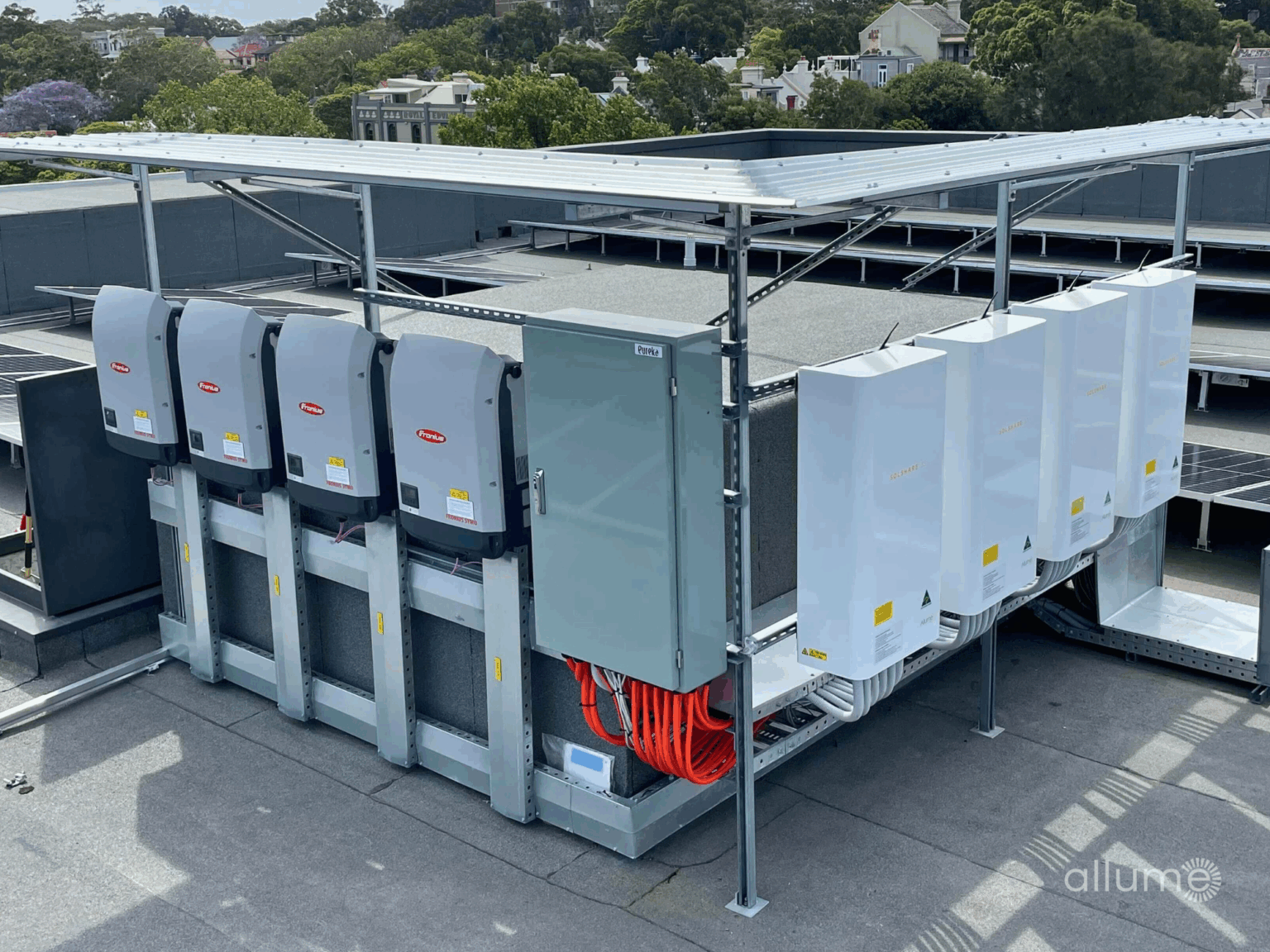
Smart microgrids link renewable energy sources with consumers through a local electricity network. The new approach combines blockchain technology, automated contracts and auctions to make that work more effectively. Blockchain is a shared digital ledger that records transactions securely and transparently, making them difficult to alter.
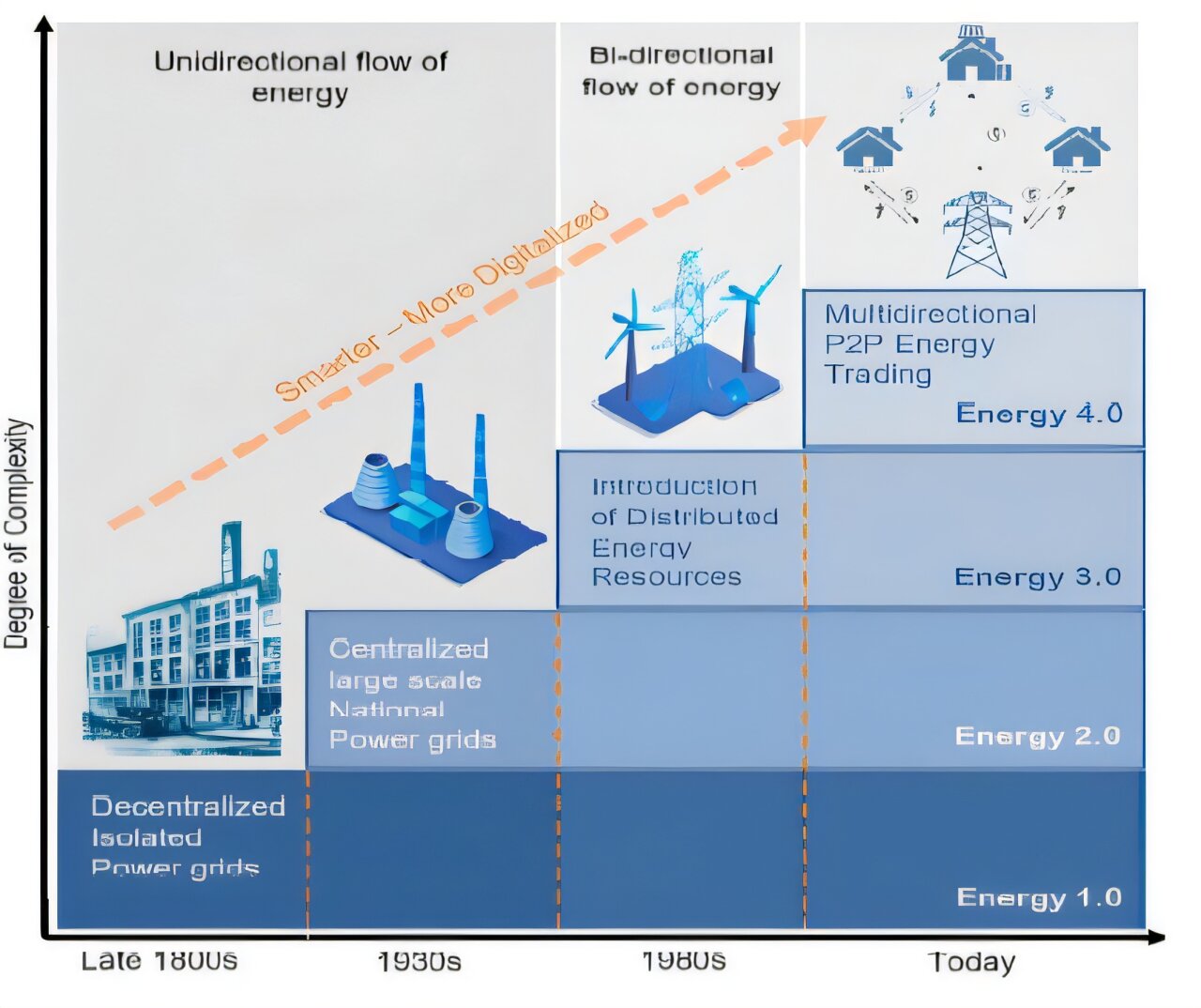
The model allows households and businesses that generate their own electricity to sell surplus power directly to other users. This peer-to-peer (P2P) approach could reduce reliance on conventional energy suppliers while giving consumers a more active role in electricity markets. The blockchain component makes the transactions more efficient and secure and sidesteps some of the limitations of feed-in tariffs, which pay producers for electricity exported to the grid, and net energy metering, which credits users for surplus power.
Tests on the new framework using a simulated rural microgrid show that decentralized electricity markets could encourage renewable energy investment, particularly in communities with limited access to conventional infrastructure.
Ye Li et al., Design and simulation of a peer-to-peer energy trading framework for aggregated smart microgrids using blockchain technology, International Journal of Industrial and Systems Engineering (2026). DOI: 10.1504/ijise.2026.157700
Source link