
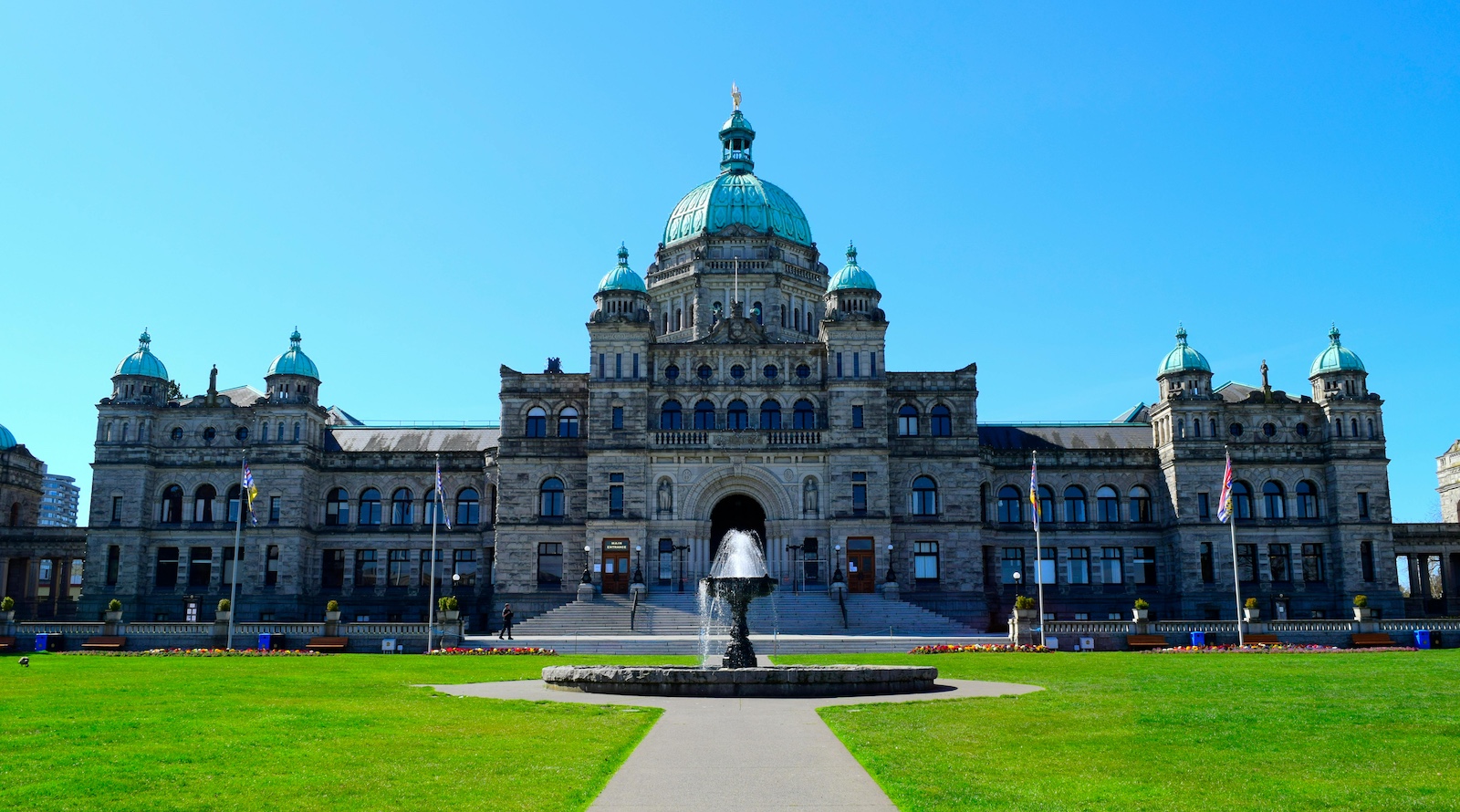
This month, the Conservative Party in British Columbia won its first major victory in nearly a century. Reuters reports that the result “marks an end to nine years of power for the left-of-center New Democrats, who voiced opposition to new oil pipelines and supported a ban on tankers along the province’s northern coast.”
Lorne Doerkson, the leader of the Conservatives, has a long list of actions he plans to take as soon as he takes office. After the election, he said his party would double methane production by 2032 and triple it by 2035. “I believe in energy. We will cut red tape like it’s never been cut before.” He promised to “supercharge” the British Columbia economy and will host a business summit in Vancouver next year.
During the campaign, the Conservatives promised to end emissions limits, replace the province’s carbon tax framework, and reach out to energy providers that had left the province’s LNG sector since 2018, including ExxonMobil, Chevron and Woodside. How that will benefit the people of British Columbia is unclear. In polling prior to the election, a majority said their major concerns were cost of living issues, healthcare, and the ongoing trade war with the US. While the Conservatives won, voter turnout was under 50 percent for the first time in years.
Is there an explanation for why a province that for years has prided itself on its climate friendly policies has suddenly turned its face to fossil fuels, especially LNG? There is and it is associated more with policies coming from the nation’s capitol.
Source link