This article has been reviewed according to Science X's editorial process and policies. Editors have highlighted the following attributes while ensuring the content's credibility:
Hurricane Belle was barreling toward New England in August 1976 when an editor from Foreign Affairs called. Physicist Amory Lovins took the call on a payphone in a shack in the Maine woods, where he spent summers as a camp guide.
"If it happened to hit that area, the wires would be down with trees on them for weeks, so we'd miss the press date," Lovins told me in a 2025 interview. The lines held up as he and the editor worked through final edits on a 14-hour phone call.
Published in October 1976 in the wake of the 1973 oil crisis, "Energy Strategy: The Road Not Taken?" drew more reprint requests than any Foreign Affairs article in decades.
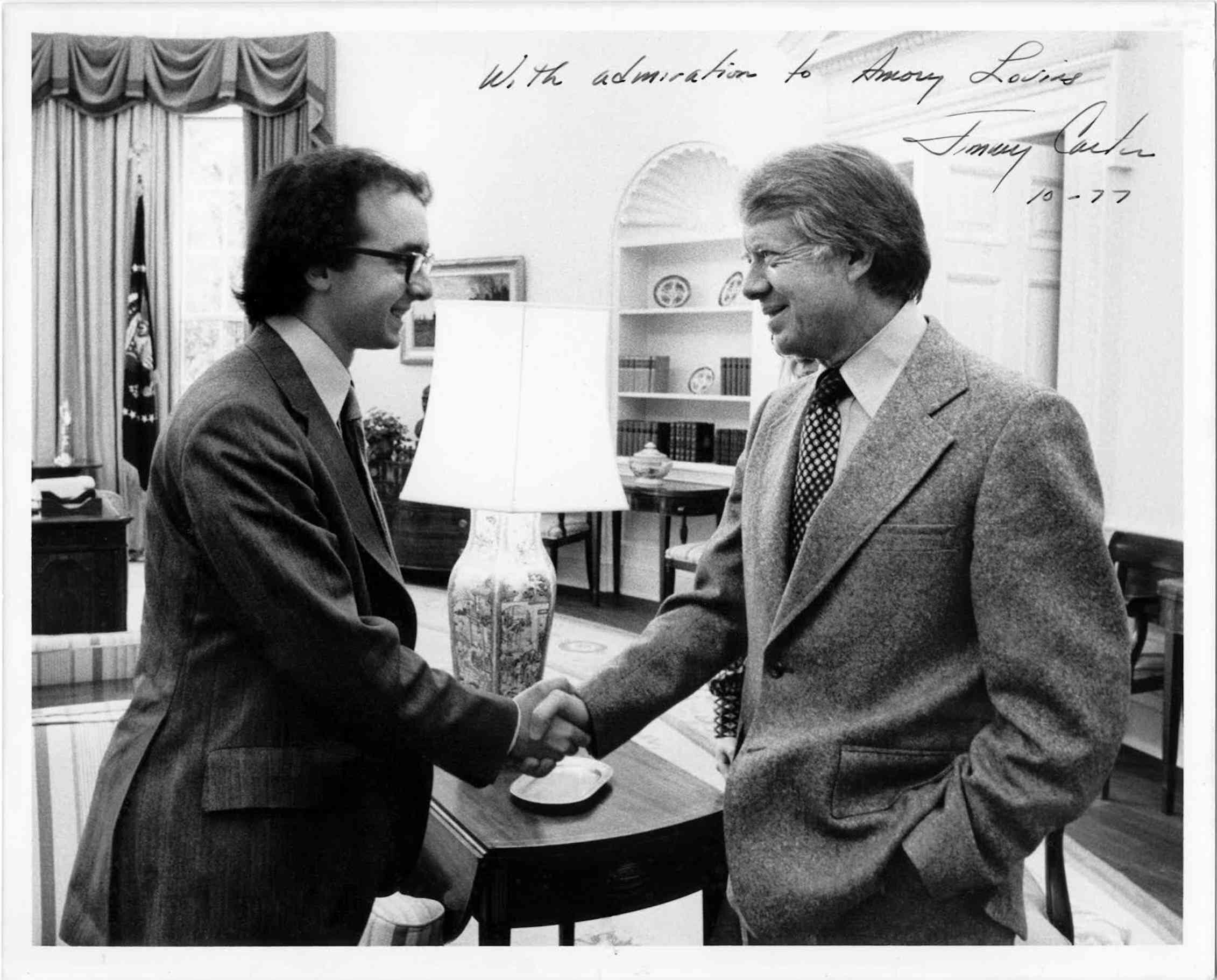
Two U.S. Senate committees called on the 29-year-old Lovins to testify about his ideas that December. The following year, Lovins met with President Jimmy Carter and his top energy advisers in the Oval Office and expanded his article into a book, "Soft Energy Paths: Toward a Durable Peace." The New York Times chronicled the "raging debate" sparked by Lovins, noting that "even his critics concede that he is something of a genius."
The article charted two paths for the future of energy. One, which Lovins called the "hard" path, required ever more energy supply to meet inexorably rising demand.
Source link