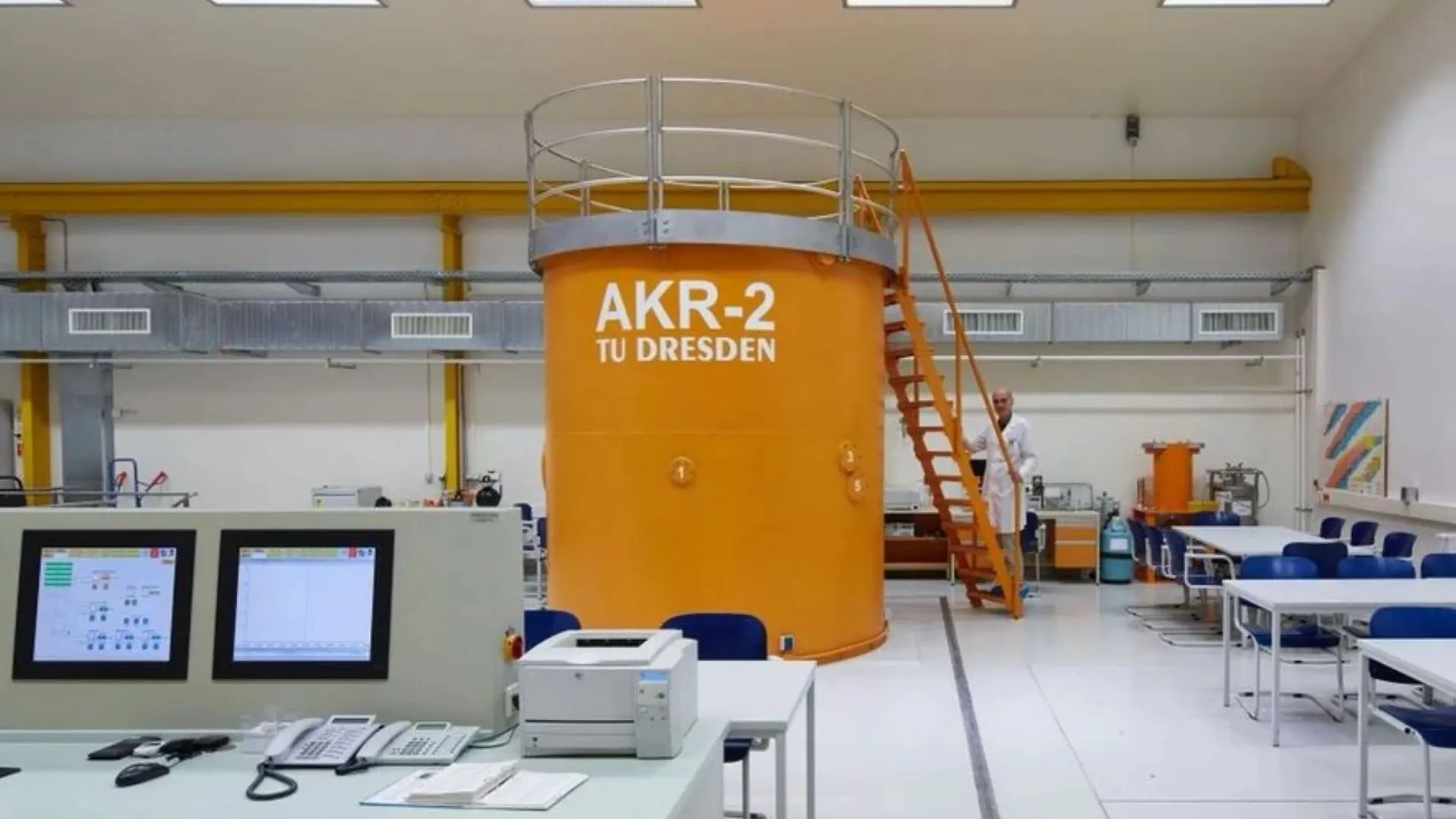
Scientists in Germany have been exploring a novel method to turn spent nuclear fuel into low-carbon power. A feasibility study from the Technical University of Dresden outlines plans for a pioneering recycling reactor known as DEMO.
“High-level radioactive waste is considered one of humanity’s most dangerous legacies,” said the research team. “To address this problem at its source, TUD plans to build the experimental recycling reactor DEMO.”
The project proposes a molten salt reactor capable of consuming spent fuel on site. If the project succeeds, it could render Germany’s search for a deep geological repository obsolete. This, according to the proposal, could potentially save the country €50 billion ($56 billion) under the federal Site Selection Act.
The proposal focuses on a method known as transmutation without reprocessing. Conventional nuclear recycling relies on complex chemical procedures to extract usable materials from radioactive rods.
Dresden’s design sidesteps this hazard by introducing high-level waste—including spent fuel and vitrified materials—directly into liquid salt carriers without conventional chemical reprocessing.
Neutron bombardment splits heavy nuclear waste into lighter elements inside the reactor. Most of these residual fission products decay to safe levels within decades rather than millennia. Because the leftover waste is predominantly short-lived, the team argues it would bypass the stringent long-term storage mandates enforced by German federal law.
The energy potential locked in these stockpiles is substantial. Researchers calculate that Germany’s stored waste holds enough usable energy to supply the equivalent of 300 times the nation’s annual electricity demand. Alongside clean heat, the reactor would produce vital medical radionuclides for cancer therapies and provide technical data for advanced nuclear fusion research.
Source link