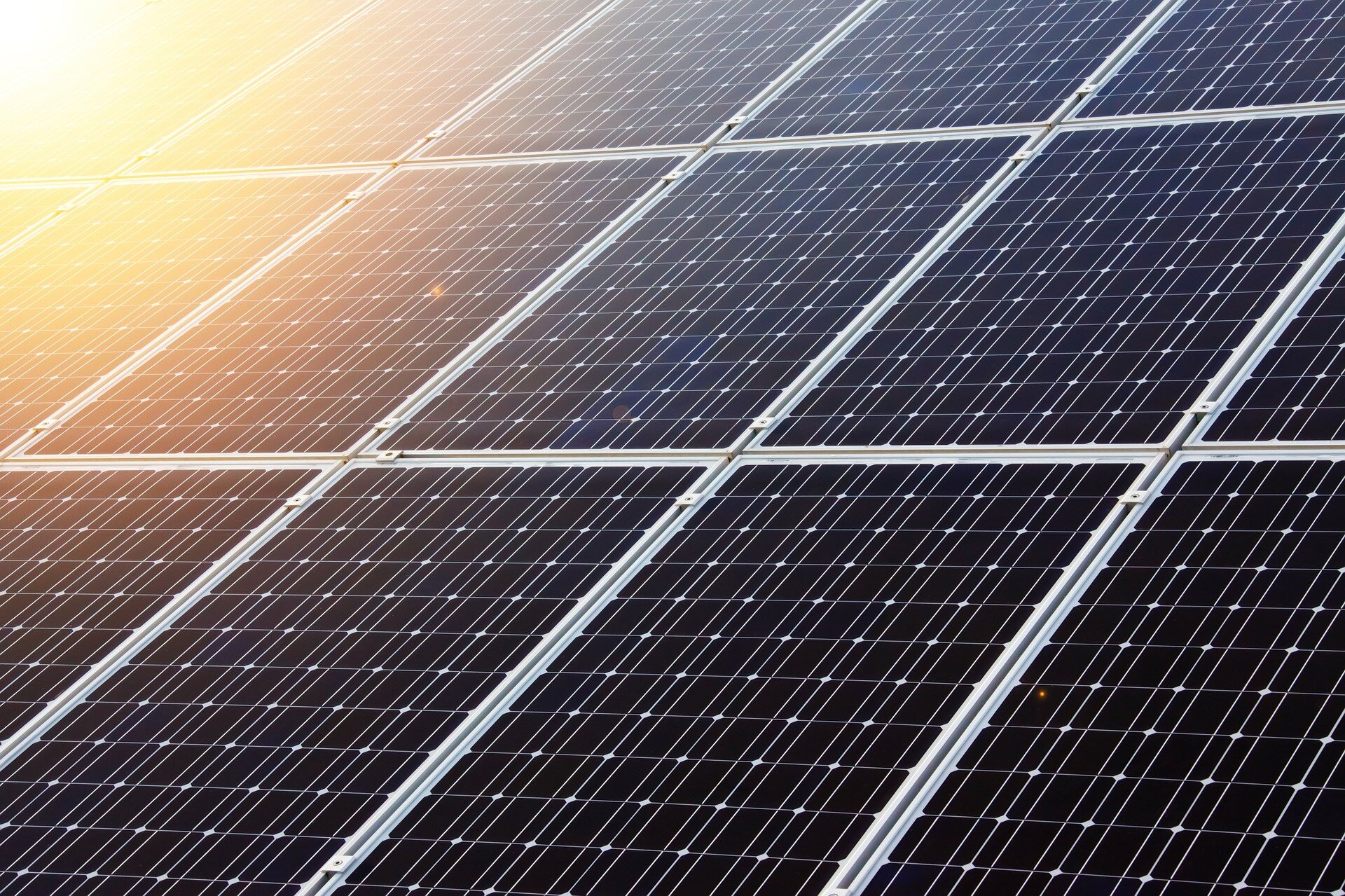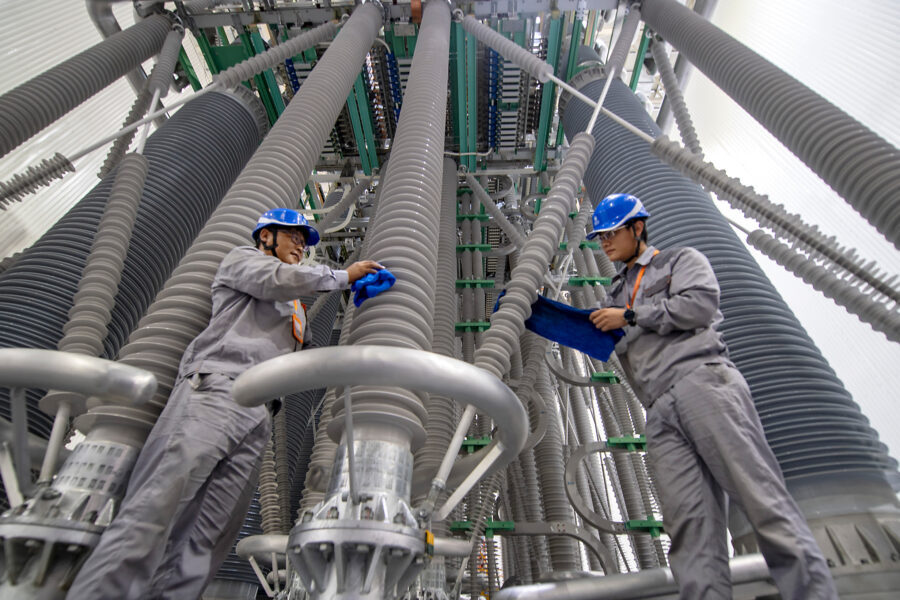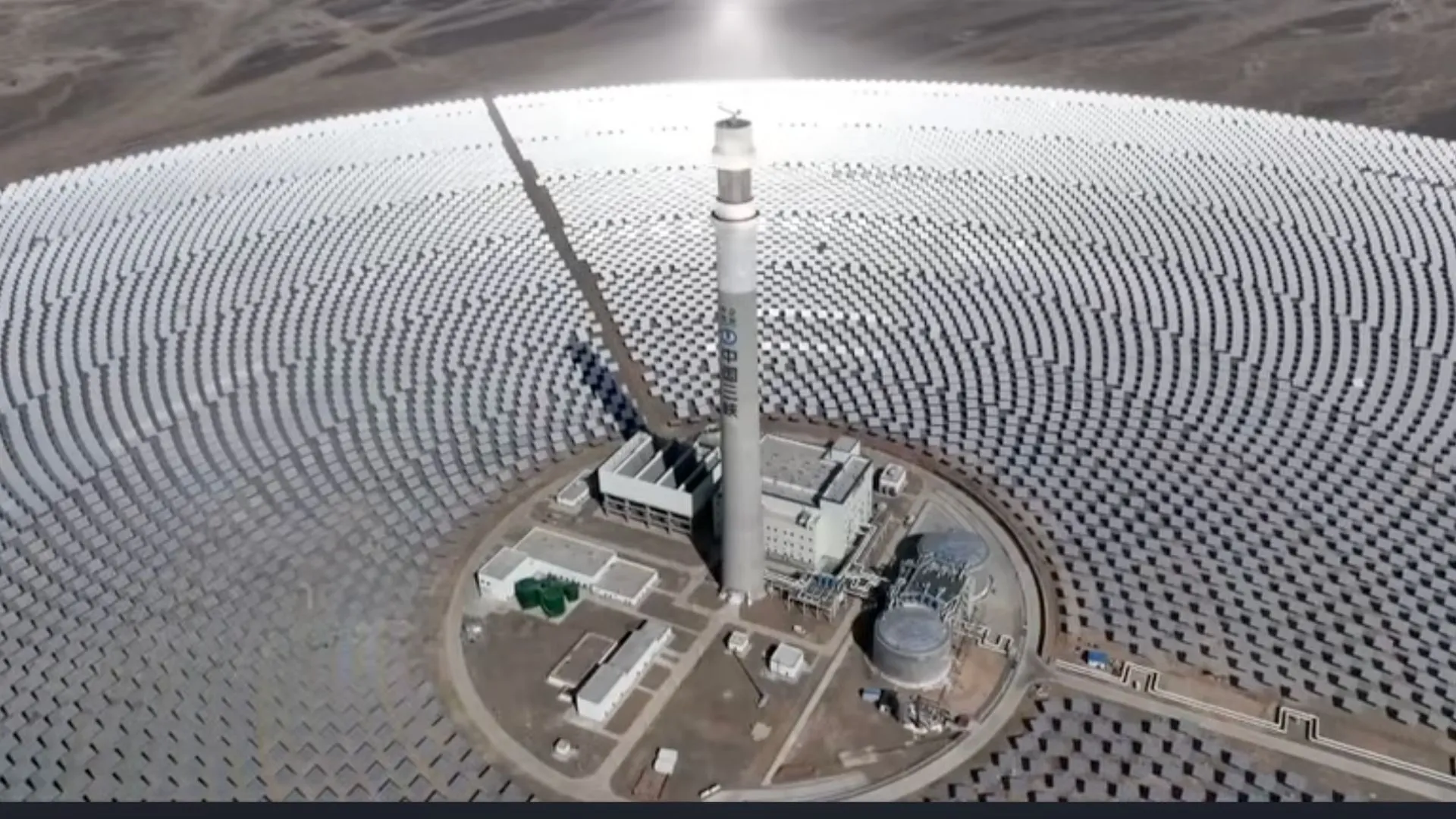
China has connected the first generating unit of a solar power demonstration project in Xizang to the national grid, marking a milestone for renewable energy development at extreme altitudes.
Located in Gar County, Ngari Prefecture, at an average elevation of 4,300 meters (14,100 feet), the project combines photovoltaic panels with solar thermal generation and energy storage to provide electricity even when sunlight is unavailable.
Developed by China General Nuclear Power Group (CGN), the facility has a total installed capacity of 150 megawatts (MW), comprising a 100 MW photovoltaic plant and a 50 MW solar thermal power station. It is expected to generate approximately 270 million kilowatt-hours of electricity annually and reduce carbon dioxide emissions by around 168,200 tonnes a year, once fully operational.
The project is being described as the world’s highest-altitude grid-connected solar thermal power station. Its significance lies not only in its location but also in its ability to store solar energy as heat and use it to generate electricity after daylight hours.
Unlike conventional photovoltaic systems, which convert sunlight directly into electricity, concentrated solar power (CSP) uses thermal energy as an intermediate step. Mirrors concentrate sunlight onto a receiver, heating a fluid or another storage medium. The collected heat can then produce steam to drive a turbine and generate electricity.
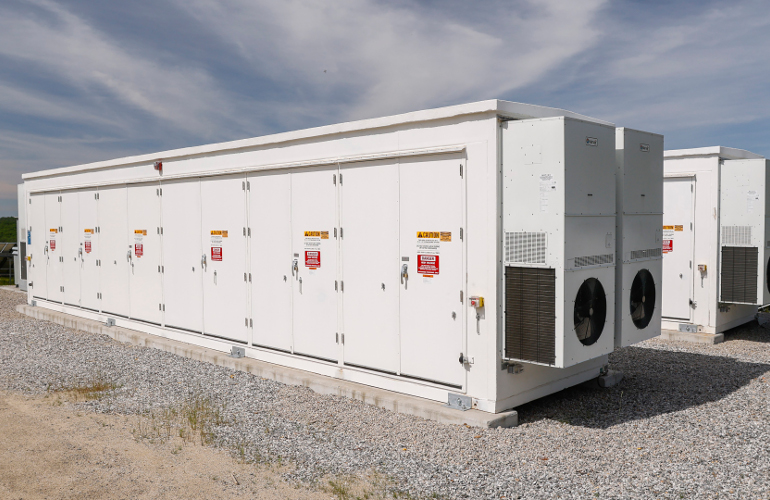
Thermal storage allows this process to continue when sunlight weakens or disappears. In the Gar County project, CGN is using a photovoltaic-plus-molten-salt-electric-heating approach. Electricity generated by the solar panels can be used to heat molten salt, which stores energy until it is needed.
Source link