Funding
- Funding Tracker2 hours ago
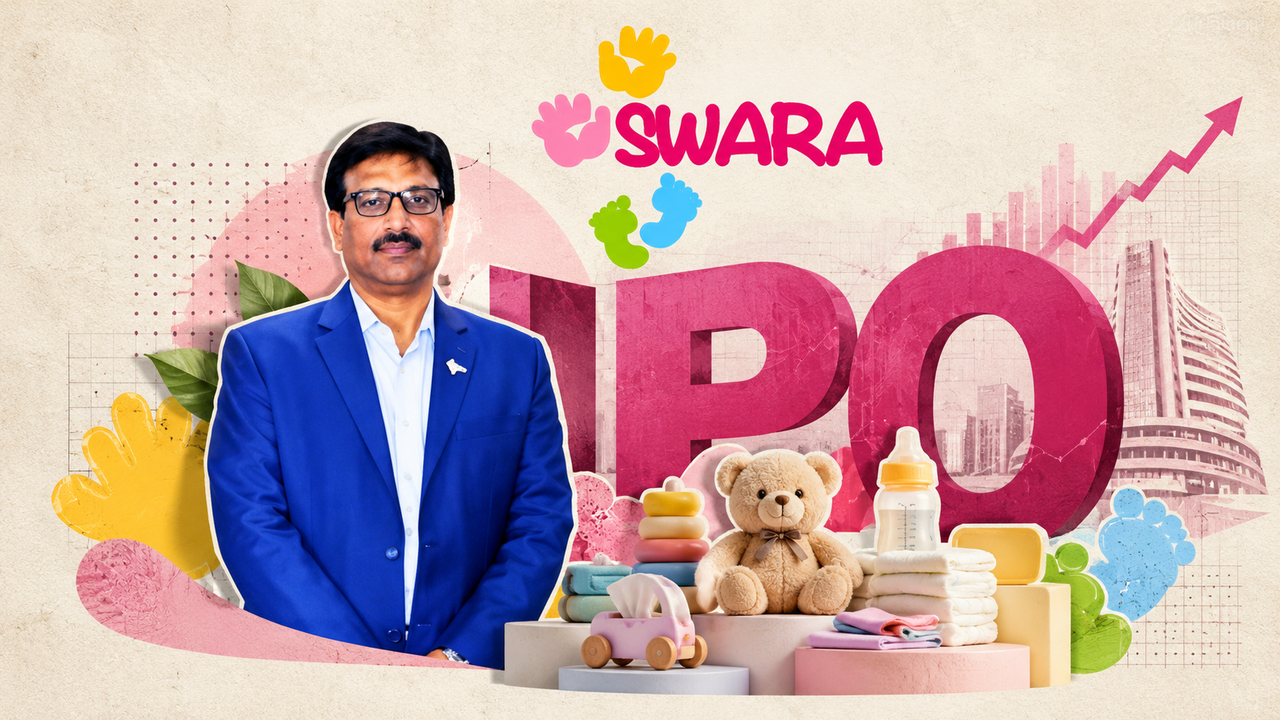
FirstCry-backed Swara Baby Products fixes Rs 105-111 price band for Rs 800 Cr IPO
FirstCry-backed Swara Baby Products has fixed the price band for its initial public offering (IPO) at Rs 105-111 per share. The company will open its Rs 800 crore IPO for subscription on December 2. The issue comprises a fresh issue of Rs 500 crore and an offer for sale (OFS) of Rs 300 crore by existing shareholders. FirstCry parent Brainbees Solutions and promoter entity Anadya Bon Merchari LLP will each sell shares worth Rs 150 crore through the OFS. At the upper end of the price band, Swara Baby Products will command a valuation of around Rs 3,211 crore. The issue will close on December 4, while the shares are scheduled to list on December 9. The company has also reduced its IPO size from the Rs 1,000 crore proposed in its draft papers filed with SEBI in July. While the fresh issue remains unchanged at Rs 500 crore, the OFS component has been cut from Rs 500 crore to Rs 300 crore. SEBI had cleared the company's IPO papers in October. Founded in 2018, Swara Baby Products manufactures baby diapers, adult diapers, sanitary napkins and panty liners. The company operates as a contract manufacturer for brands such as FirstCry, Piramal Pharma and Himalaya Wellness. It also sells products under its own brands, Cuddles for baby diapers and Shields for adult diapers. According to its DRHP, Swara Baby was India's largest hygiene contract manufacturer by value in FY25, with a 37% share in the baby diaper contract manufacturing market and 36% in the adult diaper segment. On the financial front, the company reported an 18.5% year-on-year growth in net profit to Rs 95.6 crore in FY26, while revenue from operations grew 23.4% to Rs 1,163.9 crore from Rs 943 crore in FY25. Swara Baby plans to use Rs 198.2 crore from the fresh issue to set up a new manufacturing facility in Pithampur, Madhya Pradesh. Another Rs 127.5 crore will go towards debt repayment, while the remaining proceeds will be used for acquisitions and general corporate purposes.
- Funding Tracker3 hours ago
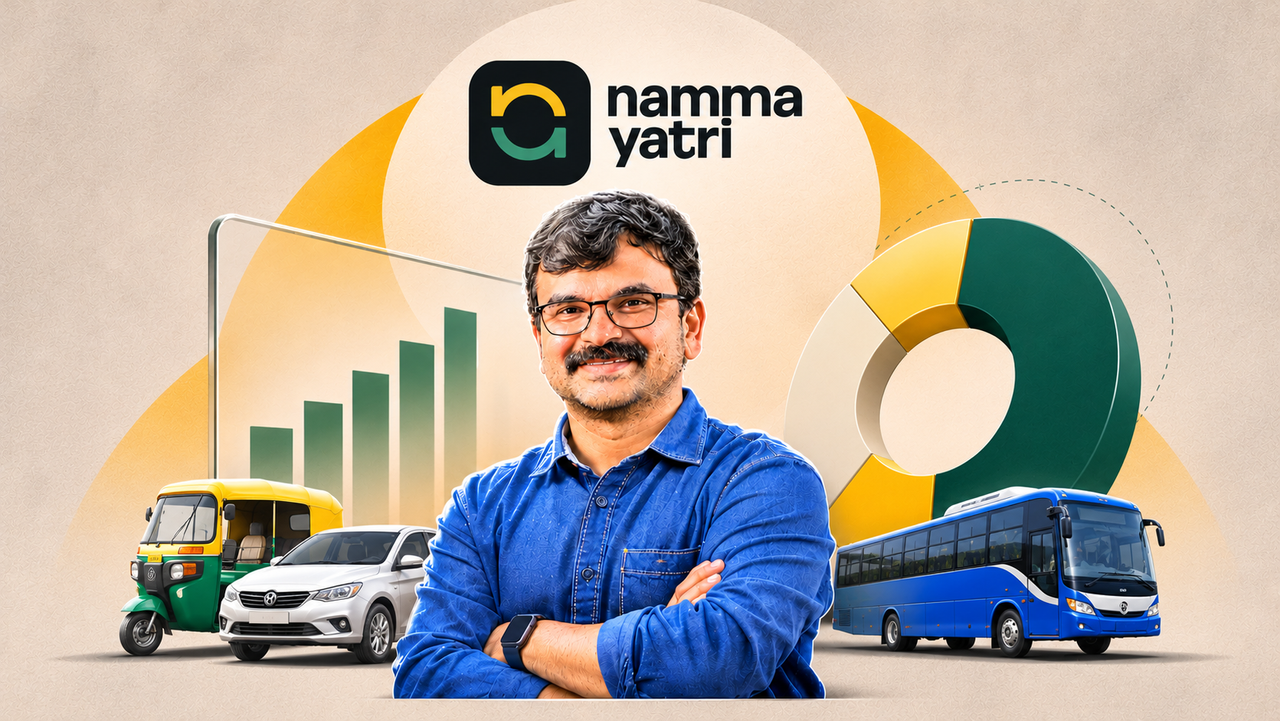
Exclusive: Namma Yatri raises Rs 27.25 Cr led by Michael & Susan Dell Foundation
Google-backed ride-hailing platform Namma Yatri has raised Rs 27.25 crore in an ongoing pre-Series A funding round led by new investor Michael & Susan Dell Foundation, with participation from Narayana Hrudayalaya Limited. In March 2026, Bengaluru-based company raised $4.4 million in a pre-Series A extension round led by Juspay founder Vimal Kumar, with participation from existing investors Blume Ventures, Antler, and others. The board at company passed resolution to alloted 86,31,602 Series A2 compulsorily convertible preference shares (CCPS) at an issue price of Rs 31.57 per share, along with 10 equity shares, according to its regulatory filings. The Michael & Susan Dell Foundation invested Rs 27 crore in the round, while Narayana Hrudayalaya Limited invested Rs 25 lakh. As per Entrackr’s estimates, the company is valued around flat Rs 526 crore post money. The proceeds will be utilised to meet the company’s financial requirements and support its business expansion and growth. Founded in Bengaluru, Moving Tech operates mobility platforms such as Namma Yatri, Yatri Sathi, and Bharat Taxi. It follows a direct-to-driver model that does not charge commissions. Following the allotment, Juspay remains the largest shareholder in Namma Yatri, holding a 27.93% stake, followed by founder Vimal Kumar with 13.19% and Blume Ventures with 10.43%. The company’s co-founders, Magizhan Selvan and Shanmugavel Mani Subbiah, hold 7.68% and 6.28% stakes, respectively, while Antler holds 5.48%. Other key shareholders include Michael & Susan Dell Foundation (5.13%), Moving Tech Collaborators Trust (4.89%), Sheetal Lalwani, Co-Founder & COO of Juspay (3.49%), and Google (3.17%). Namma Yatri’s revenue from operations surged 89.4% to Rs 37.5 crore in FY26 from Rs 19.8 crore in FY25. Meanwhile, the company narrowed its net loss by 14.8% to Rs 43.8 crore in FY26 from Rs 51.4 crore in the previous fiscal year.
- Funding Tracker15 hours ago
Norwest Venture Partners sells 2.15% stake in Amagi for Rs 262 Cr through block deal
Global investment firm Norwest Venture Partners has offloaded a 2.15% stake in SaaS company Amagi through a block deal worth Rs 262.44 crore. According to exchange data, Norwest Venture Partners X Mauritius sold 47.37 lakh shares at Rs 554 each on the NSE. The transaction was executed at a discount of around 3% to Amagi's previous closing price of Rs 571.05 per share. On the buying side, Aditya Birla Sun Life Mutual Fund acquired 33.27 lakh shares worth Rs 184.33 crore. Old Bridge Capital Management's All Cap Strategy picked up 7.65 lakh shares worth Rs 42.38 crore, while Long Term Equity Fund acquired 6.45 lakh shares worth Rs 35.73 crore. All the transactions took place at Rs 554 per share. Norwest Venture Partners held an 11.76% stake in Amagi as of September 2026. Following the latest transaction, its shareholding is expected to decline to around 9.61%. Amagi recently reported a strong performance in the second quarter of FY27. Its operating revenue grew 27% year-on-year to Rs 476 crore . The company's profit after tax surged nearly 30-fold to Rs 75 crore during the quarter. Following the transaction, shares of the company ended Thursday's trading session at Rs 582.80, giving the company total market capitalization of Rs 12,831 crore or $1.35 billion.
- Funding Tracker20 hours ago
Capri Global raises $30M in bonds from BlueOrchard Microfinance
Capri Global Capital Limited, a retail-focused non-banking financial company (NBFC), has raised $30 million from the BlueOrchard Microfinance Fund, managed by impact investment firm BlueOrchard Finance Ltd. According to a company statement, this marks Capri Global’s first-ever fundraise from an impact fund. The proceeds will be deployed towards financing activities for micro, small and medium enterprises (MSMEs), as well as supporting the company’s growth opportunities. The fundraising was carried out through a private placement of senior secured, US dollar-denominated bonds with a tenor of 36 months and a maturity date in November 2029. BlueOrchard was the sole investor in the issuance, and the bonds will be listed on NSE IFSC Limited. “India’s MSME sector has significant potential to drive economic growth, entrepreneurship and employment. Realising this potential will require a stronger credit ecosystem that can meet the diverse financing needs of businesses at every stage of their growth. Institutional capital and long-term partnerships will be key to this effort. Our partnership with BlueOrchard strengthens our ability to deepen our reach in the MSME segment and support a more inclusive credit landscape,” said Rajesh Sharma, Managing Director, Capri Global Capital. Capri Global said this fundraise further diversifies its liability profile demonstrating the ability to access a broad range of domestic and international funding sources. Alongside development and impact-focused investors, the company’s funding sources include domestic banks and financial institutions, domestic bond issuances, co-lending arrangements, direct assignment transactions and international capital market programmes. “ For impact investing to deliver meaningful outcomes, capital must be channelled through institutions with the ability to reach businesses that are critical to local economies. Our investment in Capri Global reflects our approach of partnering with financial institutions to sup
- Funding Tracker23 hours ago
Namma Yatri's revenue grows 89% to Rs 37.5 Cr in FY26; losses narrow 15%
Namma Yatri entered the ride-hailing market in 2022 as an auto-rickshaw booking platform. It adopted a different approach in a segment dominated by Uber, Rapido and Ola. The Bengaluru-based company reported an 89.4% year-on-year increase in operating revenue in FY26, while its losses narrowed by nearly 15% during the same period. Namma Yatri's revenue from operations rose to Rs 37.5 crore in FY26 from Rs 19.8 crore in the previous fiscal year, according to its consolidated financial statements sourced from the Registrar of Companies (RoC). Unlike the conventional commission-based model, Namma Yatri introduced a zero-commission model for drivers, allowing them to retain the entire fare paid by customers. Instead, the company earns through fixed subscription fees or per-trip charges for using its platform. It also earned Rs 2 crore from gains on the sale of investments, taking its total income to Rs 39.5 crore in FY26 from Rs 23.5 crore in FY25. On the expense side, employee benefits remained the largest cost centre, accounting for around 41% of its total expenditure. The expense increased 12.7% to Rs 34.5 crore in FY26. Advertising and promotional expenses also saw a 38% jump to Rs 16.7 crore during the year. Other expenses, including legal, information technology, field operations, telecalling, recruitment and travel, pushed the company's overall expenditure up 11.2% to Rs 83.3 crore in FY26 from Rs 74.9 crore in FY25. Despite the sharp growth in revenue, Namma Yatri continues to spend considerably more than it earns from operations. However, slower growth in expenses helped the company bring down its net loss by 14.8% to Rs 43.8 crore in FY26 from Rs 51.4 crore in the previous fiscal year. On a unit basis, the company spent Rs 2.22 to earn every rupee of operating revenue in FY26. Its ROCE and EBITDA margin stood at 79.8% and 106%, respectively. The ride-hailing space has become increasingly competitive, with Rapido making strong inroads into autos and cab services
- Funding Tracker23 hours ago
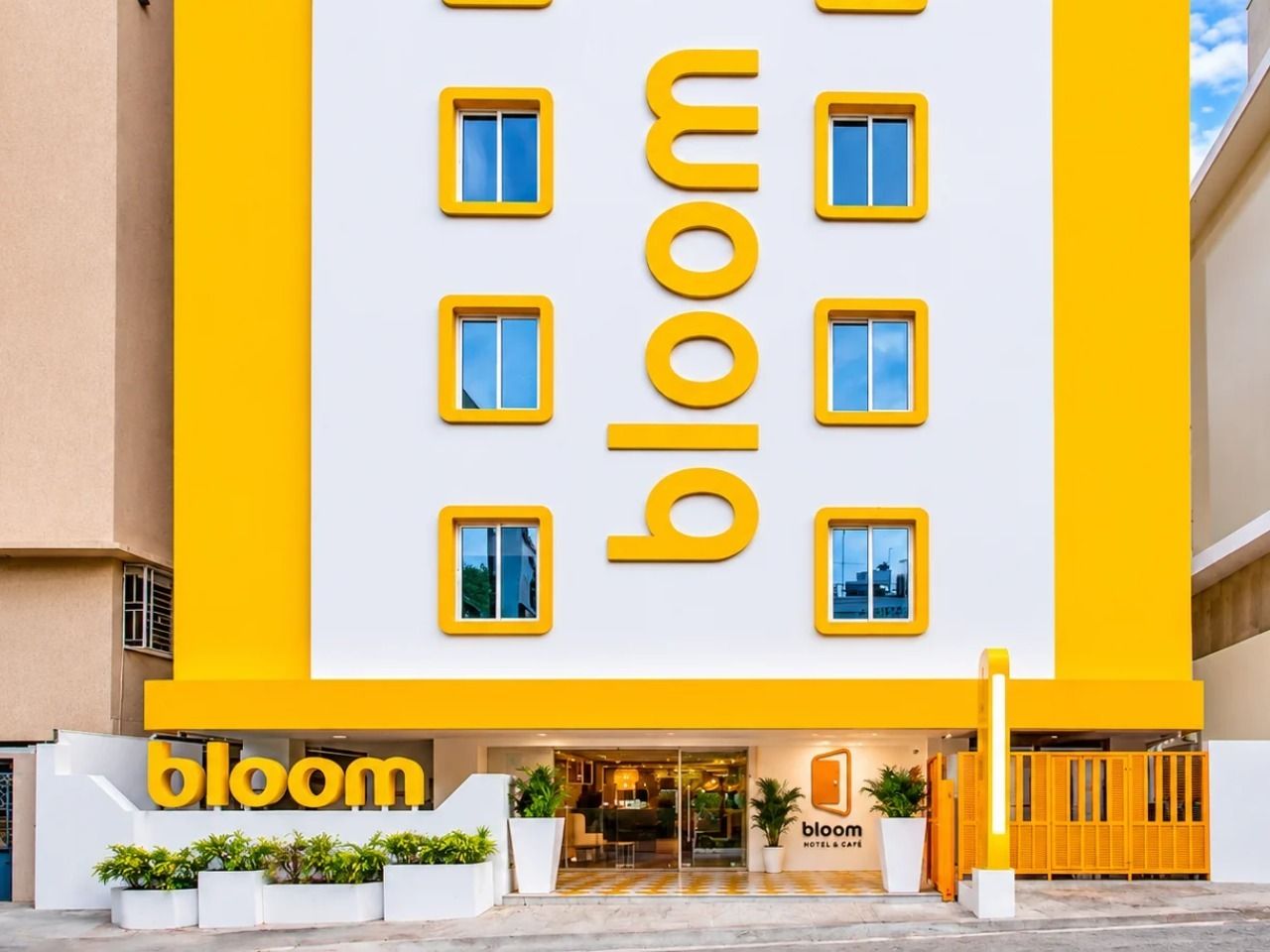
Profitable hotel chain Bloom raises Rs 700 crore from Kedaara, eyes Southeast Asia next
Delhi-based hospitality brand Bloom has raised $75 million or nearly Rs 700 crore in a primary funding round led by private equity firm Kedaara Capital , as it plans to grow its hotel portfolio to 12,000 rooms over the next few years, from more than 4,700 expected by March 2027. The startup runs hotels under brands including Bloom Hotel, Bloom Hub, BloomSuites and Bloomrooms. Bloom describes itself as a tech-driven travel and hospitality brand . It said it built its own cloud-based technology platform before it took on its first hotel, and that the platform has allowed it to expand while keeping service standards consistent across properties. Part of the new funding will go into that platform, particularly into AI and dynamic pricing, which the startup said will improve the customer experience and operational efficiency. “ We look forward to working with the outstanding Kedaara team, ” said Sanjeev Sethi, President of Bloom, adding that the aim was “ to build Bloom into one of Asia's iconic brands. ” “ The tech build-out will remain our primary focus in delivering consistent value across the Bloom platform every single time, ” Sethi said. Anant Gupta, Partner at Kedaara Capital, said, “ We see an exciting opportunity for Bloom to emerge as one of India's most differentiated and loved consumer brands. ” Bloom expects to operate more than 4,700 rooms by the end of the current financial year in March 2027. It aims to reach 12,000 rooms across its key markets over the next few years before it enters new geographies, with a focus on domestic and outbound travel. The target is roughly 2.5 times its expected size at the end of this financial year. Growth and profits Bloom said it has grown at a compound annual rate of about 30% over the past five years while staying profitable. The startup's last reported annual numbers show that pattern. In FY25, Bloom's revenue from operations rose about 36% to Rs 357.50 crore, from Rs 262.
- Funding Tracker23 hours ago
Nexent Capital launches $1 Bn fund for AI infra, advanced energy investments
Nexent Capital IFSC has launched Nexent Capital ADGM Fund I, a closed-end fund targeting $1 billion in capital commitments, with the corpus expandable to $1.6 billion. The fund will focus on quantum-ready AI infrastructure and advanced energy investments. The fund is structured as an Abu Dhabi Global Market (ADGM)-domiciled Qualified Investor Fund (QIF), with a GIFT City-based, IFSCA-regulated Alternative Investment Fund (AIF) serving as its feeder vehicle. Nexent Capital ADGM Limited is being established as the fund manager. The fund has secured an anchor commitment of $20 million from the Tyagi family office. It has also identified a pipeline of AI infrastructure and advanced energy projects across North America and India. These include data centre and power assets sponsored by affiliates of the Nexent Capital and Tryfacta platforms. Nexent Capital ADGM Fund I will deploy capital across five investment strategies: infrastructure private equity in AI and data centre assets, private credit and structured capital, special-situations mergers and acquisitions (M&A), growth equity and private investment in public equity (PIPEs), and liquid public equity exposure across the AI and data centre value chain. Nexent Capital IFSC is working with an Abu Dhabi-based fund administrator that manages more than $3.4 trillion in assets globally. It is also progressing the formal appointment of legal counsel and an auditor as part of its process to secure Financial Services Regulatory Authority (FSRA) authorisation and achieve the fund’s first close. The fund has a minimum investment commitment of $500,000. It is targeting its first close within approximately six months of receiving FSRA authorisation, followed by a final close six months later. The launch comes amid growing investor interest in infrastructure supporting AI deployment, including power generation, data centres and advanced energy systems. GIFT City and ADGM are also emerging as gateways for cross-border alte
- Funding Tracker1 day ago
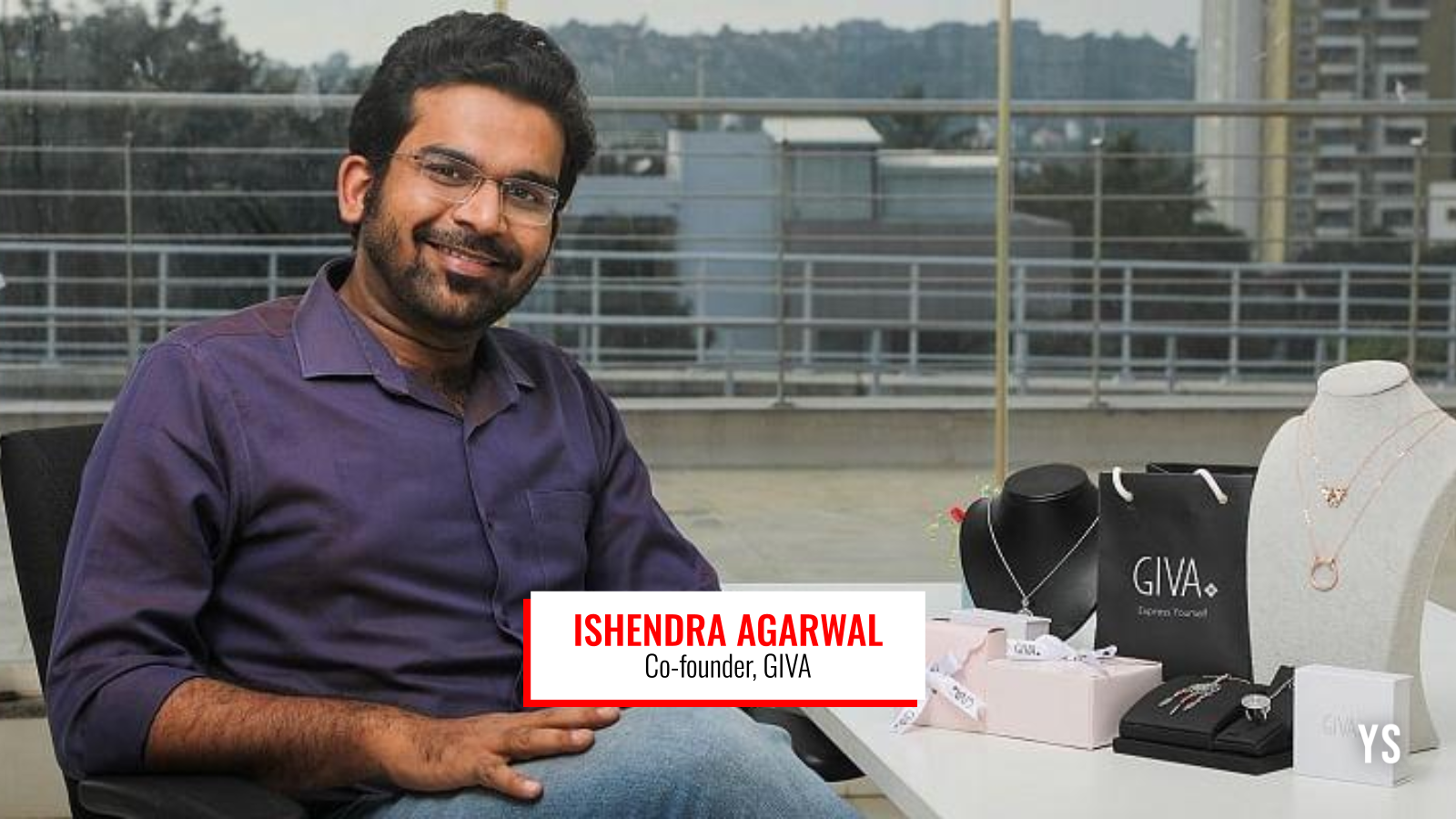
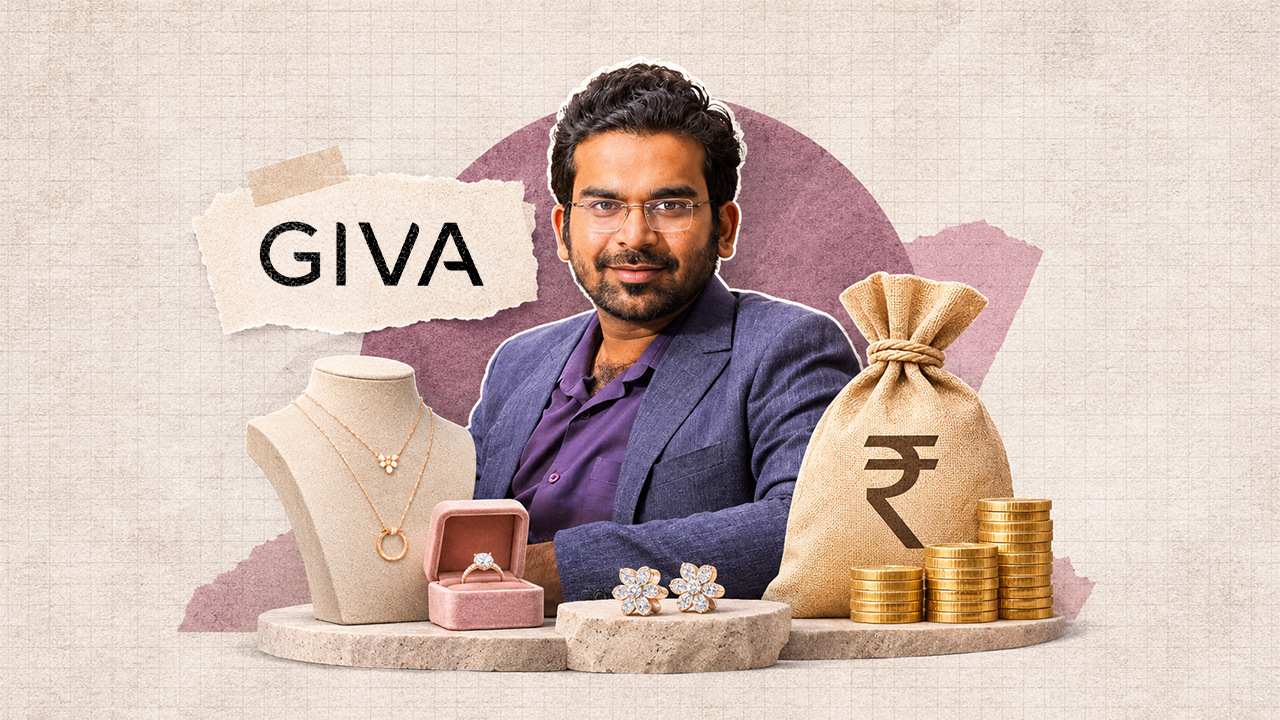
GIVA raises Rs 90 Cr from alternative credit platform BlackSoil
Jewellery brand GIVA has raised Rs 90 crore from alternative credit platform BlackSoil. This comes less than a month after the company announced a funding round of over $100 million led by Multiples Alternate Asset Management, alongside existing investors Epiq Capital and Edelweiss Discovery Fund. The capital will support GIVA's store-related capital expenditure and working capital requirements as the company expands its retail network and strengthens its omnichannel presence, it said in a statement. Founded in 2019 and headquartered in Bengaluru, GIVA focuses on everyday jewellery, catering primarily to Indian consumers. The brand is backed by several prominent celebrities, including Kriti Sanon and Anushka Sharma. Its portfolio spans 92.5 silver, gold, gold-plated, rose gold-plated, and lab-grown diamond jewellery. GIVA follows an omnichannel distribution model through its own retail stores, D2C website and third-party ecommerce and quick-commerce marketplaces. The company has also been expanding its manufacturing capabilities and offline presence. “As we continue to grow GIVA's retail presence, building the right financial and operational capabilities is important to supporting our expansion. Our partnership with BlackSoil will support our store expansion plans and working capital requirements as we scale our omnichannel business. We continue to focus on making design-led jewellery more accessible to consumers while building a wider and stronger retail network across India,” said Ishendra Agarwal, Founder & CEO, GIVA. "GIVA has established a strong brand presence in India's D2C jewellery space, supported by its product range, growth and omnichannel presence. Its strong brand recognition, performance as well as association with reputed investors made it a compelling prospect to support. The funding from us will enable GIVA to meet its expansion and working capital requirements," said Ankur Bansal, Managing Director, BlackSoil. The company currently retails thr
 SponsoredBiba
Get Women's Festive Fusion Sets Starting from Rs. 1349
- Funding Tracker1 day ago
Uber appoints former Zomato food delivery CEO Rakesh Ranjan as India president
Uber has appointed former Zomato food delivery CEO Rakesh Ranjan as president for India and South Asia. He will take charge from January 4, 2027, and report to Dom Taylor, Uber’s regional general manager for Asia Pacific. The appointment follows the departure of Uber India and South Asia President Prabhjeet Singh after spending nearly 11 years with the ride hailing company. Ranjan will join Uber from edtech company Allen Online, where he is currently the CEO. He spent eight years at Zomato, joining the foodtech company in 2017. During his tenure, he held leadership roles across Zomato Gold, sales and its B2B business Hyperpure before becoming CEO of the food ordering and delivery business. The appointment follows a search process spanning more than three months. Ranjan succeeds Prabhjeet Singh, who left Uber India in July after 11 years to join OpenAI as its India managing director. Ranjan’s experience in running consumer businesses in India and his understanding of the market would help lead its next phase of growth in the region. His priorities include improving ride reliability, offering value across different journeys and creating better earning opportunities for drivers. India is Uber’s third-largest market globally by trips, after the US and Brazil, and its second-largest market by number of earners. The company operates in more than 225 cities in the country, with over two million monthly active drivers earning through its platform. Uber entered India in 2013 and has expanded its mobility services beyond cabs to include bikes, autos and metro services. The company is facing competition from players such as Rapido, particularly in price-sensitive mobility segments. The leadership change comes as Uber looks to strengthen its position in India amid challenges related to driver supply, fuel costs and rider incentives. Earlier this year, the company infused Rs 2,921 crore into its India arm.
- Funding Tracker1 day ago
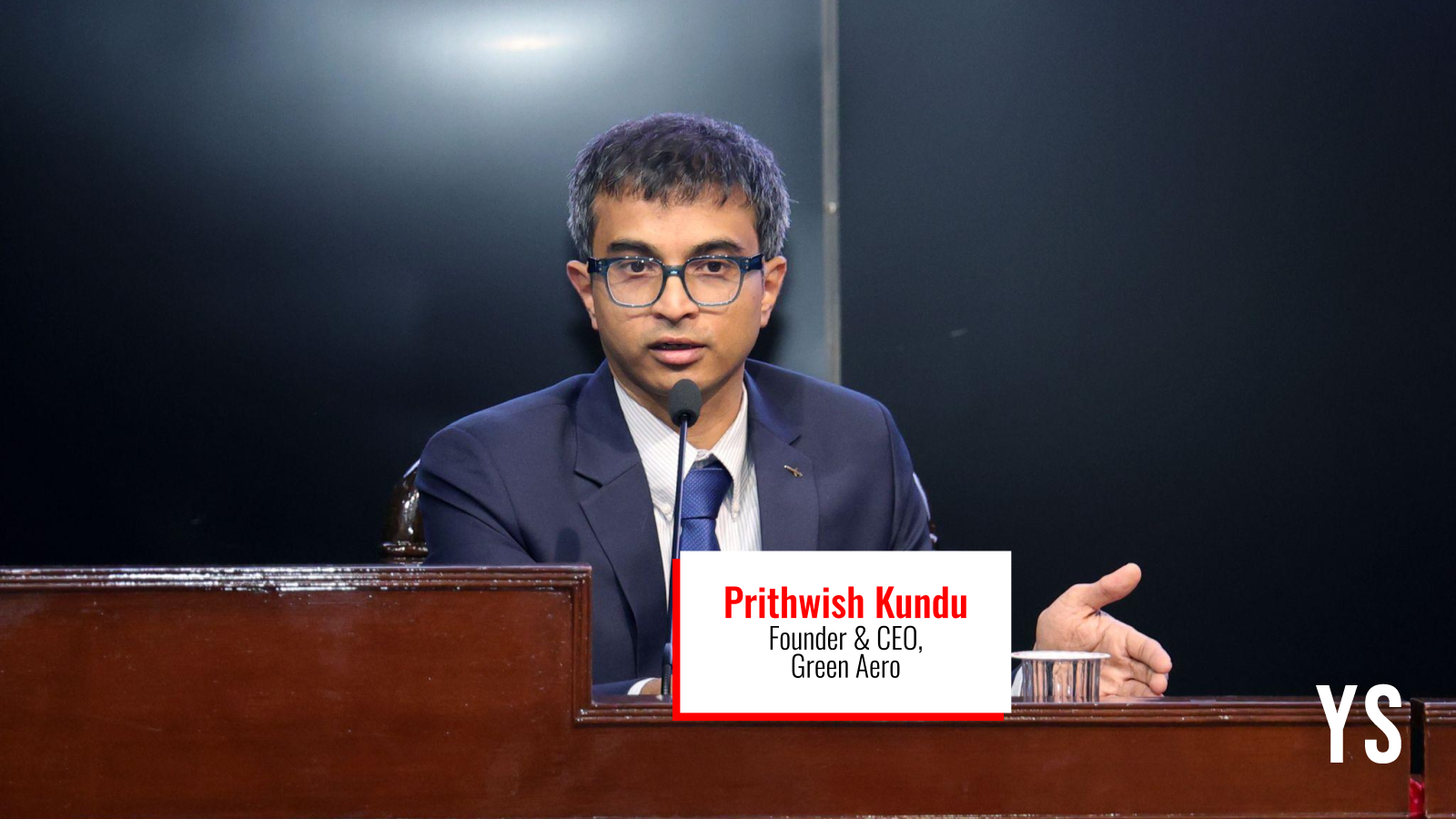
Green Aero raises $14M as India pushes for indigenous jet propulsion
Green Aero, an aerospace and defence startup developing jet engines, military drones and autonomous aircraft, has raised $14 million in a Series A round led by Crane Ventures, an investor focused on artificial intelligence and deeptech. Other participants were 3one4 Capital, an early-stage venture capital firm, and Antler Elevate, Antler’s growth fund, alongside returning backers pi Ventures, a deeptech investor; Antler India; and Rebalance, an accelerator and angel community. Over the next 12 to 18 months, Green Aero plans to expand engine-testing facilities, hire engineers, and advance the flight qualification of transonic and supersonic drones. Transonic flight occurs around the speed of sound, while supersonic flight is faster. The startup also aims to commercialise existing engines, citing early interest from overseas buyers, and bring its drone and combat-aircraft platforms to market. Founder Prithwish Kundu said the funding would accelerate technology development across jet engines, military drones, and collaborative combat aircraft. Founded in November 2023, Green Aero develops propulsion systems, aircraft electronics, flight-control systems, and airframes in-house. Its 50-member team works from an 87,000 sq ft facility in Bengaluru, which houses research, assembly and testing. Founder Kundu had previously worked at Argonne National Laboratory in the US. The startup has also developed the Blue Dragon, an aero-engine core built from scratch in India, and completed more than 100 hot-fire tests of its small jet engines. Building on this propulsion work, it is now developing larger-thrust engines alongside autonomous flight-control systems, onboard computing and navigation capabilities designed to operate without satellite signals. Green Aero's work has received support from Larsen & Toubro, Boeing’s BUILD programme, and SIDBI’s Green-Tech Accelerator. The startup's technologies are intended to support collaborative combat aircraft, uncrewed military planes
- Funding Tracker1 day ago
GIVA raises Rs 90 Cr from BlackSoil for retail expansion
Jewellery brand GIVA has raised Rs 90 crore in debt financing from alternative credit platform BlackSoil, its second fundraise in November. The latest financing comes shortly after GIVA raised over $100 million in a funding round led by Multiples Alternate Asset Management earlier this month. According to the press release, the fresh capital will primarily be used to support store-level capital expenditure and working capital needs as the Bengaluru-based company expands its retail network and omnichannel operations. Founded in 2019 by Ishendra Agarwal, GIVA started as a digital-first silver jewellery brand and has since diversified into gold jewellery and lab-grown diamonds. Its portfolio includes sterling silver, gold-plated, rose gold-plated, gold and diamond jewellery across categories for men, women and children. The company operates through its direct-to-consumer platform, e-commerce and quick-commerce marketplaces, alongside an expanding offline network. GIVA currently has over 400 stores across more than 80 cities in India. The latest financing comes as GIVA continues to build its presence in India's organised jewellery retail market. The company has also attracted investments from several institutional investors and celebrities, including Kriti Sanon and Anushka Sharma. Commenting on the funding, GIVA founder and CEO Ishendra Agarwal said building the right financial and operational capabilities is important as the company expands its retail presence. The funding from BlackSoil will support its store expansion and working capital needs as it scales its omnichannel business and makes design-led jewellery more accessible across India. On the financial front, GIVA's operating revenue grew 89% year-on-year to Rs 518 crore in the financial year ended March 2025, while its losses widened 22% to Rs 72 crore. The company reported revenue of around Rs 865 crore for FY26, according to its earlier November funding announcement. GIVA competes with established jewellery
- Funding Tracker1 day ago
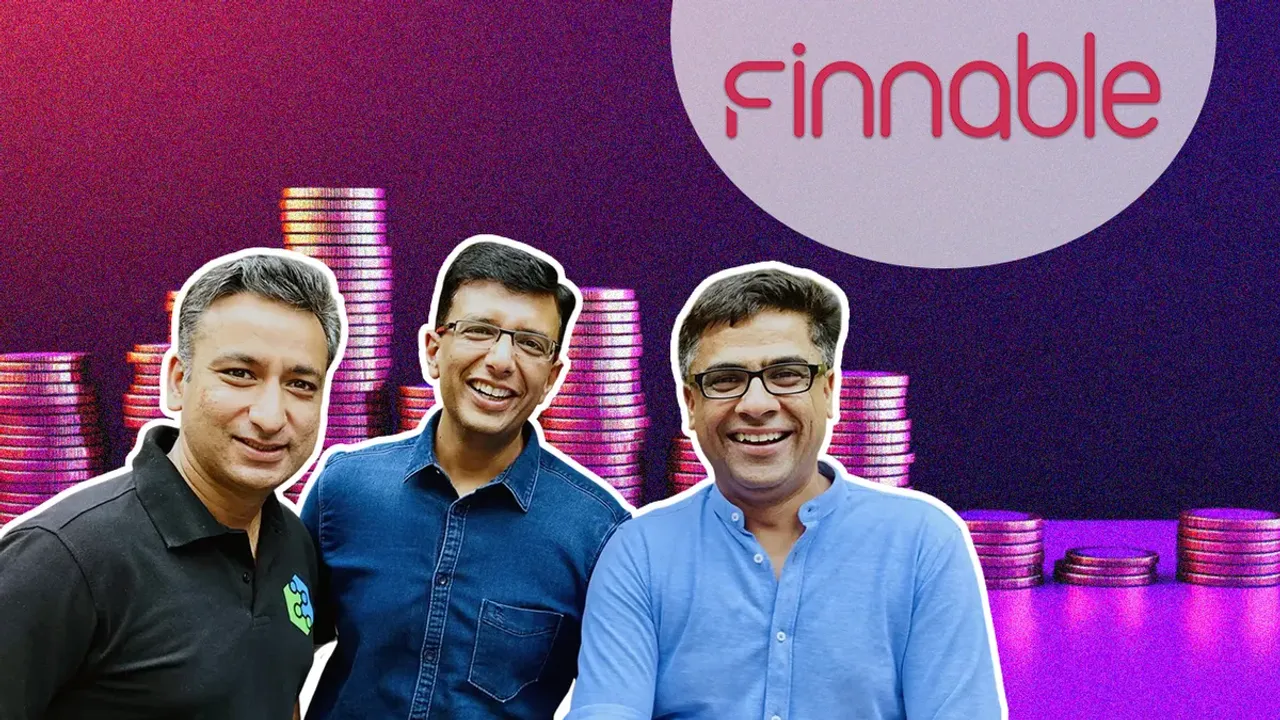
Finnable raises Rs 405 Cr from Bharat Value Fund, Kamath brothers, others
Finnable has raised Rs 405 crore in its Series C round from a mix of new and existing investors as it looks to expand its lending business across multiple products. The round saw participation from Bharat Value Fund, part of Pantomath Group, Pratithi Investments, the investment firm of Infosys co-founder Kris Gopalakrishnan, and NKSquared, the investment arm of Zerodha co-founders Nithin and Nikhil Kamath. Existing investors TVS Capital and Claypond Capital also participated in the round. The fresh capital comes as Finnable's assets under management (AUM) have crossed Rs 4,600 crore. The company also reported a profit after tax (PAT) of Rs 51 crore in the first half of FY27. Founded in 2015 by Amit Arora and Nitin Gupta, Finnable operates a technology-led lending platform focused on salaried professionals. It offers personal loans and loans against property, while also partnering with banks and financial institutions for co-lending. The latest fundraise comes about a year after Finnable raised Rs 500 crore in an equity round led by Z47 and TVS Capital in November 2025. The MEMG Family Office, led by Ranjan Pai, also participated in that round. The company had planned to use the proceeds for technology development, branch network expansion and new product launches. Finnable has been steadily expanding its lending business. Its AUM stood at around Rs 3,000 crore at the time of the previous funding announcement, compared to over Rs 4,600 crore now. The company's financial performance has also improved alongside its scale. Finnable reported consolidated revenue of Rs 278.49 crore and a profit of Rs 6.74 crore in FY25, against Rs 181.7 crore in revenue and a loss of Rs 5.88 crore in FY24. With a larger loan book, improving profitability and fresh capital, Finnable is looking to strengthen its presence in India's competitive digital lending market.
- Funding Tracker1 day ago
Green Aero raises $14 Mn led by Crane Ventures
Bengaluru-based aerospace startup Green Aero has raised $14 million in a Series A funding round led by Crane Ventures. The round also saw participation from 3one4 Capital, Antler Elevate and existing investors pi Ventures, Antler India and Rebalance. Back in July last year, the Delhi-based startup had raised $1.6 million in a Seed funding round led by pi Ventures along with participation from Antler. The proceeds will be used over the next 12 to 18 months to expand its engine testing infrastructure, hire engineers, develop larger-thrust engines and accelerate flight qualification of its drone platforms. Founded in 2023 by Prithwish Kundu, Green Aero is developing jet propulsion systems, avionics and airframes for high-speed drones and autonomous combat aircraft. Green Aero is also looking to commercialise its existing engines, having received early interest from domestic and international buyers. The startup currently generates revenue through the supply of small engines, while larger engine categories are undergoing further testing. The company operates an 87,000 sq ft research, development, assembly and testing facility in Bengaluru, where it is building a vertically integrated aerospace manufacturing stack covering jet engines, avionics and airframes. It has completed more than 100 ground-fire tests and is moving towards flight testing. Green Aero has developed its Blue Dragon engine core, which it says is the first globally to demonstrate air-blast atomisers in the sub-kilonewton engine category. Its engines can operate on diesel as well as jet fuel. The startup is now looking to develop engines in the four-kilonewton-plus category over the next three years. These engines are expected to power larger drones and aircraft capable of operating in the supersonic regime. Green Aero is also developing transonic drones and Collaborative Combat Aircraft (CCAs), autonomous aircraft designed to operate alongside manned fighter jets or independently.
- Funding Tracker1 day ago
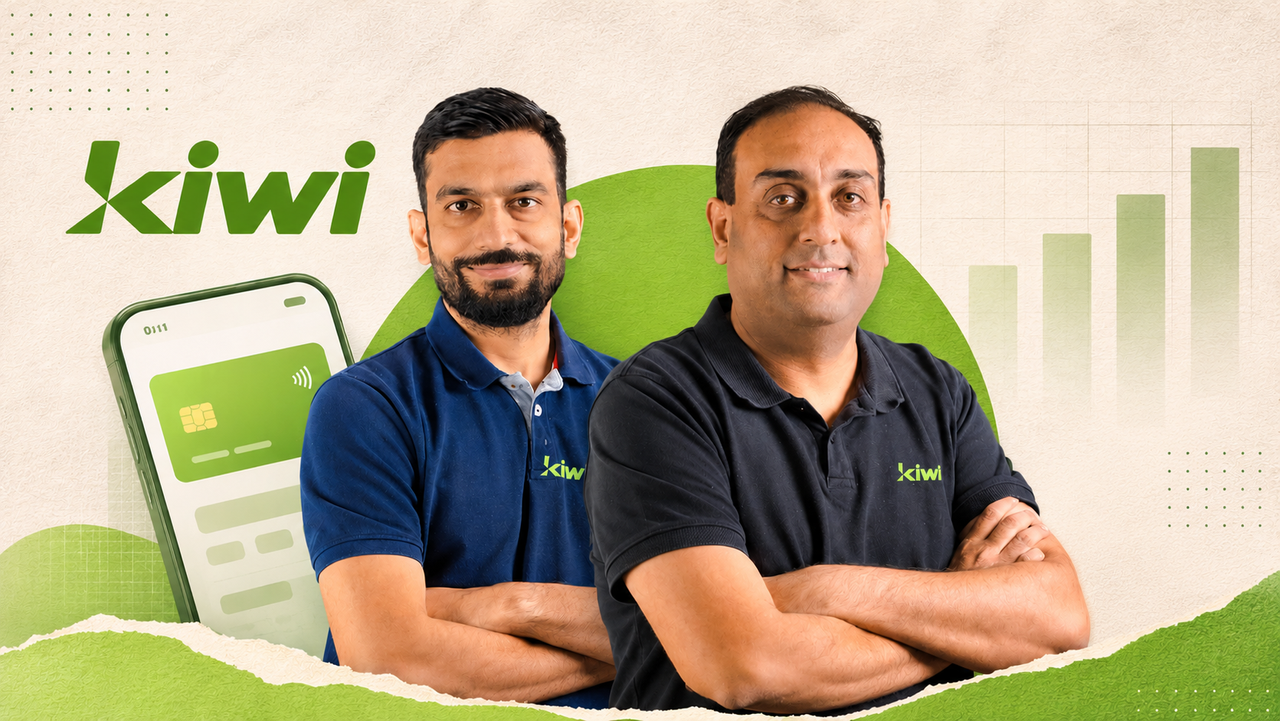
Kiwi spends Rs 105 Cr on ads; earns Rs 16 Cr revenue in FY26
India's credit-on-UPI market has attracted several fintech startups looking to tap the growing adoption of digital payments and RuPay credit cards. Kiwi has built its business around this emerging opportunity, but monetising the model remains a challenge, with the startup generating just Rs 16 crore in operating revenue in FY26 despite spending heavily on customer acquisition and cashbacks. Four years old Kiwi’s revenue from operations jumped over 4 times to Rs 16 crore in the fiscal year ended March 2026 from Rs 3.8 crore in FY25, according to its financial statements filed with the Registrar of Companies (RoC) . Launched in 2022, Kiwi offers RuPay credit cards in partnership with banks such as YES Bank, PNB and AU Small Finance Bank, allowing users to make UPI payments and earn cashback. It also offers Kiwi Postpaid, a bank-backed credit line that lets users make UPI payments even with zero account balance and repay the dues through a monthly billing cycle. The company follows a partnership-led revenue model, earning through revenue-sharing arrangements with banks on card distribution and transaction volumes, alongside potential income from premium memberships and platform fees. Sale of the above-mentioned service was the source of revenue for the firm in FY26. However, it also earned Rs 8.9 crore through interest on fixed deposits and sale of mutual funds that pushed its overall income to Rs 24.9 crore during the last fiscal year. Advertising and promotional expenses remained Kiwi's largest cost centre, potentially covering customer acquisition campaigns, cashback and other promotional incentives. The expense surged 2.7X to Rs 105 crore in FY26 from Rs 38.5 crore in the previous fiscal year, accounting for 68% of the company's total expenditure. Meanwhile, employee benefit expenses increased 15.6% to Rs 26.3 crore in FY26 from Rs 22.75 crore in FY25. This included Rs 5.8 crore in ESOP-related expenses. However, its total expenses more than doubled to Rs 154
- Funding Tracker1 day ago
Zostel moves Delhi HC to revive 7% stake claim in OYO parent
Zostel has approached the Delhi High Court seeking to revive its claim to a 7% stake in Oravel Stays, OYO's parent company, as it moves towards a proposed IPO. The company has challenged a May 2025 order that set aside a 2021 arbitral award recognising its entitlement to the stake following a proposed acquisition of its hotel aggregation business, Zo Rooms, in 2015. During Wednesday's hearing, Zostel argued that the court should have set aside only the relief granted by the arbitrator rather than the entire award. It maintained that the tribunal's findings on the binding nature of the deal and Oravel's alleged breach should have been retained. The dispute dates back to November 2015, when Oravel and Zostel signed a term sheet for the acquisition of Zo Rooms. Under the proposed deal, Zostel's shareholders were to receive a 7% stake in Oravel. Although the term sheet was described as non-binding, Zostel argued that subsequent actions by both parties made it binding. The final agreements were never signed. In 2021, an arbitral tribunal ruled in Zostel's favour. However, the Delhi High Court set aside the award in May 2025, citing a lack of clarity around the specific performance granted by the arbitrator. During Wednesday's hearing, the division bench questioned whether specific performance could be directed when the final agreements had never been executed. The outcome of the appeal could determine whether Zostel's 7% stake claim is revived.
- Funding Tracker1 day ago
Nexent Capital launches $1B fund focused on AI & data centres investments
Nexent Capital IFSC Private Limited, a financial services firm, has launched Nexent Capital ADGM Fund I, a closed-end fund targeting $1 billion in capital commitments for investments in quantum-ready AI infrastructure and advanced energy. The fund can be expanded up to a $1.6 billion hard cap. According to a company statement, the fund is structured as an Abu Dhabi Global Market (ADGM)-domiciled Qualified Investor Fund (QIF), which will serve as the master fund. A GIFT City-based, IFSCA-regulated Alternative Investment Fund (AIF) will act as its feeder. Nexent Capital ADGM Limited is being established as the fund's ADGM-based manager, with the company progressing towards authorisation from the Financial Services Regulatory Authority (FSRA). The statement said Nexent Capital ADGM Fund I will deploy capital across five areas: infrastructure private equity in AI and data-center assets; private credit and structured capital; special-situations M&A; growth equity and PIPEs; and liquid, public equity exposure within the AI and data-center value chain. The Fund has an anchor commitment of $20 million from the Tyagi family office and line of sight to an identified pipeline of quantum-ready AI infrastructure and advanced energy projects across North America and India, including data-center and power assets sponsored by affiliates of the Nexent Capital and Tryfacta platform. On the launch, Adesh Tyagi, Managing Partner, Nexent Capital IFSC Private Limited, said, “ AI is being built on a foundation of physical infrastructure—power, land, and compute—that most capital isn’t positioned to finance at the scale or speed this moment demands. Nexent Capital ADGM Fund I is designed to meet that gap directly, giving institutional and family-office investors a disciplined way to back the infrastructure and energy assets that will underpin the next decade of AI growth.” The statement said, the launch comes as global investors increasingly look to deploy capital into the physical inf
 SponsoredIndian Gifts Portal
Save Up to 45% on Diwali Gifts!
- Funding Tracker1 day ago
Lawvek raises $550,000 pre-seed funding to help enterprises recover money vendors owe
Lawvek, an AI startup that helps enterprises recover vendor overcharges, missed rebates and service credits, has raised $550,000 in a pre-seed round led by Neon Fund, with participation from Inzas Ventures. The San Francisco-based startup, co-founded by Amrit Khandelwal and Sudip Chhatui, said it will use the money to expand its enterprise customer base and strengthen the platform's ability to identify and recover money that vendors owe its customers. What Lawvek does Large companies negotiate prices, discounts and service commitments with their vendors. But the information needed to check whether a vendor has actually honoured those terms is usually spread across contracts, invoices, usage data and service records. Lawvek's AI agents compare contract terms with billing, usage and service records. They flag price increases that go beyond agreed caps, volume discounts missing from invoices, and prepaid capacity that teams are on track to leave unused. When a vendor owes a rebate or a service credit, Lawvek calculates the amount, gathers the evidence and files the claim on the customer's behalf. It then follows up with the vendor and checks that the credit shows up on an invoice or that the customer receives a refund. Khandelwal, who is the CEO, explained the gap with an example from healthcare procurement. "Say a health system negotiates a $2 rebate on every case of exam gloves if its hospitals buy 100,000 cases in a year. As soon as those hospitals reach the threshold, the supplier owes the health system $200,000. Every invoice can be correct, and the health system can still miss the entire rebate," Khandelwal said. "Across industries, companies negotiate prices, discounts and service levels, yet still miss overcharges, earned rebates and credits for outages. Lawvek checks vendors' bills and performance against their contracts. When a vendor owes money, Lawvek gathers the evidence and follows up until the company receives a credit or refund," he added. Lawvek points
- Funding Tracker1 day ago
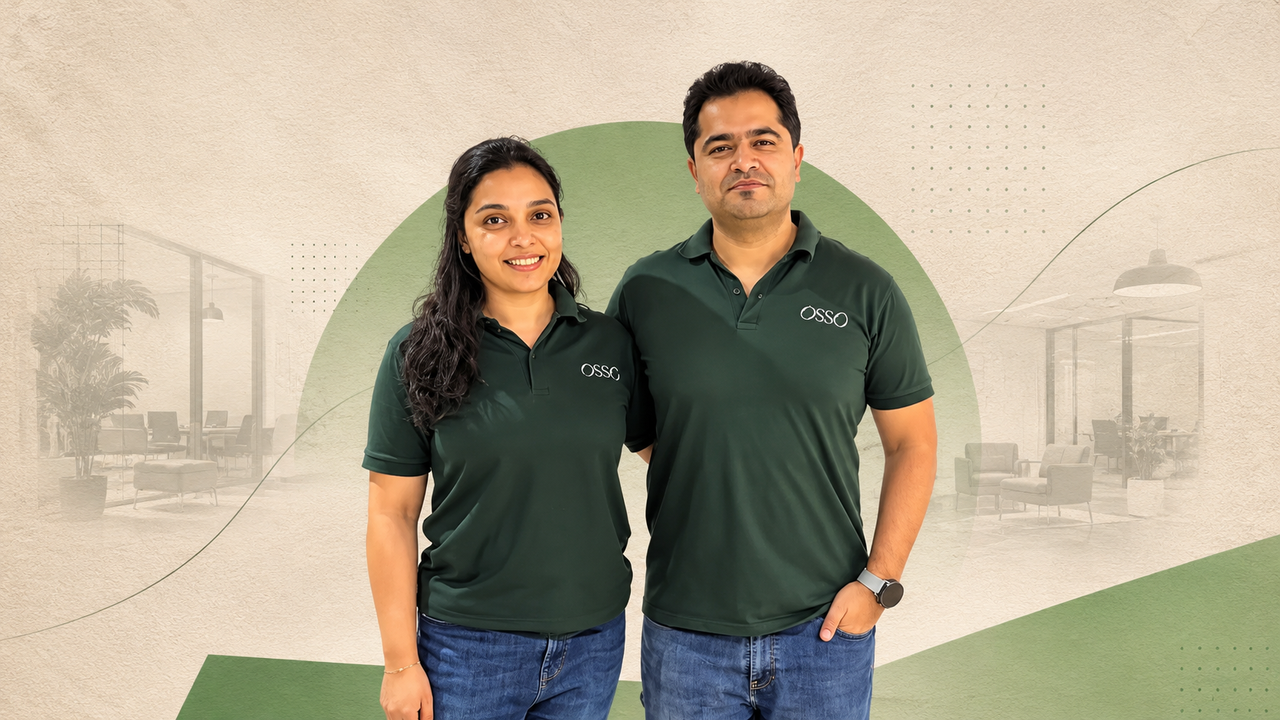
Orthopaedic healthcare startup OSSO raises Rs 2.5 Cr in extended seed round
Gurugram-based orthopaedic healthcare startup OSSO has raised Rs 2.5 crore as part of its extended seed funding round. The company will use the fresh capital to expand its clinical capabilities and presence across the National Capital Region (NCR), OSSO said in a press release. The extended round saw participation from Rajeev Saraf, Tejinderpal Miglani, Priyanka Aggarwal, Akshay Varma and Vikas Bhadoria. They join existing investors, including Umesh Kumar Agarwal from the Haldiram Family Office, Sahil Jindal and Blume Founders Fund, among others. Founded in 2025 by Kunal Kishore Dhawan and Avani Shukla, OSSO operates an integrated orthopaedic and rehabilitation centre that combines clinical orthopaedics, physical medicine and rehabilitation (PM&R), physiotherapy, regenerative orthopaedics and sports injury care. The startup's newly launched centre will focus on advanced orthopaedic procedures, particularly joint preservation and sports injury treatment. The facility will offer procedures such as image-guided orthobiologic interventions, subchondral bone marrow aspirate concentrate (BMAC) and arthroscopic cartilage repair. Several of these treatments are minimally invasive and can be performed as day-care procedures. The new centre will operate alongside OSSO's flagship clinic in DLF Phase 4, Gurugram. This will allow the startup to integrate patient care across diagnosis, procedures and rehabilitation. OSSO plans to expand its presence across NCR in 2027, with five to six additional clinics and surgical units. It also plans to onboard more orthopaedic surgeons as it builds a doctor-led platform focused on orthopaedic care. The startup aims to build a network that brings specialised clinical services, surgical capabilities and rehabilitation under one platform.
- Funding Tracker1 day ago
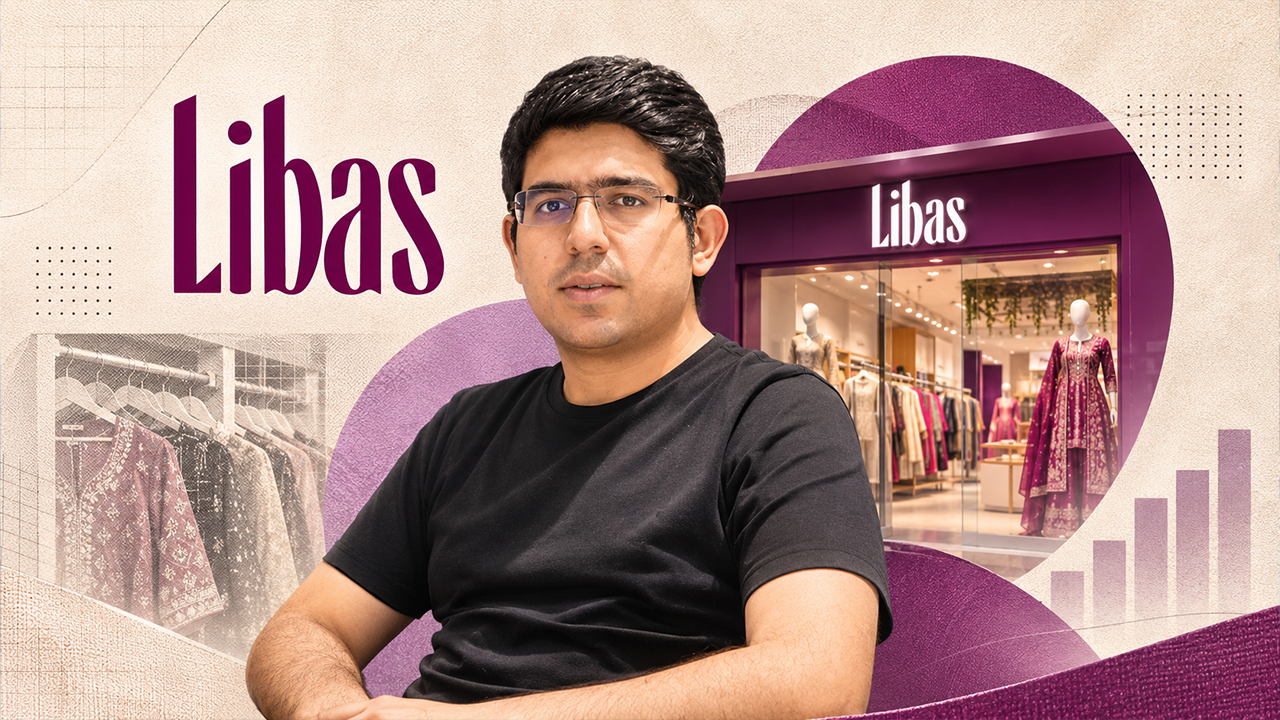
Libas’ revenue grows 19% to Rs 726 Cr in FY26; losses narrow marginally
India’s ethnic wear market is seeing growing competition from established brands such as Biba, Manyavar and Fabindia, alongside newer labels targeting demand for contemporary ethnic and fusion wear. Players such as Libas are building an omnichannel presence with traditional designs and affordable pricing, as online shopping and organised retail open up opportunities beyond metro cities. However, rising competition and sourcing, marketing and distribution costs remain key challenges. Against this backdrop, Gurugram-based Libas continued to expand its business in the financial year ended March 2026, with revenue from operations growing 19% year-on-year to Rs 726 crore. However, the ethnic wear brand remained in the red, although its net losses narrowed marginally during the year, as per its financial statements filed with the Registrar of Companies (RoC). Founded in 1985, Libas is a women's fashion brand offering ethnic and fusion wear, including kurtas, suits, sarees, lehengas, dresses and bottom wear. The brand caters to traditional and contemporary fashion preferences through its online platform and offline stores, with apparel sales remaining its sole source of revenue in FY26. In terms of cost structure, cost of materials consumed remained the largest expense head, up 34.6% to Rs 426.7 crore in FY26 from Rs 316.9 crore in FY25. It accounted for around 57.4% of the company's total expenses. Employee benefit expenses, the second-largest cost component, increased 53% to Rs 67.7 crore from Rs 44.3 crore. Advertising and promotional expenses also grew 17.9% to Rs 66 crore from Rs 56 crore. Meanwhile, selling and distribution costs declined 20.2% to Rs 46.1 crore. Fabrication expenses, which cover costs related to garment stitching, processing and finishing, also fell 32.5% to Rs 40.35 crore during the year. Other operating and administrative overheads such as rent, legal & professional, transportation and others also contributed to increase in overall expens