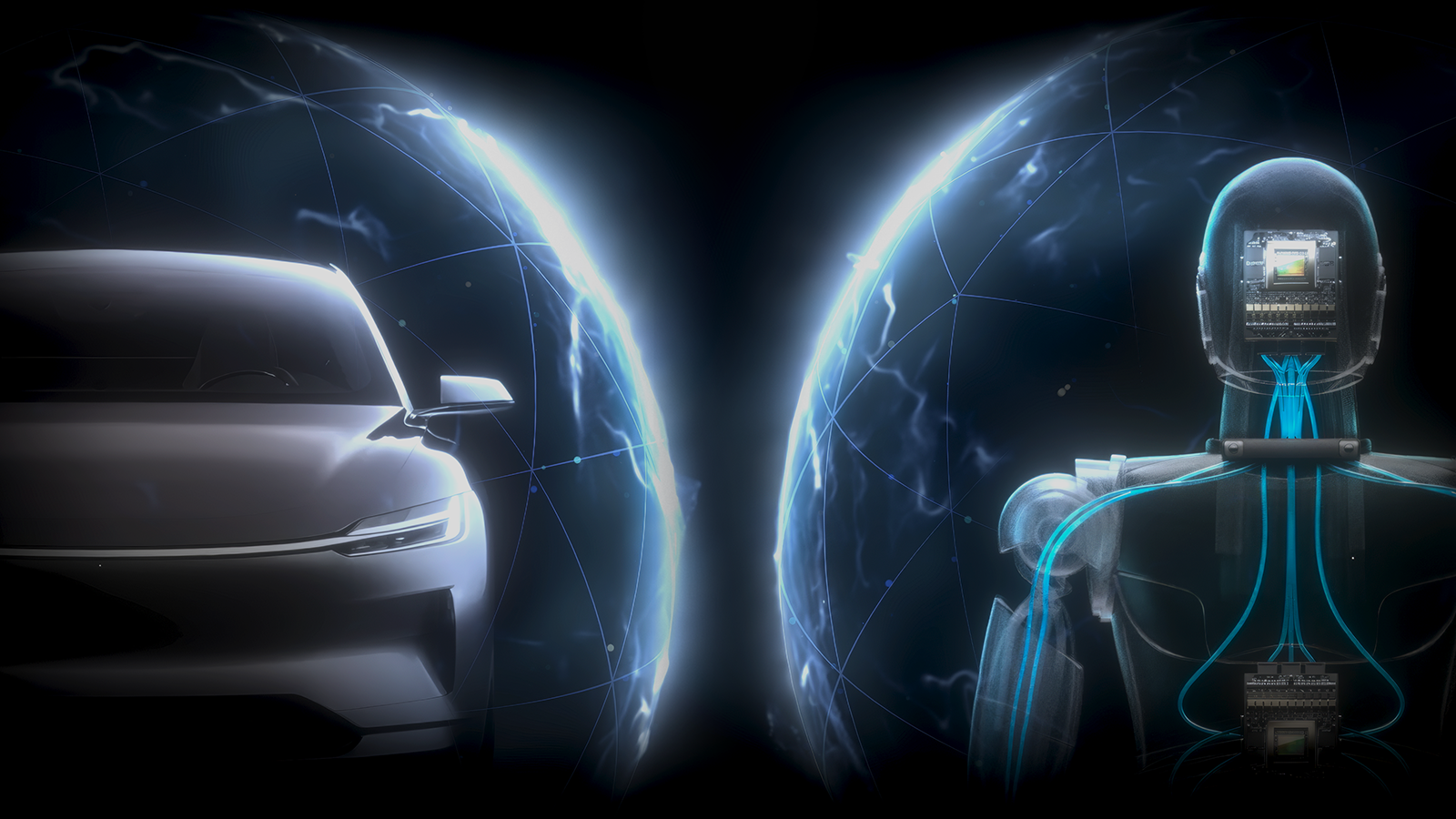
Physical AI is moving rapidly from research to large-scale deployment. By 2035, ABI Research projects an installed base of 49 million level 3-5 autonomous vehicles (AVs), while Omdia estimates that roughly 60 million industrial robots will be deployed between 2026 and 2035. As these machines enter roads, factories, warehouses and other environments shared with people, safety must scale with them.
Physical AI safety means proving that AI-driven machines — AVs, humanoid robots, industrial robots and more — behave safely when their decisions turn into physical action. That requires safety across the hardware, software, AI, operating environment and deployment lifecycle — not a one-time check before deployment.
After years of testing and benchmarking, AVs continue to expand commercially. That progress has required developers to demonstrate how automated systems address potential hardware and software failures, limitations in intended functionality and AI-specific risks.
Robotics is approaching a similar inflection point as autonomous machines move into factories, warehouses and other environments shared with people.
Across physical AI, manufacturers, regulators, insurers and workplace safety teams need evidence that hardware, software, AI behavior and operating environments can work together safely without human intervention.
Together, these shifts require safety to be operationalized across design, deployment and validation, from the underlying hardware to AI behavior and the operating environment.
Physical AI safety requires specialized engineering, data, processes and validation that few companies can reproduce alone. NVIDIA’s safety foundation draws on more than a decade of development in AV safety, building expertise in functional safety, sensor fusion, AI behavior assurance, vision AI, simulation and real-world validation.
Source link