For years, manufacturers have worked to automate specific tasks. Machines have become faster, robots have taken on repetitive jobs, and software has improved precision. Now the industry is taking the next step: connecting these advances across the wider production system.
The next development is a manufacturing system that brings together knowledge and data to support smarter decisions.
Companies are increasingly shifting toward adding AI to industrial software and production workflows. It matters because modern factories create huge amounts of information, but much of it is still spread out across systems, databases, manuals, and experienced workers.
Modern production lines can make very complex parts with great precision. Yet the expertise behind these processes is often spread out in technical documents, software, and among experienced workers.
This becomes a problem when information cannot easily move between different parts of production.
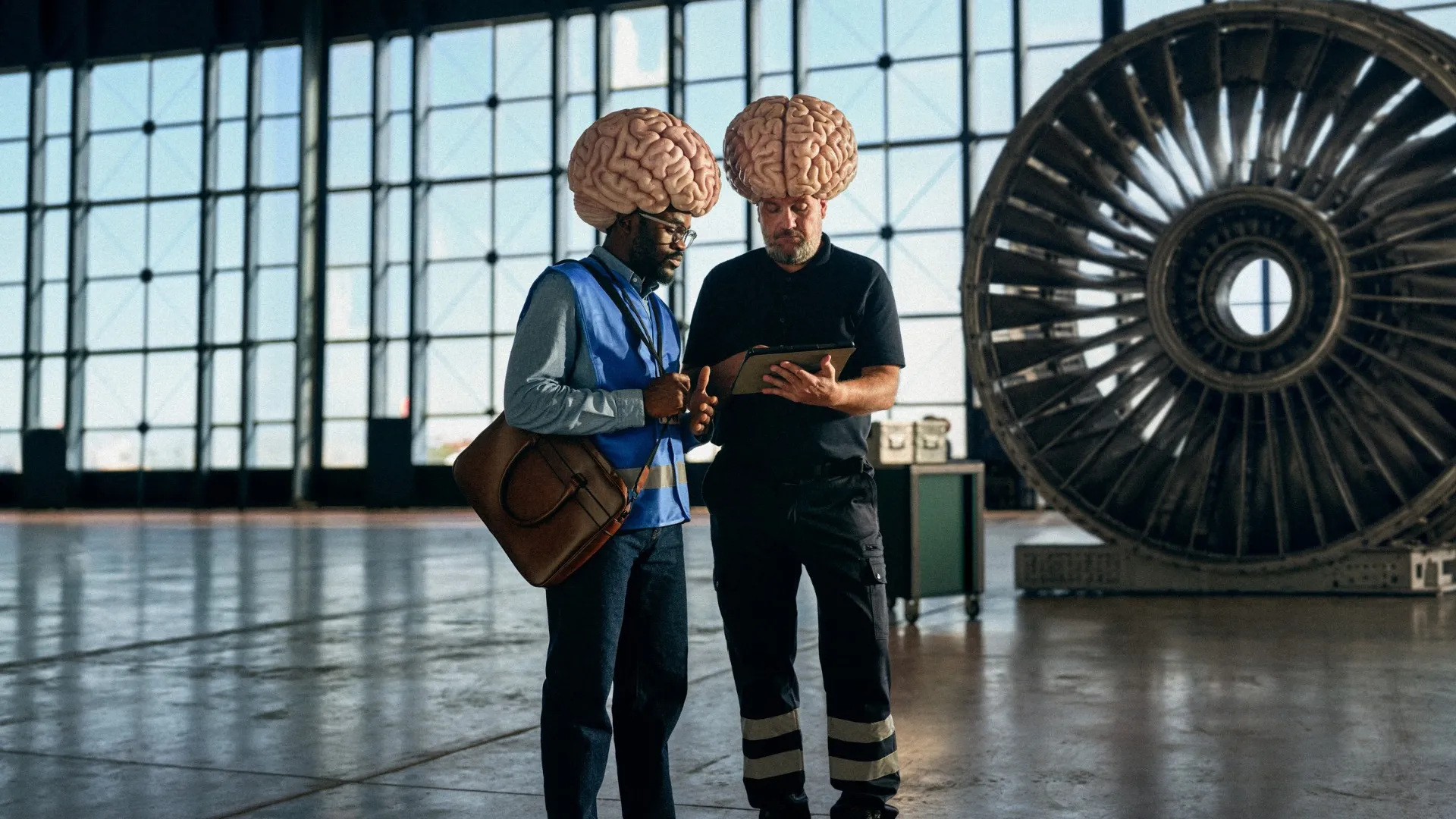
An engineer may know why a particular machining approach works. A programmer may have the relevant data in another system. A machine generates valuable production information, while inspection equipment records what happened to the finished component. When these sources remain separated, much of that knowledge is difficult to use elsewhere.
Automation has made single operations very efficient. The next step is to connect the knowledge, data and expertise around them.
This is where AI is changing how manufacturing software works. Instead of simply storing information, software can now help people find and use engineering knowledge as they work.
One example comes from Sandvik, where Manufacturing Copilots bring specialist knowledge into the software environments where engineers and programmers are already making decisions.
Source link