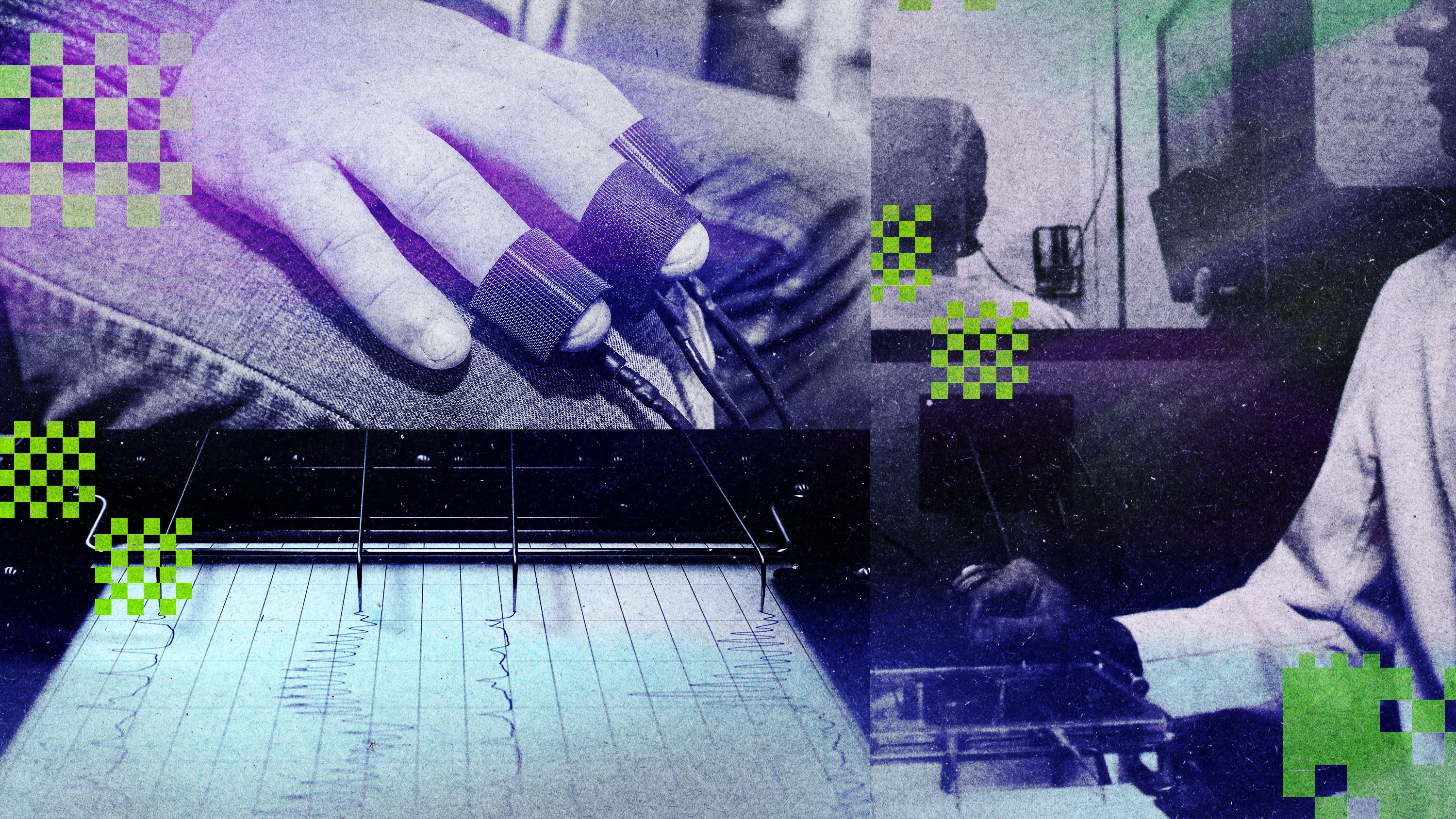
The US government wants to spend $30.3 million over the next five years on an improved form of lie detector, according to a Department of Defense budget request. The program, called “Polygraph+” or “Polygraph Next”, will focus on scoring algorithms that use artificial intelligence and machine learning and on a technique called “standoff sensing”, which refers to the ability to take physiological readings from a subject without attaching a device to their person.
According to details of the budget document, which were first reported by Inside Defense, the project will “modernize federal polygraph and credibility assessment technologies” to improve their accuracy and reliability. But the project may be just the latest in a long line of failed attempts to use technology to detect lies. “It’s a misguided effort to reduce the complex to something that is tangible,” says Kyri Kotsoglou, a professor at Northumbria Law School in the UK who studies the use of polygraphs in the justice system.
The move comes at a time of high tension within the Department of Defense. Under Defense Secretary Pete Hegseth, the Pentagon has been increasingly turning to polygraph tests in an attempt to find the sources of alleged leaks to the press. In September, the New York Times reported that around 50 officers on the Joint Staff had been given polygraph tests after news coverage reported on depleted US weapons stockpiles in the war with Iran.
Polygraph+ will be run by the Defense Counterintelligence and Security Agency (DCSA), which conducts background checks for the federal government.
Source link