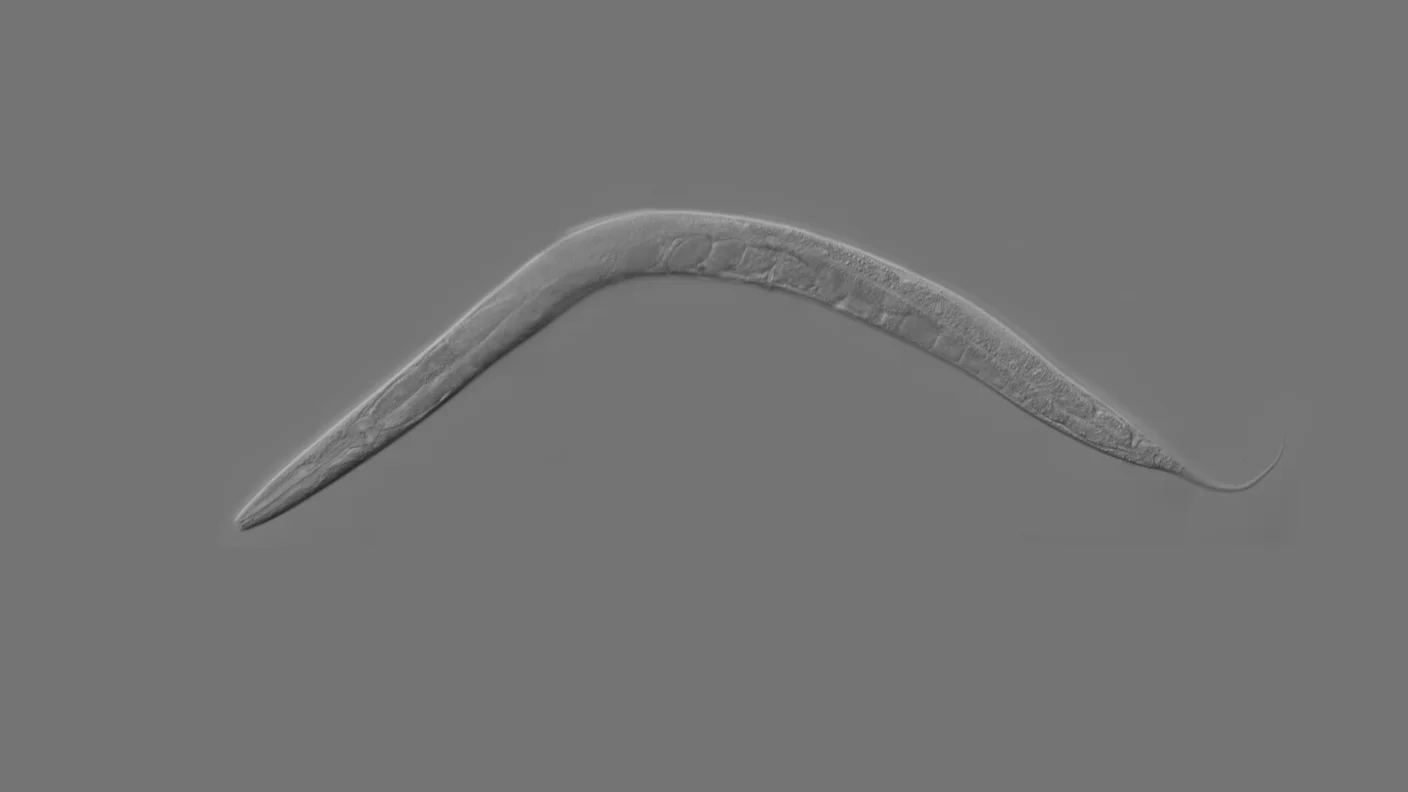
By chilling roundworms, scientists traced a molecular pathway hinting at one way cold might extend lifespan.
From ice baths and cold showers to whole-body cryotherapy, cold exposure has long been hyped as a wellness shortcut. The supposed benefits include boosted dopamine, weight loss, stronger immunity, or even slower aging.
Scientific evidence for these claims is scant, but a telltale link between temperature and longevity has intrigued scientists for over a century. Lowering ambient temperature by just a smidge can extend lifespan in the roundworm C. elegans, fruit flies, and even mice. Plenty of mechanisms could explain the curious effect, but scientists are still largely in the dark.
A new study may shed some light on the matter. When scientists grew roundworms at moderately cold temperatures, the worms steadily ramped up production of BH2, a helper agent for many enzymes, including those that build brain chemicals. Though initially produced in our muscles, BH2 roams to other parts of the body too, including the intestines and brain. Here, in the study, it boosted tyrosine production and contributed to a longer lifespan.
Mapping a longevity pathway in worms isn’t just about satisfying scientific curiosity. When the scientists supplemented human cells with BH2 or tyrosine, the treatments fended off toxic protein clumps associated with neurodegenerative diseases.
But don’t go ordering tyrosine just yet. A biological response in cells doesn’t automatically translate into a health benefit, especially one as complex as slowing aging. While worms are a useful model in longevity studies, they’re a far cry from humans.
Source link