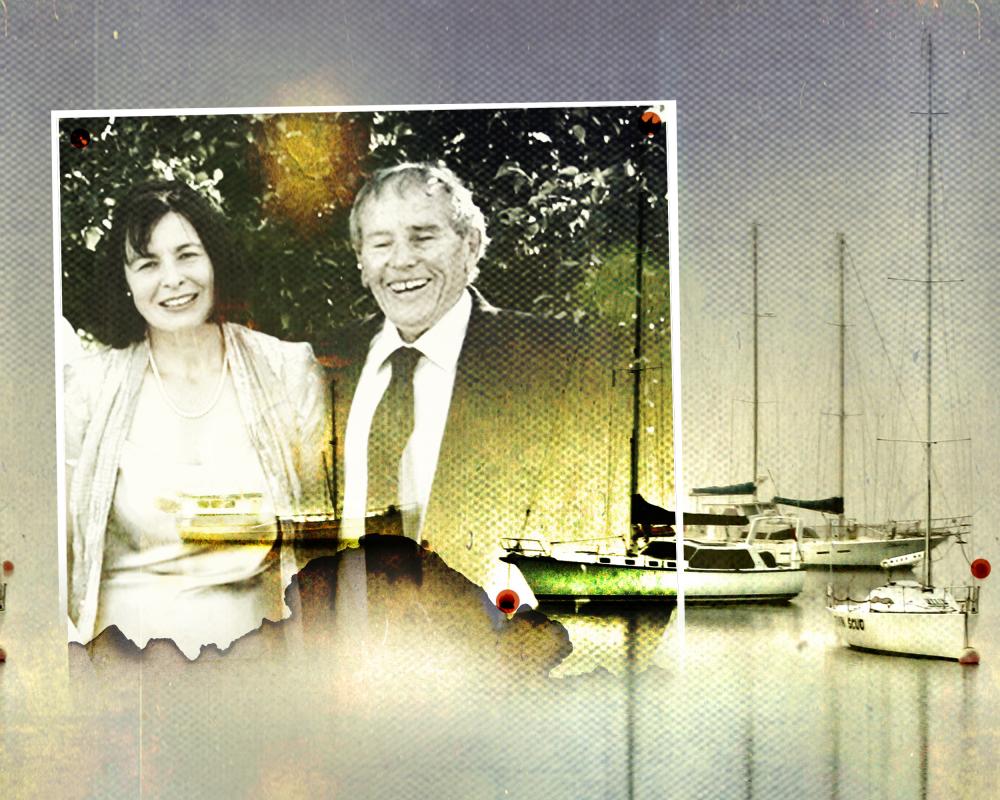
Tasmania’s Parole Board used a document citing legal authorities that do not exist to prevent Susan Neill-Fraser from proclaiming her innocence. Advocates say the case is ‘deeply troubling’
On 26 January 2009, a troublesome yacht called the Four Winds was moored on the Derwent River in Tasmania.
Bob Chappell, a physicist at the Royal Hobart hospital, was on board the 53ft ketch. The 65-year-old was trying to fix yet another issue with the yacht he had bought for $200,000 less than four months earlier.
The next morning, a passerby noticed the Four Winds was sitting particularly low in the water, as if it were sinking.
On board, police uncovered what may have been blood, and what looked like efforts to sabotage the boat. A dinghy used to travel between the yacht and the shore was found bobbing against rocks nearby.
On 20 August 2009, detectives charged Susan Neill-Fraser, Chappell’s partner of 18 years, with his murder.
She maintained her innocence in the days after his disappearance, and has done so in the 17 years since – through her trial, conviction and appeals all the way to the high court.
Neill-Fraser’s case has long been a topic of conversation in Tasmania, in part because of her loyal and vocal band of supporters, but it has infrequently made headlines on the Australian mainland.
That changed this month when the Tasmanian government was forced to defend how AI is used within its justice system.
The state’s Parole Board banned Neill-Fraser from speaking to the media, at least in part because of a document said to outline a series of previous court decisions that justified such a condition.
Source link