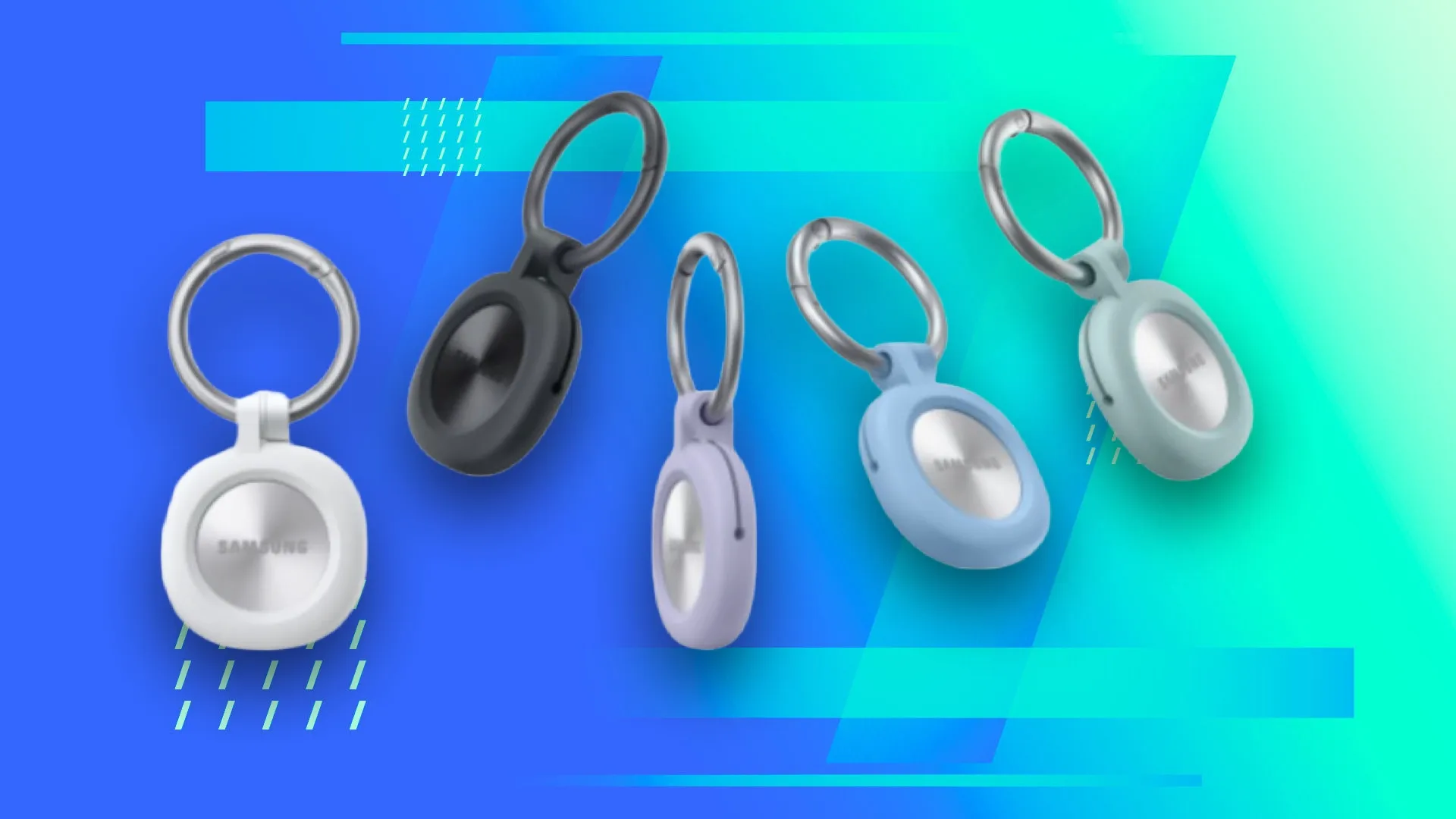
The Galaxy SmartTag 3 supports emerging Bluetooth tracking tech, but it's not a match for Samsung's OS exclusivity.
Samsung’s Galaxy SmartTag 3 is now available for purchase in the US, promising a smaller, lighter design than previous generations, compatibility with iOS devices, 550 days of battery life, an NFC-powered Lost Mode, Left Behind Alerts, and an IP67 dust- and water-resistant rating.
Though the Galaxy SmartTag 3 is compatible with iOS devices, the features available to Apple fans are limited, with Ring Phone, Left Behind Alerts, and Compass View reserved for Galaxy users. Compass View is enabled by Bluetooth Channel Sounding, an upgraded Bluetooth distance-finding technology. Despite Samsung embracing a low-cost boost to device tracking, Channel Sounding is locked inside the Galaxy ecosystem, a blow to the technology’s intended purpose.
Channel Sounding is also Google’s Pixel Tag and Motorola’s Moto Tag 2, but these manufacturers open the technology to all compatible Android phones. However, Samsung’s SmartTag 3 doesn’t rely on Android’s vast but fragmented Find My Device network; instead, Samsung’s take on Channel Sounding will rely exclusively on the Galaxy Find Network. If a semi-closed ecosystem can help make evolving Bluetooth tech more reliable, does it matter that its implementation is counterproductive?
Samsung is the Goldilocks of device ecosystems. It’s not considered a walled garden like Apple, but it’s not as open to full third-party interoperability as Google. Many of Samsung’s most useful features are reserved for use within its Galaxy ecosystem. However, Samsung’s OS is built on top of Android, allowing for more flexibility than iOS, but still offering OS-exclusive features and, more importantly, feature reliability.
Source link