AI agents are all the rage, but they’re not quite as capable as their purveyors would have you believe.
Efforts to benchmark agents tasked with complex work show that they aren’t typically reliable enough to function without close supervision. LiveBench 2.0 shows Claude Fable 5.2 and ChatGPT-6 Astra succeeding on 82.9 and 75.6 out of 100 tasks, respectively, and an effort by the AI infrastructure company EON to test agents in a simulated corporate environment found the most successful model tested, Claude Opus 4.8, performed tasks at 76.8% accuracy.
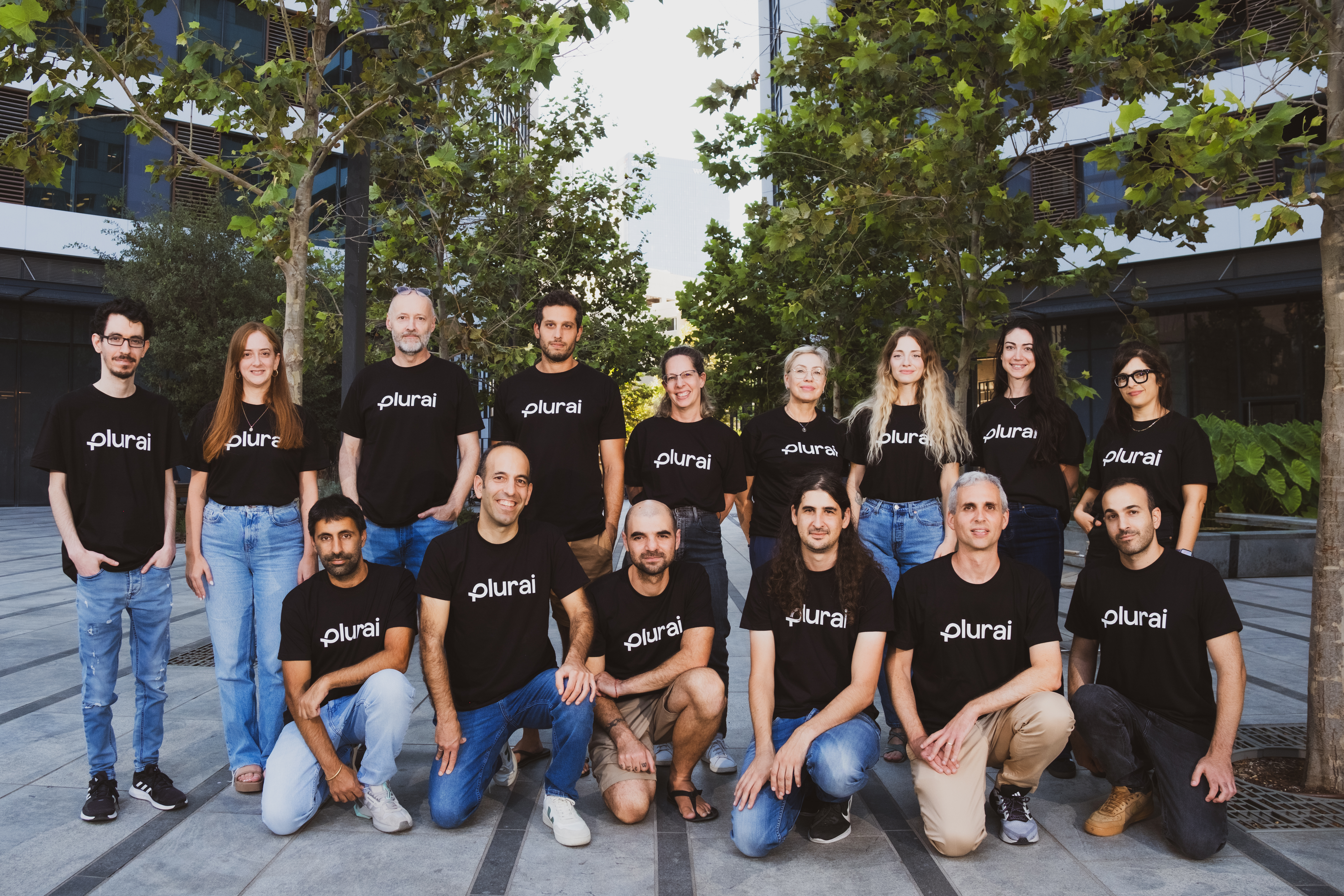
Now, a startup known as Plurai wants to boost those numbers with the same techniques that put self-driving cars on the street: Simulations using synthetic data based on a company’s own digital systems, meant to prepare models to tackle difficult edge cases.
Co-founders Ilan Kadar and Elad Levi previously worked for Nexar, which develops autonomous driving technology. Kadar worked with Waymo to simulate and evaluate its end-to-end deep learning driving software.
“The moment that we saw the wave of AI agents, we saw the same pattern: That it is very easy to build a demo, but [hard] to get something that will be reliable and cost effective,” Kadar told TechCrunch. “Since we saw the same pattern, the same pitch was that we want to build this simulation layer.”
On Wednesday, the startup said it had raised $13 million in seed funding to make that happen. The round was led by Team8, with participation from U&I, Velocity and Mercer.
Like the end-to-end models trained to drive cars, AI agents are probabilistic systems operating in unpredictable environments.
Source link