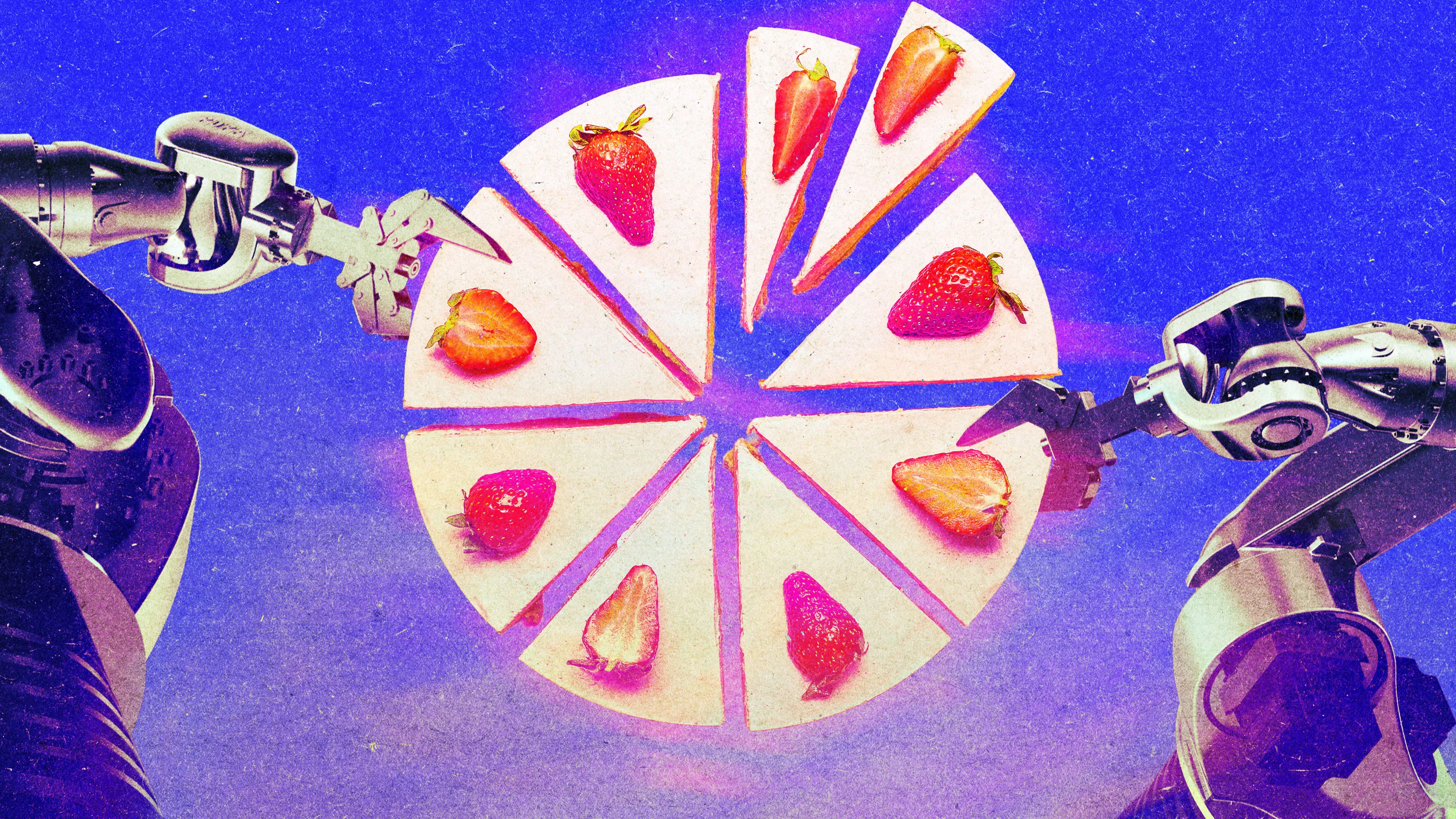
A new approach known as “reverse game theory” aims to create incentives for powerful AI models that make following the rules the most rational choice.
As AI models become more capable, safety researchers are scrambling to ensure they are “aligned” with human desires—to make sure, in other words, that rogue agents don’t break the law, hack into unauthorized servers, or release poison gas into major cities and kill us all.
Until now, this work has mostly focused on trying to peer into an AI’s “brain” to understand what it is “thinking,” or training models to hew to values that we hold dear. Claude, for instance, has its constitution—a sort of moral code.
The trouble is, these techniques don’t seem to work particularly well: Models have been shown to deliberately underperform on tests, hide their intentions, and mislead their evaluators.
Now some alignment researchers believe that reverse game theory, also known as mechanism design, might get better results. Where game theory tries to predict how rational actors will behave when given a particular set of rules, reverse game theory attempts to design rules that will elicit the kinds of behavior we want to encourage.
An example of mechanism design in the real world might be the classic strategy for splitting a piece of cake in two: One person cuts the cake and the other gets the first choice of pieces. This incentivizes the cutter to make the pieces as even as possible. Other examples include surge pricing in ride-hailing apps, which encourages drivers to be available at busy times, and second-price auctions, where the winning bidder pays the price of the second-highest bid instead of the highest.
Source link