Sky-high oil prices and geopolitical turmoil have made less of a dent than feared … just don’t bank on it to last
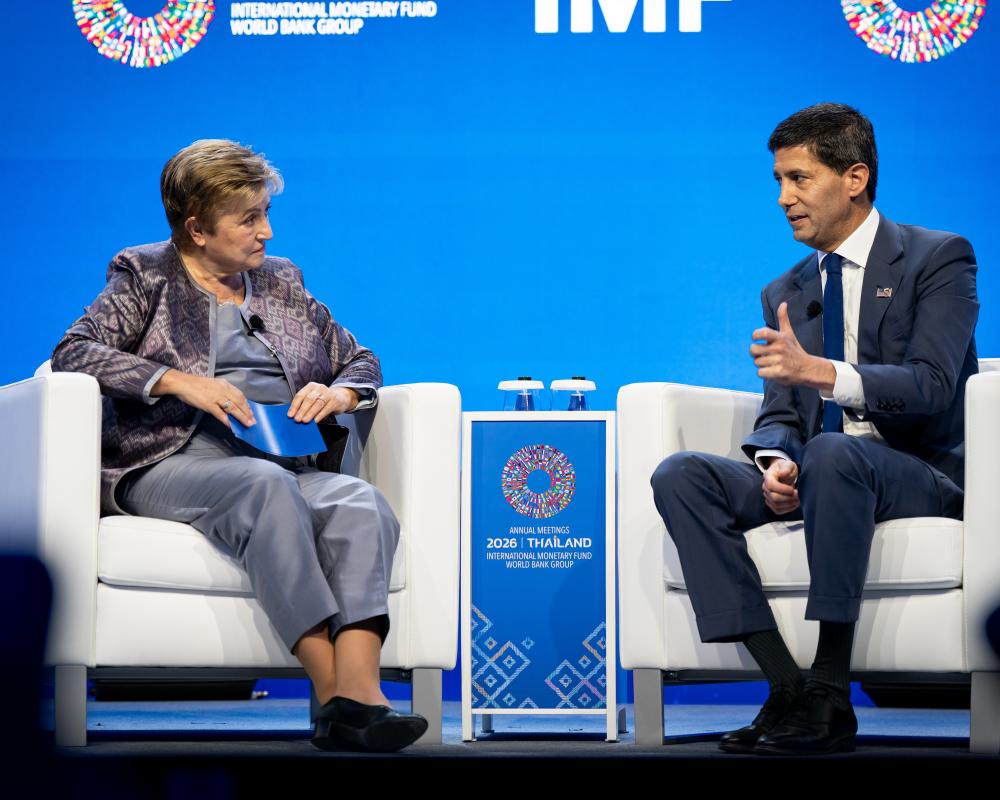
Inside the vast, glass-walled Queen Sirikit conference centre in Bangkok, the air-conditioned atmosphere was calm as policymakers from more than 100 countries gathered this week for the International Monetary Fund’s annual meeting – and contemplated the surprising strength of the global economy.
A small army of smiling, uniformed Thai staff were on hand to explain the baffling geography of the heavily guarded building, where lunch options were as cosmopolitan as the delegates – including, improbably, a Burger King.
“Resilience” was the buzzword at one event after another, after six months in which sky-high oil prices and geopolitical chaos have made less of a dent in the global economy than first feared.
Growth has not fallen off a cliff, buoyed up by the AI investment boom; stock markets haven’t crashed. “We had Covid, the war in Ukraine, supply-chain shocks, the war in Iran, and the alarm bells go off. And yet we haven’t had that massive synchronised crisis. So I think there’s this feeling that a lot of countries are sort of defying gravity at all income levels,” said Clemence Landers, the vice-president of the Washington-based Center for Global Development.
Yet the IMF was also keen to remind delegates that the resilience of the past six months had been bought at a cost and may not last. The message – “Resilience under strain, urgent choices” – leapt out from the front page of its flagship publication, the World Economic Outlook (WEO).
Source link