This article has been reviewed according to Science X's editorial process and policies. Editors have highlighted the following attributes while ensuring the content's credibility:
For three years, Ethan Mock worked part time at a gym to make ends meet while taking on more than $100,000 in debt to pursue a degree in business administration. Earlier this year—his fifth and final at Northern Arizona University—he began looking beyond his major for a stable career.
So in July, when he learned over the radio about a tuition-free, three-month semiconductor crash course at Rio Salado College, he signed up immediately, despite having no background in the field. The draw: the community college's new program offered students a chance to interview with major chipmakers in Arizona.
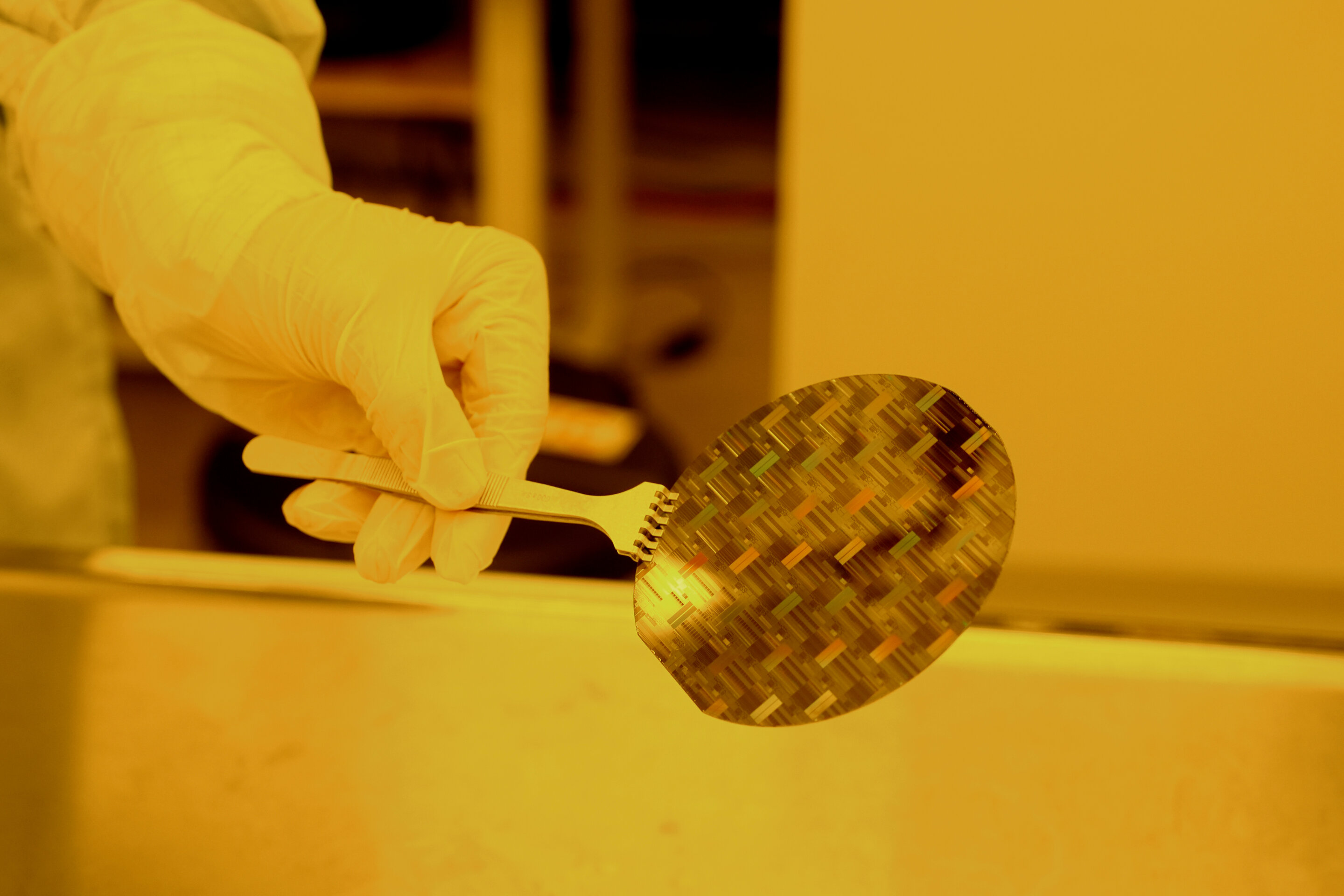
Two months later, clad in protective gear inside a lab, Mock was operating advanced machinery used to turn thin slices of silicon into semiconductor chips that power smartphones, robotics and data centers.
"I do want to be in a booming industry," said Mock, 23. "It was very exciting to get right into the meat and bones of the semiconductor manufacturing, which is really cool."
Learning alongside him were a 64-year-old middle school teacher, a software developer in his 50s who recently was laid off, gig workers without degrees and younger students considering alternatives to a traditional college degree.
The cohort is enrolled in a highly specialized chip-manufacturing course that's part of a growing network of short-term, hands-on programs at community colleges. Their goal is to fill entry-level positions, such as technicians who maintain and service production equipment, more quickly.
Source link