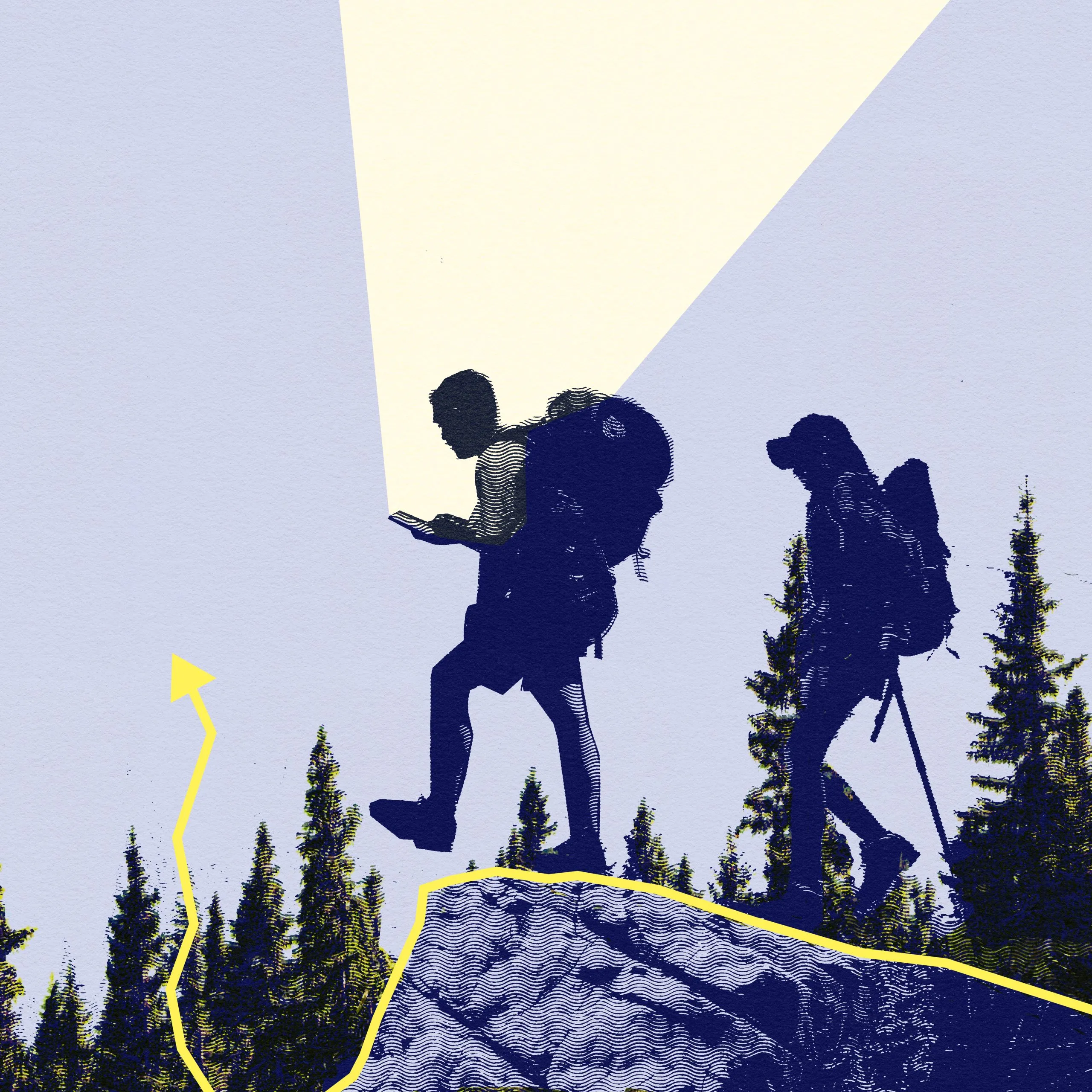
By the time the three hikers called for help from a rocky face on Mount Shasta in Northern California, they’d made a series of bad decisions. They didn’t bring enough food, and they’d overestimated their fitness. Instead of turning back in late afternoon when they hadn’t yet reached the top, they summited at 7:30 pm and had to descend in the dark. Their lack of preparation and poor planning, as they admitted later, came partly from relying on Google’s artificial intelligence chatbot Gemini. By morning, they were lost on a gnarly part of the mountain, and one hiker had banged up his knee.
“We get plenty of people who come unprepared or don’t do any research at all. To these guys’ credit, they did try,” said Nick Meyers, US Forest Service program manager of the Mount Shasta Wilderness Climbing and Avalanche Center, which responded to the call. “But I think they kind of turned their brains off.”
The three 20-year-olds aren’t the only ones making missteps in wild spaces with the help of artificial intelligence. Another Mount Shasta visitor pitched her tent near a “No Camping” sign, insisting she had a right to do so because AI told her she could, Meyers said. His team also encountered a man wandering around at a trailhead with an AI-generated map that showed prominent features on the wrong side of a nearby mountain. In British Columbia, a helicopter crew rescued a 16-year-old hiker from a ledge in the Widowmaker Arete on the back of Crown Mountain.
Source link