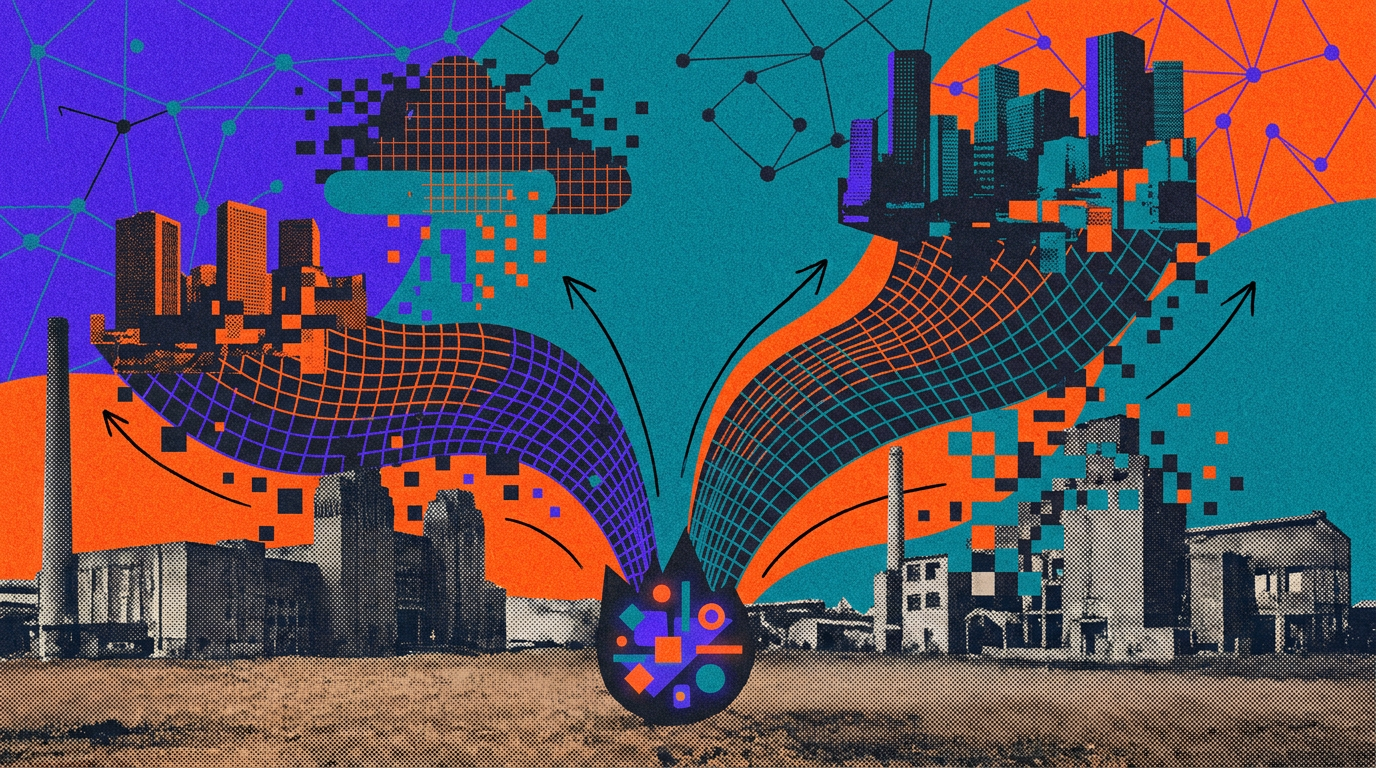
Agentic environments define everything an agent needs to perform a task: the tools, APIs, credentials, execution context, and nothing else. They bring clarity, safety, and sandboxed control to agent behavior.
These environments can be used for both training and deployment, and serve as the foundation for scalable agentic development.
Modern AI agents can act autonomously across thousands of tasks. However, a large language model isn’t enough to get those tasks to actually run — it needs access to the right tools. Exposing millions of tools directly to a model isn’t reasonable (or safe). Instead, we need agentic environments: secure, semantically clear sandboxes that define exactly what’s required for a task, and nothing more. These environments handle the critical details:
To supercharge this next wave of agentic development, Meta-PyTorch and Hugging Face are partnering to launch a Hub for Environments: a shared space where developers can build, share, and explore OpenEnv-compatible environments for both training and deployment. The figure below shows how OpenEnv fits in the new post-training stack being developed by Meta, with integrations for other libraries like TRL, SkyRL, and Unsloth underway:
Alongside this, we’re releasing the OpenEnv 0.1 Spec (RFC) to gather community feedback and help shape the standard.
In the current state of the repository, environment creators can create environments using step() , reset() , close() APIs (part of RFCs below). A few examples on how to create such environments can be seen here . Environment users can play with local Docker based environments for all environments already available in the repo.
Source link