AI infrastructure is changing fast. Training and inference are putting different demands on compute, memory, connectivity, and networking, and there is no single architecture that fits every workload.
For system architects, this opens up an important question: How much flexibility can be built into the system from the start?
The answer increasingly involves giving designers more choices across memory, compute, connectivity, and packaging, while making sure those technologies work together.
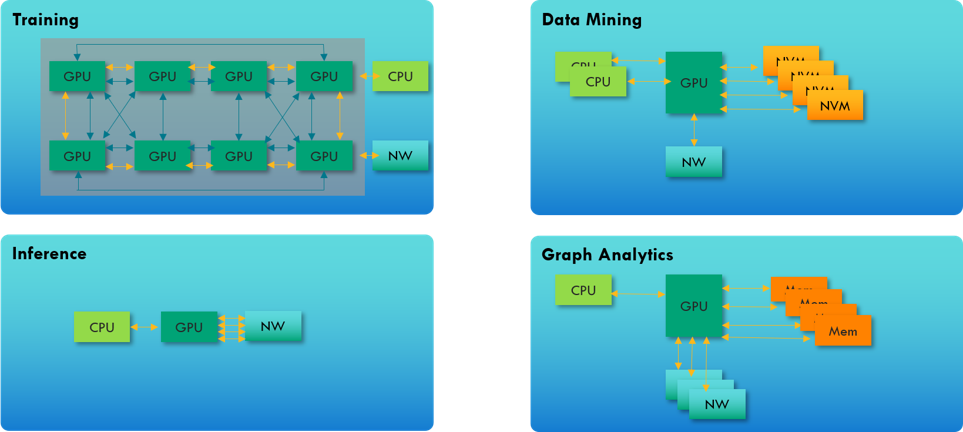
AI training and inference may run on much of the same underlying infrastructure, but they don’t behave the same way.
Training places heavy demands on memory and communication between accelerators. Inference has a different mix of requirements, including memory capacity, latency, throughput, and efficiency.
Those differences matter when choosing an architecture. A memory technology that’s right for one workload may not be right for another. The same applies to interconnects and networking.
This is why AI infrastructure is becoming more heterogeneous. Architects are combining different technologies based on what they need the system to do, rather than trying to force every workload into the same design.
Open standards give designers more options for how they put those systems together.
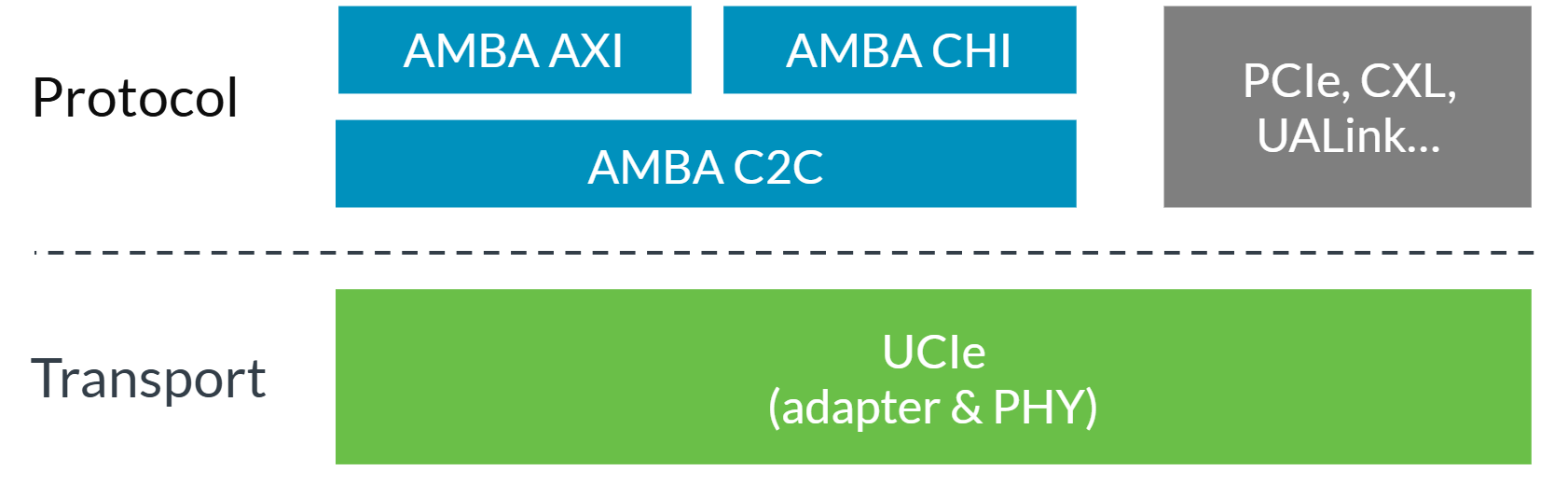
UCIe is one example. The standard provides a common approach to die-to-die connectivity and is aimed at supporting an open chiplet ecosystem. It gives the industry a standardized way to connect dies within a package rather than tying the architecture to a single implementation.
System architects are also working across a wider range of process technologies, packaging approaches, and functions. A chiplet-based approach provides another way to partition those functions, allowing compute, I/O, memory interfaces, and other functions to be integrated within the same package.
Source link