By the time a user hears your application respond, you've already spent precious milliseconds capturing audio, transcribing speech, running an LLM, retrieving context, and generating a response. Text-to-speech (TTS) is the final step — and the one users notice most. If speech generation is slow, the whole experience feels slow.
The more of that pipeline you can run and tune yourself, the more of the latency budget you get back.
Voice AI is moving fast. Integrated speech models offer simplicity — one API call, audio in, audio out — but they trade the ability to fine-tune each component for your domain, swap in better models as they ship, enforce data residency, and understand exactly where latency is coming from. For more control, a cascaded architecture — purpose-built ASR, TTS, and LLM components running together — keeps each layer independently tunable and deployable on infrastructure you own.
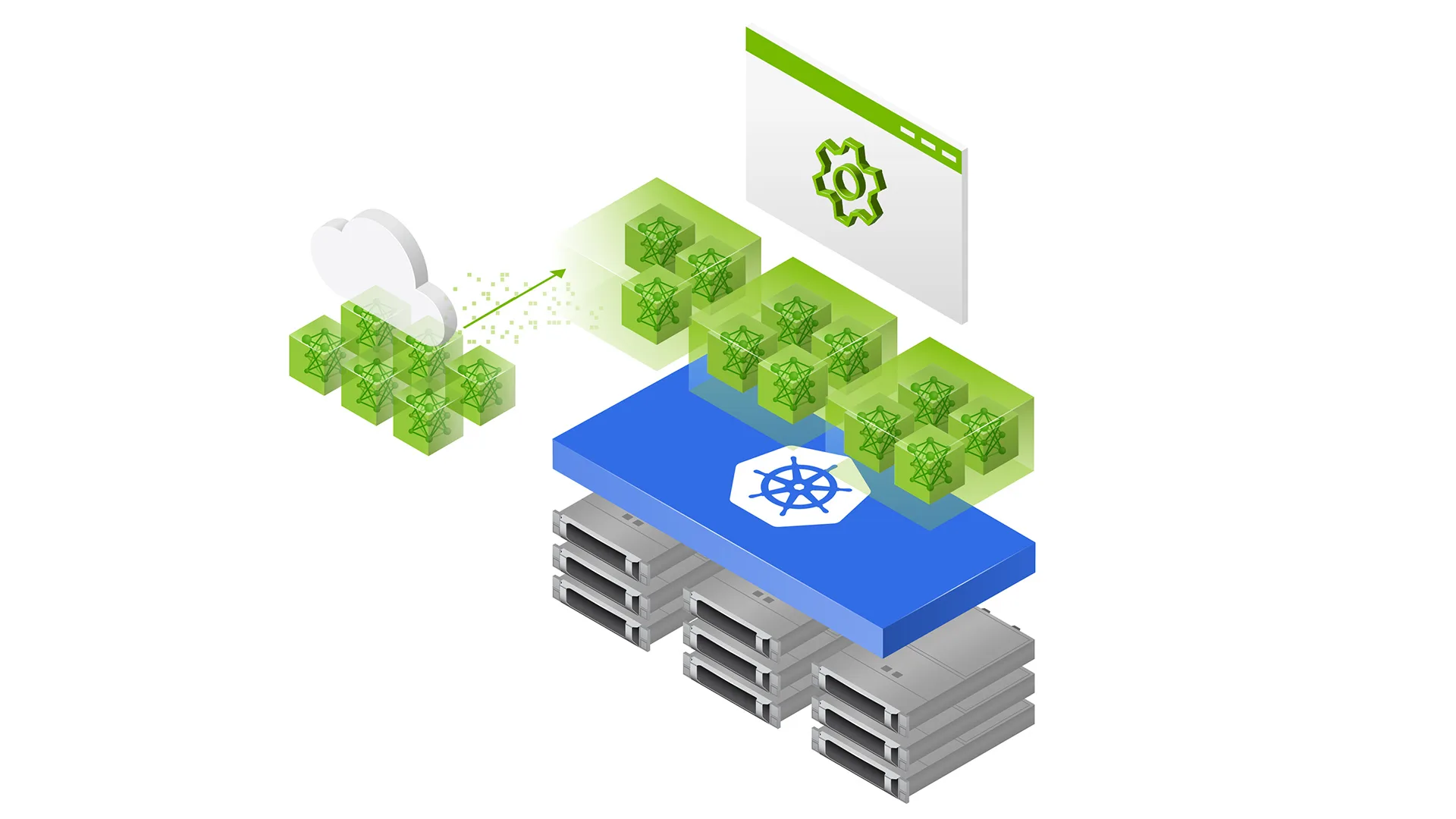
NVIDIA Magpie Multilingual TTS is built for that. With open weights, production-ready NVIDIA NIM, and support for 12 languages, you can deploy multilingual speech inside your own infrastructure, optimize latency for your workload, and customize the model for your domain — end to end, in your own environment.
The latest release expands multilingual coverage with Modern Standard Arabic, Korean, and Brazilian Portuguese, while improving quality across many existing languages through updated training data and model improvements.
Whether you're building customer support agents, healthcare assistants, enterprise copilots, translation systems, or conversational AI applications, Magpie provides an open foundation for production voice AI.
Global customer support, enterprise assistants, healthcare documentation, retail automation, and translation workflows increasingly require natural conversations across multiple languages — all while maintaining low latency.
Source link