Today’s Artificial intelligence has evolved far beyond simple chatbots that merely answer questions or generate text. Two major branches of autonomous AI now dominate engineering and enterprise roadmaps. AI agents and physical AI.
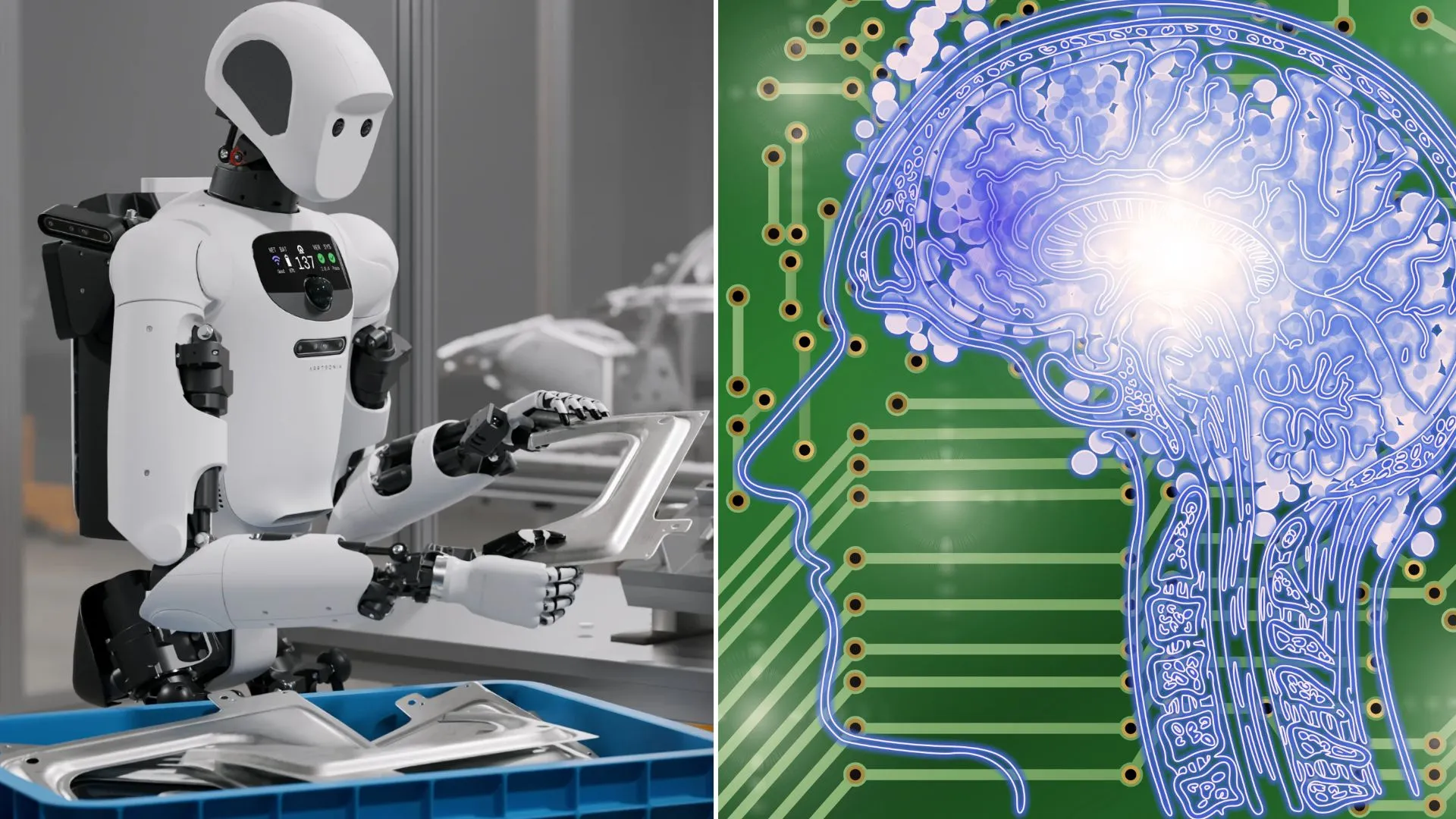
While both are built to pursue goals independently rather than waiting for step-by-step human prompts, they operate in fundamentally different environments. One moves bits across software networks, while the other moves atoms in the real world.
Understanding where AI agents end and physical AI begins is essential for engineers, developers, and businesses deciding how to automate digital workflows versus physical operations.
AI agents, often referred to as agentic AI, are autonomous software systems designed to plan, reason, and execute multi-step tasks inside digital environments. According to IMEC and enterprise software architectures, standard generative models simply respond to a prompt and leave the human user to act on the output.
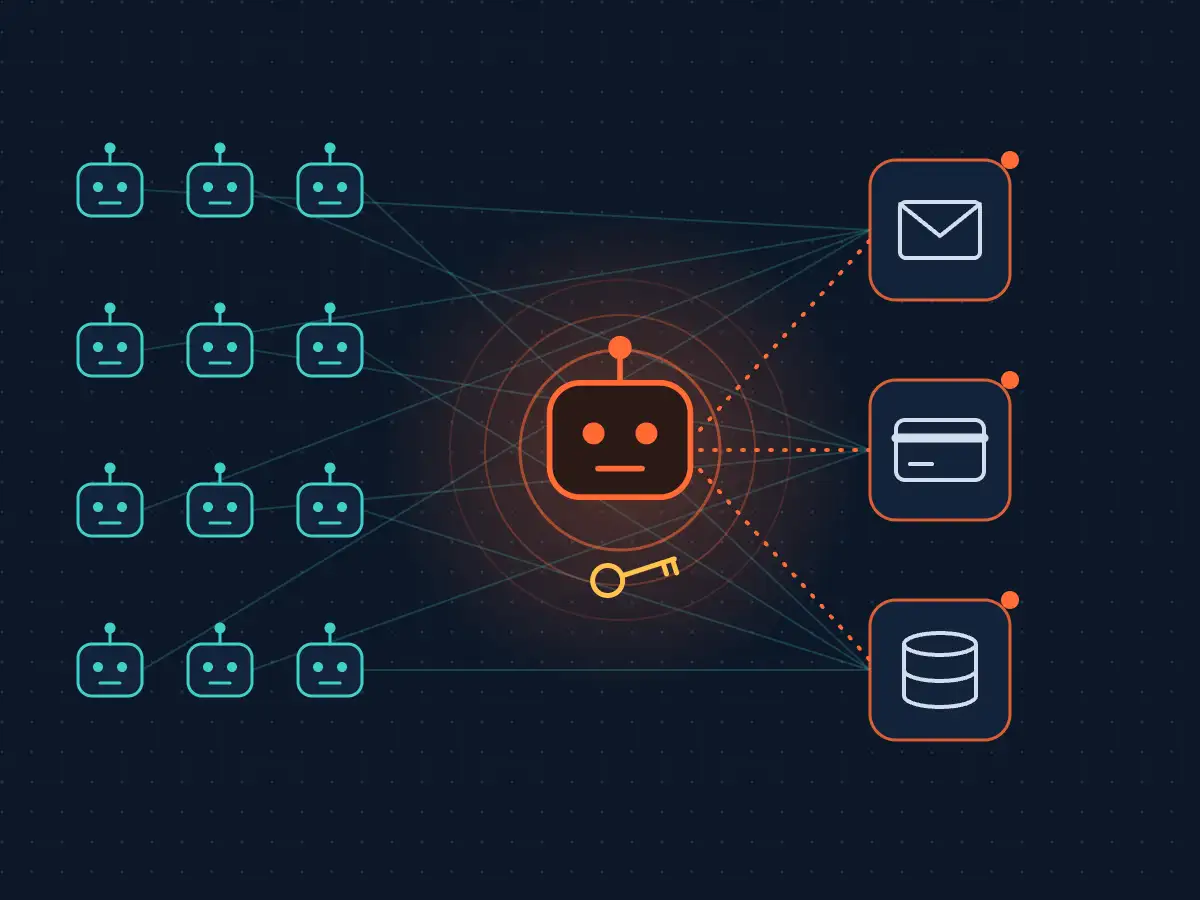
An AI agent takes an overarching objective, breaks it into logical subtasks, accesses external software tools or application programming interfaces (APIs), and carries out the workflow end to end. Under the hood, AI agents typically pair large language models (LLMs) or reasoning models with memory modules, orchestration frameworks, and standardized connectors such as the Model Context Protocol (MCP).
When tasked with resolving a supply-chain delay or debugging a software repository, an AI agent can query databases, write and test code, update enterprise resource planning (ERP) records, and send notifications without continuous human hand-holding. Its inputs are text, code, structured data, and digital signals; its outputs are API calls, file edits, and software transactions.
Source link