Wall Street is fighting over crypto-style stock trading as major companies reject tokenized shares and traditional exchanges challenge new derivatives markets.
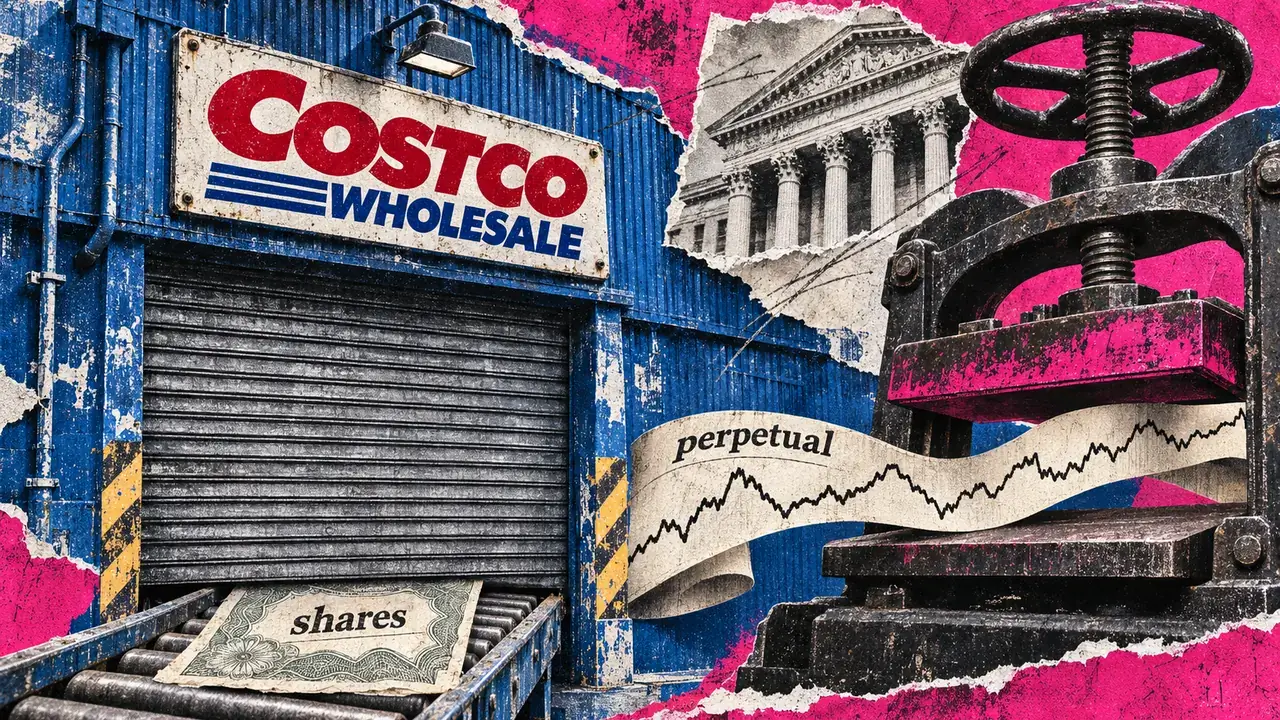
Costco recently made news when it strongly objected to a blockchain version of its shares. And while the supermarket giant did raise a set of pretty valid concerns regarding the potential risks of tokenization, the problem was that traders can actually already buy a blockchain-based contract (i.e., token) that follows its stock price.
The company is among 67 issuers in OKXICE's Nov. 5 objection notice, blocking third-party tokenized versions of their stock from the proposed venue backed by the New York Stock Exchange's owner.
Meanwhile, Kalshi lists a Costco perpetual, which offers price exposure without giving its buyer any shares.
The two products show how differently finance treats owning a company and trading its price: an issuer can stop its stock tokens from trading through one blockchain arrangement, while contracts tied to that stock follow a separate legal route.
That route is now being challenged in court, with established Wall Street firms competing to offer these contracts.
Shares give shareholders an interest in a business, along with the voting and distribution rights attached to the particular class of stock they own. Putting that interest on a blockchain can change how it's transferred while preserving what its owner is entitled to receive.
OKXICE's proposed model uses a tokenization provider acting through a registered broker-dealer to hold one underlying share for each token. Each token represents an entitlement to that share, and customers would trade them against dollar-linked stablecoins in automated asset pools.
Source link