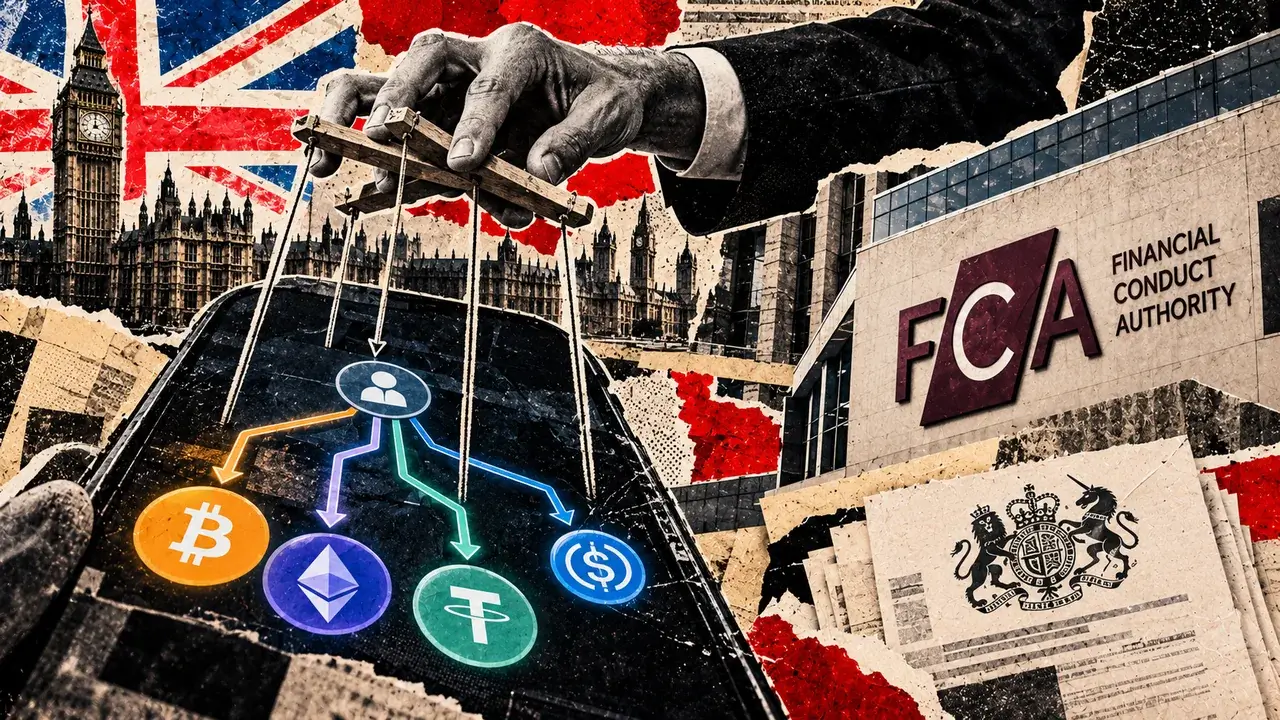
Britain's financial watchdog is scrutinizing automated trading decisions that could bring DeFi aggregators and other crypto interfaces under its 2027 licensing regime.
Britain's financial watchdog warned that crypto trading apps could need regulatory approval if their software decides customer transactions.
In draft guidance published Oct. 21, the Financial Conduct Authority (FCA) said applications that select trading venues or transaction routes based on assessments of price, liquidity, costs or execution speed may be arranging crypto deals, an activity requiring authorization under rules taking effect in October 2027.
The interpretation could bring decentralized finance (DeFi) aggregators and automated trading interfaces within the UK's licensing regime, potentially forcing operators to obtain regulatory permission or change how their software handles customer trades.
The proposal forms part of the FCA's efforts to define which crypto businesses qualify for exemptions from the new framework, scheduled to take effect on Oct. 25, 2027.
The FCA's consultation focuses on a technical-services exemption intended to protect software providers whose applications simply connect customers to third-party trading platforms or decentralized protocols.
Under the proposed interpretation, an interface that transmits customer instructions without influencing their execution may qualify for the exemption.
However, applications that evaluate competing liquidity sources, recommend trading venues, or determine how transactions are executed could be performing activities that require regulatory authorization.
That distinction matters for DeFi aggregators, which often compare prices and liquidity across decentralized exchanges to identify execution routes for customers.
The regulator identified several indicators of discretionary involvement, including modifying transaction instructions, determining execution timing and selecting routes based on counterparty risk or expected trading outcomes.
Source link