Japan’s overseas profits can stay overseas. A Bitcoin selloff needs more than an accounting surplus: watch actual money flows and leveraged positions.
Japan’s overseas profits can keep growing without the cash returning home. Bank of Japan Gov. Kazuo Ueda’s newly published International Monetary Fund lecture explains that distinction, complicating the case for treating Japan’s income surplus as an automatic source of yen buying and selling pressure on Bitcoin.
Ueda delivered the lecture on November 6, 2026, and the BOJ published it November 7. He described how substantial earnings from overseas affiliates stay invested abroad, sustaining Japan’s external income while adding to foreign direct investment.
CryptoSlate’s earlier coverage of Japanese foreign-debt selling examined how a shift toward domestic bonds could affect Bitcoin’s financing backdrop. The new lecture explains why overseas income alone cannot establish that shift.
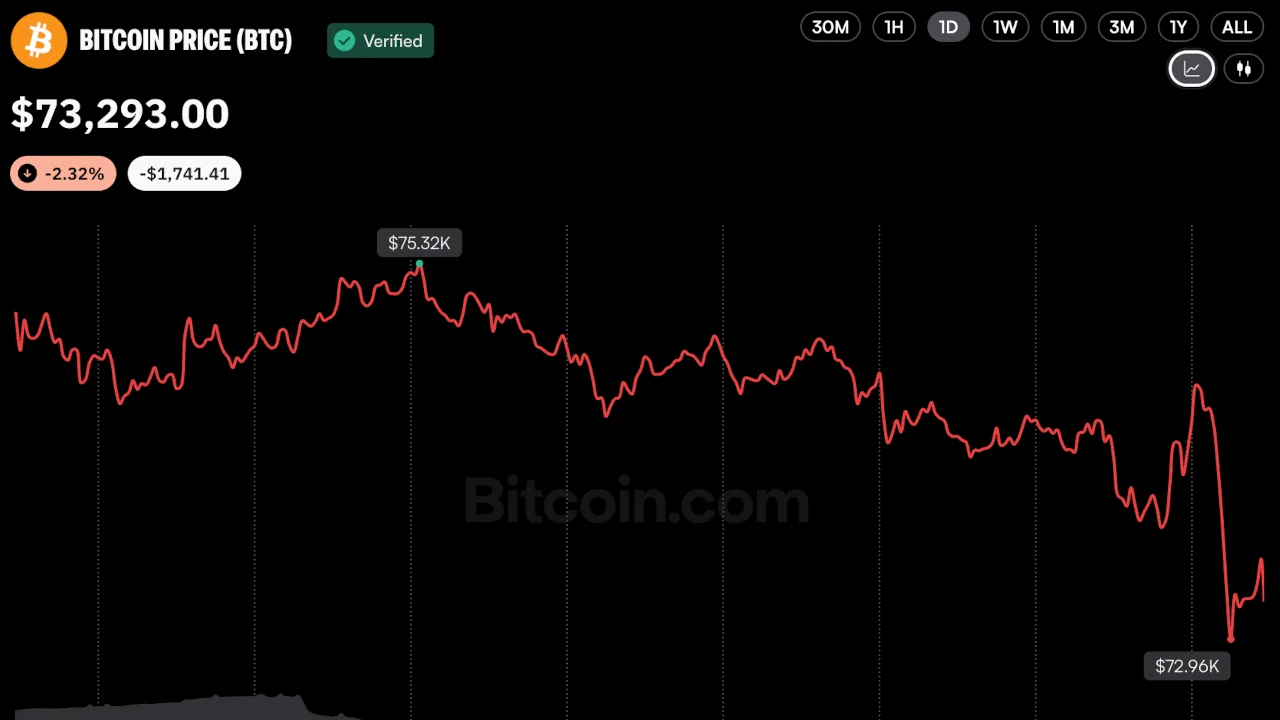
For Bitcoin, the implications depend on what investors actually do with their money. A gradual shift toward Japanese assets could affect financing conditions; a leveraged yen carry unwind could generate much faster selling across markets. Neither can be read directly from an income-surplus headline.
In the lecture, Ueda said outward foreign direct investment has overtaken portfolio investment as Japan’s dominant capital-outflow vehicle since 2012. Direct investment concerns ownership in overseas businesses; portfolio investment concerns securities holdings.
Retained affiliate profits help explain the difference. Earnings generated abroad contribute to Japan’s primary income surplus, while reinvesting those earnings abroad is recorded as fresh direct investment. The same accounting process can therefore enlarge both income and outward investment without requiring that cash first return to Japan.
Source link