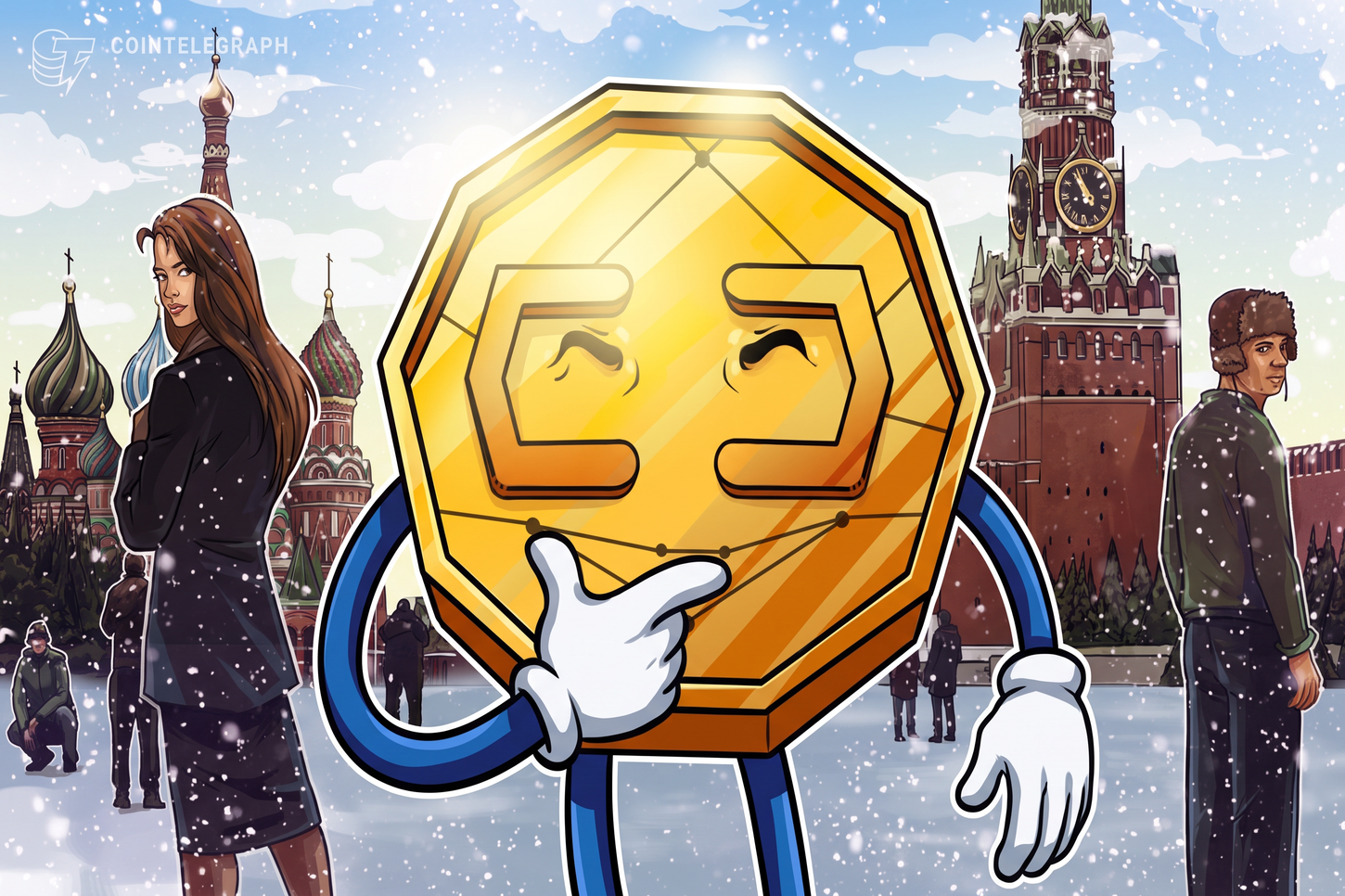
Russia’s crypto trading rollout faces uncertainty as companies weigh sanctions exposure, while Moscow Exchange prepares to launch crypto trading in December.
Russia’s push to bring cryptocurrency trading under government oversight is raising concerns that greater transparency could expose market participants to international sanctions.
Some companies are reluctant to join the Bank of Russia’s public registry of crypto exchangers because they fear becoming sanctions targets, a person familiar the regulatory discussions told Cointelegraph on Wednesday.
Industry representatives repeatedly asked the central bank to keep the registry private, but the regulator refused, arguing that crypto businesses should follow the same requirements as traditional financial service providers, the source said.
The concerns come as the European Union prepares its 22nd sanctions package against Russia, which is expected to include new restrictions on crypto platforms.
Russia’s new rules allowing retail investors to buy Bitcoin (BTC), Ether (ETH) and Tether’s USDt (USDT) took effect on Monday, and the central bank’s registry listed 30 authorized exchange operators as of Wednesday.
The list includes major lenders Sberbank and VTB, but registration alone does not establish whether customers can already complete transactions.
Alexander Nam of HSE University’s Center for Decentralized Finance and Digital Financial Assets Research said the market still faces technical and regulatory hurdles, including investor testing, order execution, settlement and custody.
“Being included in the registry does not in itself mean readiness to fully serve investors,” Nam told Cointelegraph.
Alexander Brazhnikov of the Russian Association of Cryptocurrency and Blockchain told Cointelegraph that he could not identify a registered operator offering confirmed retail access as of Monday.
Source link