Retail dollar stablecoins need Nigerian issuers, local licenses and token approval. Existing operators need express interim permission during the transition.
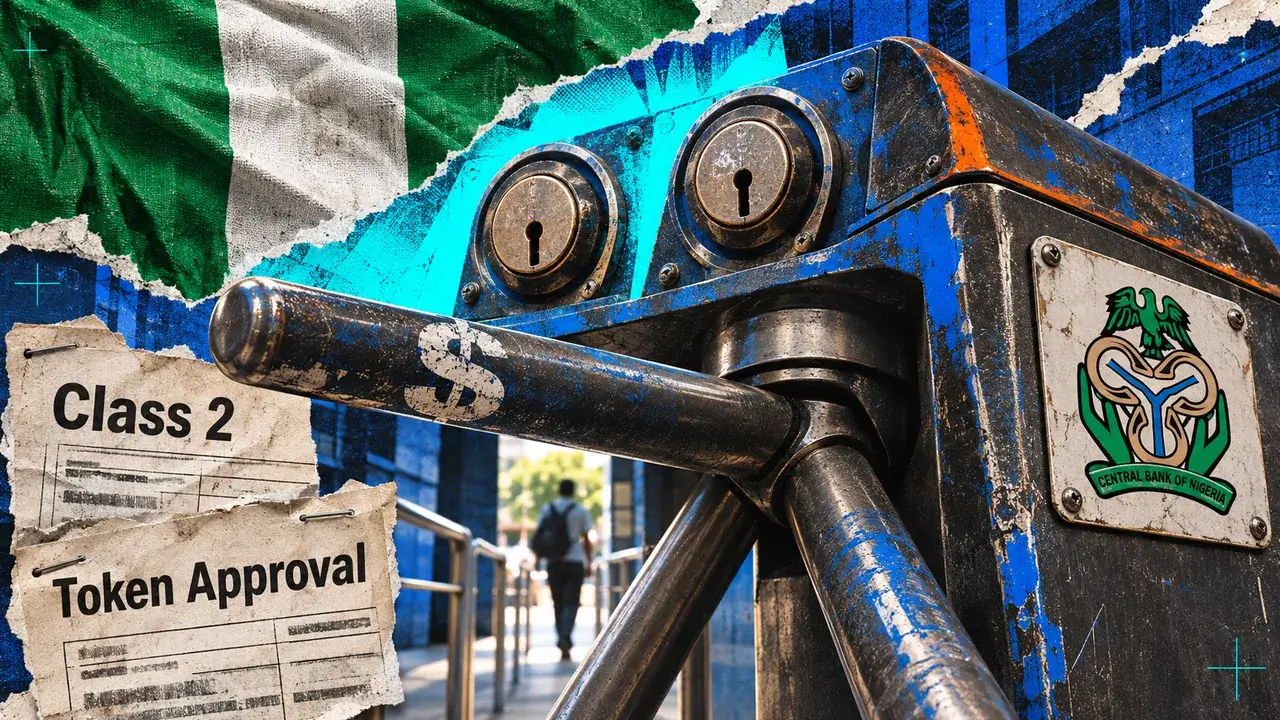
Nigeria’s central bank now requires dollar-pegged stablecoins offered to retail customers to be issued by locally incorporated, licensed entities and receive token approval. The rules took effect November 5, 2026, with a conditional 180-day application transition for existing operators. Continued access for foreign-currency stablecoin arrangements during assessment requires express permission from the Central Bank of Nigeria (CBN).
The CBN regulations classify foreign-currency stablecoins as Class 2. Section 6.5 requires a Nigerian-incorporated entity holding a Foreign Currency Issuer License (Class 2), alongside approval of the token itself.
A foreign license, regulatory status or agreement with a Nigerian intermediary cannot substitute for those approvals. The rules reach regulated activities directed at people in Nigeria even when the provider has no physical presence there.
Issuers and service providers face distinct approval requirements. Non-issuance service licenses or authorizations do not permit stablecoin issuance, while issuer applicants must establish a staffed Nigerian office and effective local management before final licensing, including a resident chief compliance officer.
The framework makes a narrow exception to local issuance. Section 11.10.17 allows the CBN to recognize a foreign-issued stablecoin solely for expressly approved wholesale cross-border settlement. That route excludes offerings to Nigerian retail customers, so it does not provide a substitute for the retail licensing requirements.
Approval also has limits on domestic use. Class 2 Token Approval does not authorize settling, pricing or discharging a naira-denominated domestic obligation unless applicable foreign-exchange or other law expressly permits it.
Source link